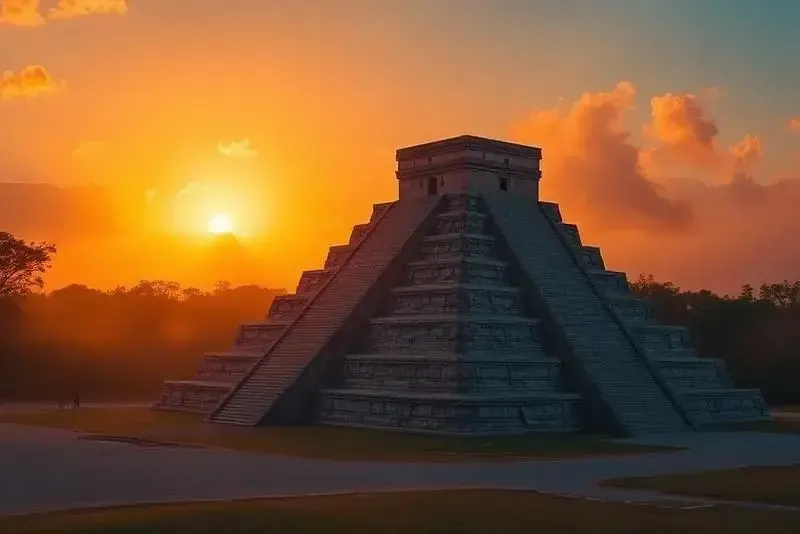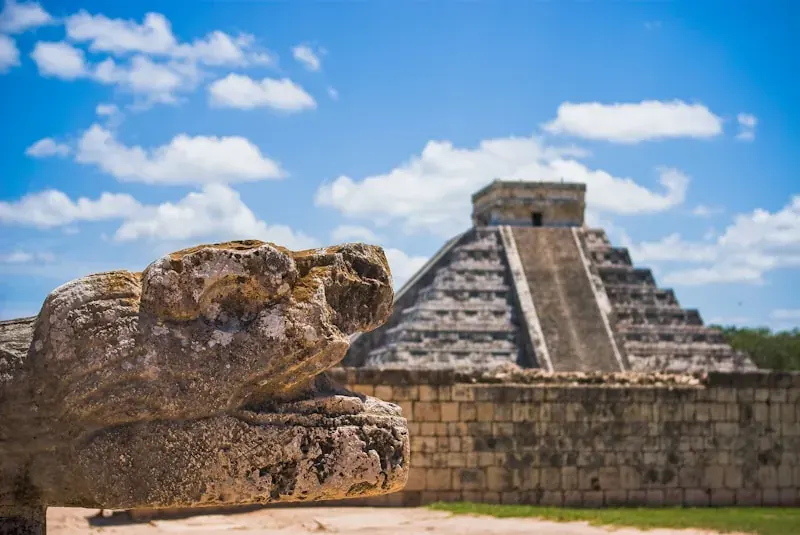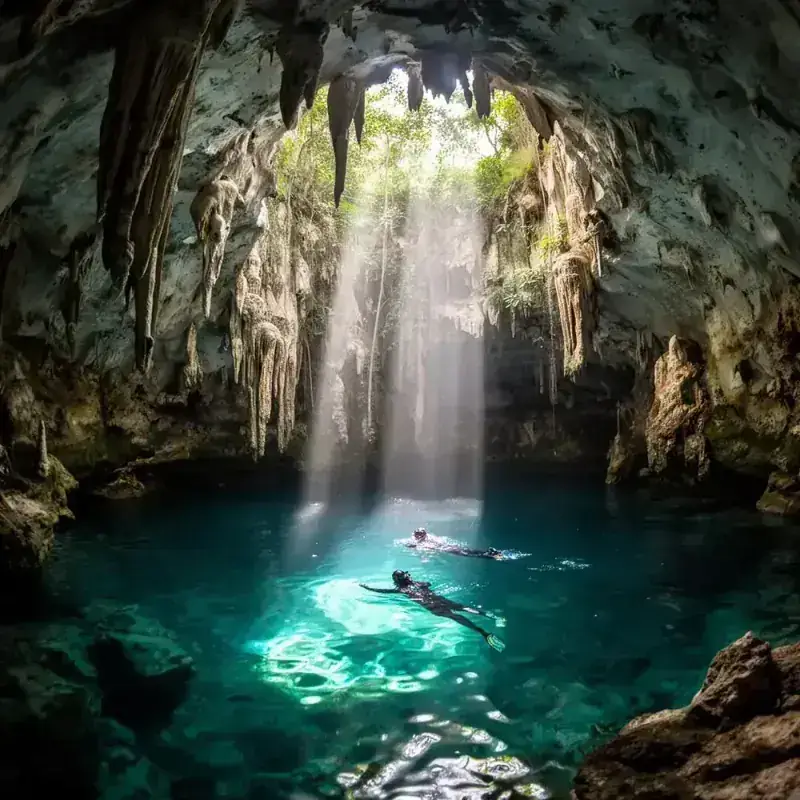
The Riviera Maya, the coastal strip from Cancun through Playa del Carmen to Tulum, sits directly above one of the world's largest freshwater cave networks. Where limestone collapses, cenotes appear: crystal-clear sinkholes fed by underground rivers at a constant ~25°C year-round. This guide compares the best cenotes in the Riviera Maya corridor for swimming, snorkeling, and day-trip routing from Cancun, Puerto Morelos, Playa del Carmen, Akumal, and Tulum. For a coast-plus-inland overview, start with the main cenotes guide; for peninsula-wide options beyond this corridor, use the best cenotes in Yucatan guide. For help choosing by swim style and departure base, use the Cenote Finder.
What Is a Cenote?
A cenote (from the Yucatec Maya word ts'onot) is a natural sinkhole formed when limestone bedrock collapses and exposes groundwater below. The Yucatan Peninsula has an estimated 6,000+ cenotes, but the ones most accessible from the Riviera Maya resort corridor fall into three practical types: open-air (dramatic vertical walls and vines), semi-open (partial cave ceiling with bright swimming zones), and cave cenotes (snorkel passages with stalactites).
Water clarity is the main draw, filtered through limestone, visibility often reaches 30-50 metres. Use our Cenote Finder tool to match a cenote to your priorities (swimming, photography, family access, or cave adventure). For safety basics before you swim, read the cenote safety guide.
Best Cenotes in the Riviera Maya, At a Glance
| Cenote / Area | Best For | Best Base | Route Notes |
|---|---|---|---|
| Gran Cenote | Easy snorkeling near Tulum | Tulum / Akumal | Pair with Dos Ojos or Calavera |
| Dos Ojos | Cave snorkeling and clear water | Tulum / Akumal / Playa del Carmen | Guide-led cave snorkel route |
| Calavera | Quick Tulum swim and photos | Tulum | Best as a short stop, not a full-day plan |
| Cenote Azul / Cristalino / Jardin del Eden | Open-air swims and mixed-age groups | Playa del Carmen / Puerto Aventuras | Easy cenote stops south of Playa |
| Casa Cenote | Open-water snorkeling and mangrove scenery | Tulum / Akumal | Good contrast with cave cenotes |
| Ruta de los Cenotes | Cancun and Puerto Morelos cenote day | Cancun / Puerto Morelos | Best corridor option without driving to Tulum |
| Kantun Chi | Multiple cenotes in one park-style stop | Playa del Carmen / Akumal | Useful when groups want facilities and variety |
Entry fees and schedules change seasonally; arrive with pesos when possible. Early arrival is the single biggest crowd-control strategy on the Riviera Maya corridor.
Gran Cenote (Tulum), Best for Snorkeling
Gran Cenote sits 4-5 km west of Tulum town, one of the closest high-quality swims to the hotel zone. It is partially open and partially cave: two pools connected by an underwater passage, with stalactites, turtles in the shallows, and visibility that makes it a favourite for first-time cenote snorkelers.
Entry (2026): approximately 500 MXN. Hours: typically 8:00 AM - 4:45 PM. Time needed: 1-1.5 hours. Best for: families, snorkel beginners, travelers based in Tulum or south Playa del Carmen.
Mid-morning is the busiest window. On a private route, your operator sequences Gran Cenote before 9:30 AM or after 3:00 PM. For a deeper Tulum-radius breakdown, Calavera, Casa Cenote, crowd patterns, see the best cenotes near Tulum guide.
Book a private Tulum cenote adventure with morning-first timing
Cenote Dos Ojos: Best Cave System
Dos Ojos ("Two Eyes") is ~22 km north of Tulum, part of Sistema Sac Actun, one of the longest flooded cave systems on Earth. Two adjacent pools connect through a guided snorkel passage with extraordinary limestone formations. This is the Riviera Maya's signature cave experience: darker chambers, brighter open pools, and water clarity that rewards slow movement.
Entry (2026): approximately 500 MXN for a snorkel tour; diving permits are separate. Hours: typically 8:00 AM - 5:00 PM. Time needed: 1.5-2 hours with guided cave snorkel. Best for: confident swimmers, adventure travelers, photographers who want cave drama without full cave diving certification.
Independent visitors can reach the site, but the cave snorkel route is guide-led for safety. Pair Dos Ojos with Gran Cenote on the same Tulum cenote day when timing is tight. See the Cenote Dos Ojos destination guide for access notes and tour pairings.
Book a cenote tour from Playa del Carmen if you are staying mid-corridor rather than in Tulum.
More Riviera Maya Corridor Cenotes to Consider
Calavera is a compact Tulum-area cenote that works well as a short swim or photo stop when you are staying in town. It is better as part of a two-cenote morning than as a full-day destination.
Cenote Azul, Cristalino, and Jardin del Eden sit in the Playa del Carmen and Puerto Aventuras corridor. They are practical for open-air swimming, mixed-age groups, and travelers who do not want the longer transfer to Tulum's cave systems.
Casa Cenote near Tankah offers a different style of Riviera Maya swim: open water, mangrove edges, and snorkeling rather than enclosed cave chambers. It pairs naturally with Tulum or Akumal plans.
Ruta de los Cenotes near Puerto Morelos is the most practical cenote area for many Cancun travelers because it keeps the day focused on the coast instead of turning it into a Chichen Itza or Valladolid route. Use the Cancun cenote snorkel tour or private cenote tour from Cancun when your base is north of Playa del Carmen.
Kantun Chi fits travelers who want several cenote styles in one managed stop with facilities. It is especially useful from Playa del Carmen, Puerto Aventuras, and Akumal.
Riviera Maya Travelers Visiting Chichen Itza
Ik Kil, Suytun, Hubiku, and Xkeken/Samula are inland cenotes that fit a Chichen Itza or Valladolid day trip. They can be excellent stops, but they are not the core Riviera Maya corridor choices for a beach-base cenote day.
If your plan is ruins plus a swim, use the cenotes near Chichen Itza guide for Ik Kil, Suytun, Oxman, Hubiku, and nearby alternatives. For a peninsula-wide comparison across inland and coastal routes, use the best cenotes in Yucatan guide.
A Chichen Itza and cenote tour is still a good secondary option from Cancun or the Riviera Maya when archaeology is the main goal. If the swim itself is the priority, stay with Ruta de los Cenotes, Playa del Carmen, Akumal, or Tulum-area cenotes.
Practical Rules for Riviera Maya Cenotes (2026)
- Biodegradable sunscreen only, chemical sunscreen is prohibited at most cenotes to protect the aquifer. Rinse before entry when showers are available.
- Life jackets are available at many open cenotes and may be required at cave or guided-snorkel sites regardless of swimming confidence.
- Footwear: water shoes help on limestone stairs and rocky entries; flip-flops are workable at platform cenotes but slippery on wet rock.
- Cash in MXN speeds entry at smaller ticket windows; card acceptance varies.
- Photography: drones are restricted at most sites, and cave or platform areas may have specific photo rules, follow posted guidance.
For a full safety breakdown, depth changes, currents in cave sections, and when a guided tour is the better call, use the cenote safety guide. Compare more routes in our main cenotes guide.
How to Visit Cenotes from Cancun and the Riviera Maya
Most travelers reach cenotes on a structured day trip rather than renting a car. Routing depends on your base:
- From Cancun: Puerto Morelos and Ruta de los Cenotes usually keep the day most efficient; Tulum-area cenotes such as Dos Ojos and Gran Cenote are longer but still possible with an early start. See tours from Cancun, the Cancun cenote snorkel tour, and the private cenote tour from Cancun.
- From Playa del Carmen: Tulum-area cenotes (Gran Cenote, Dos Ojos) are 45-60 minutes south. The Playa del Carmen cenote tour covers the most efficient southbound routing. Browse tours from Playa del Carmen.
- From Tulum: Gran Cenote, Calavera, Casa Cenote, and Dos Ojos are the closest high-value choices. See tours from Tulum and the Tulum cenote adventure.
Many travelers book a private transfer to the Riviera Maya from Cancun Airport on arrival, then stack cenote days once they know their base. For maximum flexibility, choosing Ruta de los Cenotes from Cancun, sequencing Dos Ojos before crowds, or pairing Gran Cenote with a second Tulum-area swim, a private cenote tour from Cancun lets you set the route rather than follow a fixed shared schedule.
The Riviera Maya corridor has the highest density of swimmable cenotes in Mexico, but the difference between a rushed midday stop and a well-timed private day is significant. Pick your base, choose two cenotes maximum per day, and arrive early.