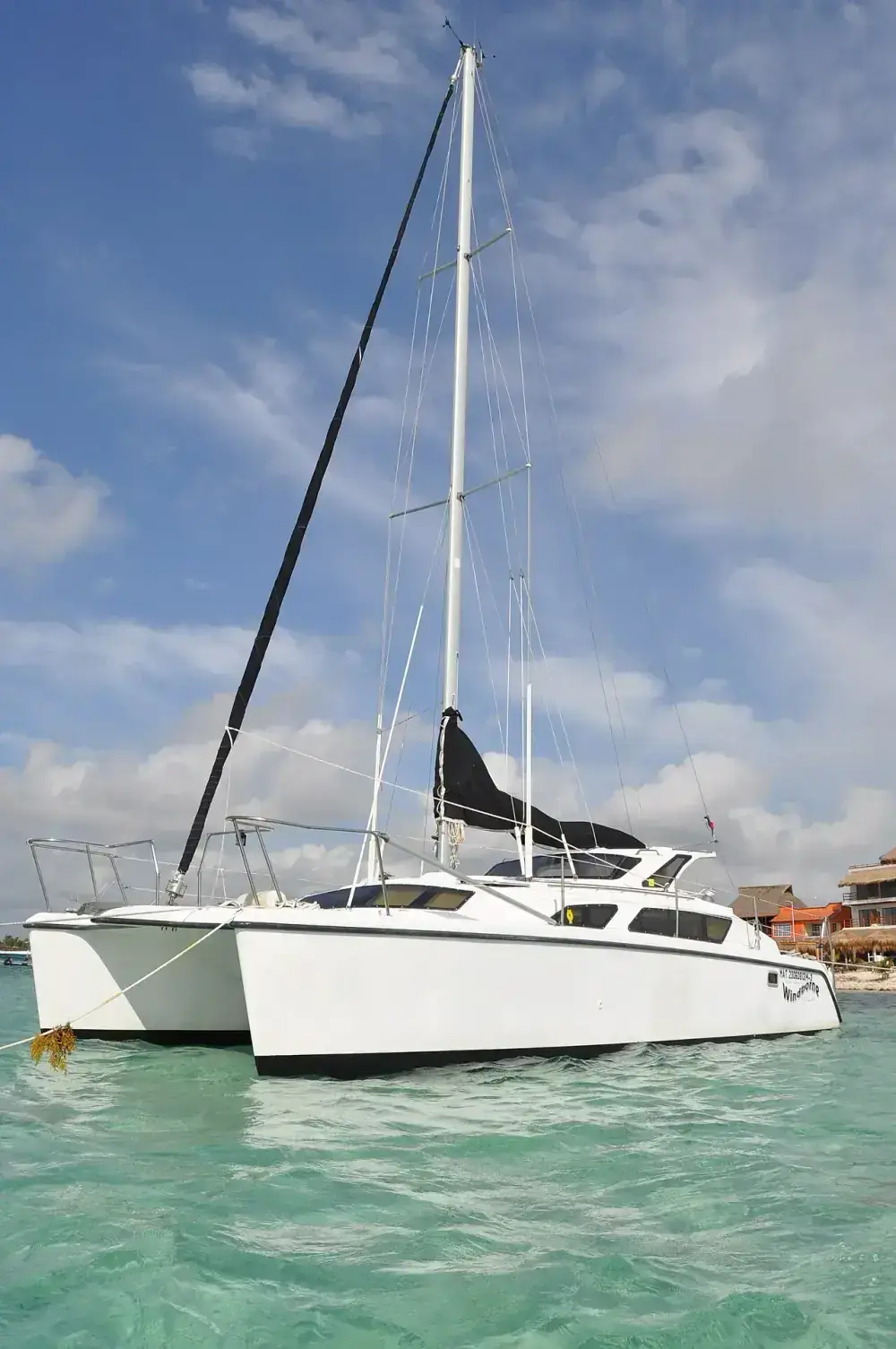
Cozumel: Caribbean Island & Coral Reef
Cozumel is a 30-mile-long Caribbean island 19 km off the coast of Playa del Carmen — accessible by ferry in 45 minutes and often visited as a day trip, though it rewards longer stays. The island sits on the Mesoamerican Barrier Reef, the second-largest coral reef system in the world, which makes it one of the top snorkeling and diving destinations in the Caribbean. Palancar Reef, off the island's southwest coast, offers visibility that regularly exceeds 30 meters and encounters with sea turtles, eagle rays, nurse sharks, and barracuda.
Beyond the reef, Cozumel has San Gervasio — the only Maya ruins on the island, a pilgrimage site dedicated to Ixchel — and the El Cielo starfish sandbar, where cushion starfish cluster in knee-deep clear water. The island moves at a slower pace than the mainland: personal vehicles are restricted (taxis and rental scooters only), the downtown waterfront is walkable, and the east coast road through the natural park is one of the more scenic drives in the Caribbean.
A private Cozumel day trip from Playa del Carmen covers the reef, El Cielo, and transport with flexible pacing. From Cancun, a private catamaran handles the crossing and snorkeling in a single package.
For excursion planning, see the Cozumel excursions guide and the broader island day trips comparison.
Quick Facts: Cozumel
| Island Size | 30 miles long × 9 miles wide — Mexico's largest Caribbean island |
| Distance from Playa del Carmen | 19 km — 45-minute ferry (~240 MXN / ~$13 USD each way) |
| Distance from Cancun | ~80 km — ferry via Playa or private catamaran day trip |
| Reef System | Mesoamerican Barrier Reef — second-largest in the world |
| Diving Visibility | 25–35 meters — among the best in the Caribbean |
| Water Temperature | ~27°C (81°F) year-round |
| Ferry Schedule | Roughly every hour from Playa del Carmen pier |
| Cruise Traffic | Up to 3,000 passengers/day at peak — plan reef time before 11 AM |
| Best Diving Season | November–April (dry season, best visibility) |
| Maya Ruins on Island | San Gervasio — dedicated to Ixchel, goddess of fertility |
Palancar Reef: World-Class Snorkeling and Diving
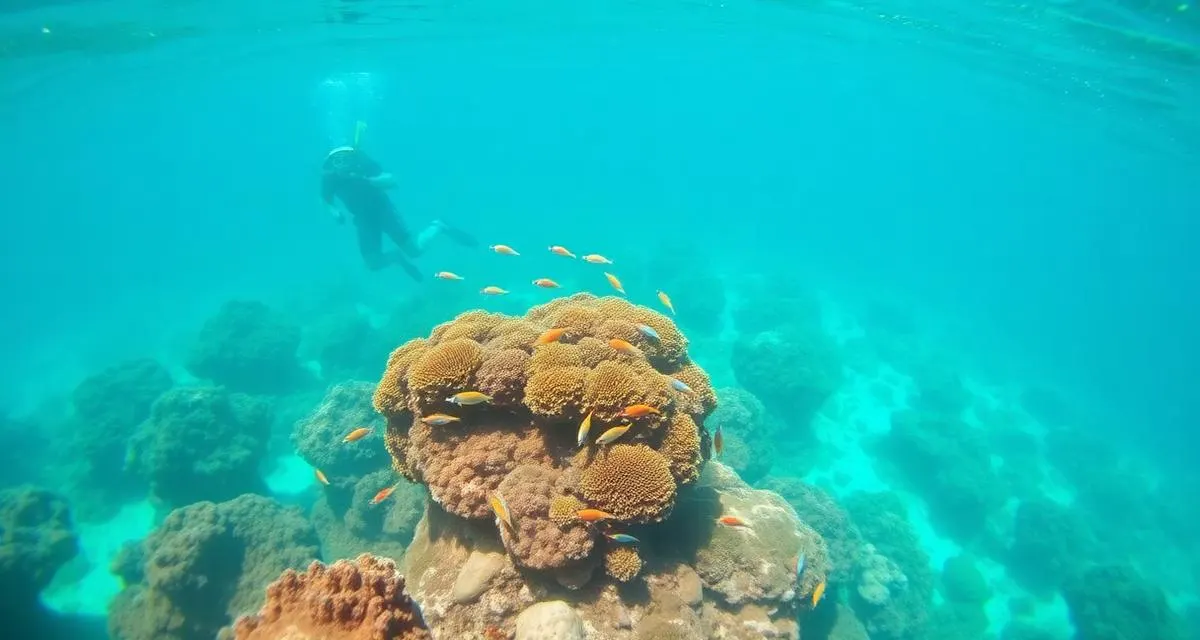
Palancar Reef is the main draw — coral pinnacles, tunnels, and walls at depths from 5 to 40+ meters, with visibility regularly reaching 25–35 meters. The reef is part of the Mesoamerican Barrier Reef, which runs 1,000 km from Mexico to Honduras — the second-longest reef system in the world after the Great Barrier Reef. Cozumel's position on the reef's northwestern edge, combined with consistent Caribbean currents, makes it one of the premier drift-diving locations in the world.
Snorkeling is excellent in the reef's shallower sections — sea turtles are commonly encountered at 3–8 meter depths, and the coral density and fish life are visible from the surface. Visibility makes even surface snorkeling more rewarding than most Caribbean destinations. Catamaran tours run from the main pier and include guide, equipment, and life jackets. Book an early departure — catamaran crowds peak mid-morning as cruise ship passengers join day tours, and reef conditions are best before 11 AM.
For certified divers, Cozumel is consistently ranked among the top 10 dive destinations in the world. Two-tank dives cost approximately $80–$110 USD from San Miguel dive operators. PADI dive courses are available for those seeking certification on the island.
El Cielo, San Gervasio & the East Coast
El Cielo ("The Sky") is a shallow sandbar in a protected bay where large cushion starfish cluster in crystal-clear knee-deep water. Boats anchor and passengers wade — no swimming experience required. El Cielo starfish are protected: touching or holding them is prohibited and guides enforce the rule. Almost every catamaran and day tour includes El Cielo as a stop after the reef.
San Gervasio is the only Maya archaeological site on Cozumel — a sanctuary dedicated to Ixchel, the Maya goddess of fertility and the moon. It was a major pilgrimage center: Maya women from across the Yucatan Peninsula traveled to Cozumel by canoe to make offerings at Ixchel's temple. The site is smaller than mainland ruins like Chichen Itza or Ek Balam but historically significant as one of the most important pilgrimage destinations in the pre-Columbian Caribbean.
For larger mainland ruins planning, see Mayan ruins in Yucatan and the Ek Balam day trip from the Riviera Maya corridor.
The east coast road runs through Cozumel's natural park along the windward side of the island — rougher surf, dramatic coastline, and far fewer visitors than the western resort strip. Playa Chen Rio is the most swimmable east-coast beach, with natural rock formations and a palapa restaurant open for lunch. Renting a scooter (~$35/day) or golf cart (~$55/day) from downtown San Miguel is the most practical way to cover the east coast independently.
How to Get to Cozumel from Cancun or Playa del Carmen
From Playa del Carmen, the passenger ferry runs roughly every hour from the town-center pier — 45 minutes, approximately 240 MXN (~$13 USD) each way. No advance booking is needed except on busy cruise days. The Playa del Carmen pier is a 5-minute walk from 5th Avenue. Playa del Carmen is the most practical mainland base for Cozumel visits.
From Cancun, the most common route is a bus or shared van to Playa del Carmen (1 hour), then the Cozumel ferry — total travel time approximately 2 to 2.5 hours each way. A private catamaran day trip from Cancun handles all logistics including the crossing, a reef snorkel stop, El Cielo, and return — but does not include time on shore in San Miguel. Browse Cancun departure options for the full range.
Cozumel International Airport (CZM) has direct connections from some US cities via American and United — a practical option for travelers who want to base themselves on the island rather than use it as a day trip.
Practical Tips for Visiting Cozumel
- Book reef tours for early morning — catamaran crowds peak mid-morning as cruise ship passengers (up to 3,000/day at peak) join day tours. Early departures get cleaner conditions and fewer boats on the reef.
- Rent a scooter or golf cart — the most practical way to reach east-coast beaches, San Gervasio ruins, and Punta Sur without joining a group tour. International driver's license required at most rental shops. Scooters ~$35/day, golf carts ~$55/day.
- Do not touch El Cielo starfish — touching or holding them is prohibited. Guides enforce this and violations can result in fines.
- Downtown restaurants near Avenida 5 are better value — the waterfront strip near the main pier has good options but the streets one block inland have better local food at lower prices.
- Bring USD or pesos — most tourist businesses accept USD at roughly 17:1 exchange, but local spots only take pesos. ATMs are available in downtown San Miguel.
- Overnight stays are quieter — cruise passengers leave in the late afternoon, and the island's character changes completely once the day-trippers are gone. Two nights gives a much fuller picture of Cozumel.
Key Takeaways
- Cozumel sits on the Mesoamerican Barrier Reef — second-largest in the world. Palancar Reef offers 25–35m visibility year-round.
- Top activities: reef snorkeling and diving, El Cielo starfish sandbar, San Gervasio Maya ruins, east coast road, downtown San Miguel.
- El Cielo starfish are protected — no touching permitted. Guides enforce the rule.
- Ferry from Playa del Carmen: 45 minutes, every hour, ~240 MXN each way. From Cancun: 2–2.5 hours via Playa, or private catamaran day trip.
- Book reef tours early — cruise traffic peaks mid-morning. Best reef conditions before 11 AM.
- Best diving season: November–April. Water temperature 27°C year-round.
- See the Private Cozumel Day Trip for reef-focused private options from Playa del Carmen.
- Compare the shared Cozumel snorkeling tour when you want a fixed reef itinerary with ferry coordination included.
- Read the Cozumel excursions guide for snorkeling, ruins, and shore-excursion planning.
- Cruise passengers should start with Cozumel cruise port excursions for pier timing and same-day options.
- Compare Isla Mujeres vs Cozumel vs Holbox when choosing your island day from Cancun.
- Browse tours from Cancun or stay in Playa del Carmen as the best mainland base.
Helpful Next Steps for Cozumel
Choose the next step that matches how you want to experience Cozumel, from a private guided tour to nearby stops or the wider area.
Compare Island Day Trips
Compare Cozumel with Isla Mujeres and Holbox before choosing your island day.
View detailsCozumel Island Guide
Cozumel-specific planning for snorkeling, ferry logistics, beaches, and day-trip fit.
View detailsPrivate Cozumel Day Trip
Reef-focused private island route from Playa del Carmen with flexible pacing.
View detailsCozumel Snorkeling Tour
Snorkeling-first Cozumel booking route for travelers prioritizing reef time.
View detailsPrivate Catamaran Cozumel
Private Cozumel catamaran charter for Palancar Reef, El Cielo, and flexible water time.
View detailsCozumel Cruise Excursions
Pier-aware Cozumel planning for cruise travelers with all-aboard timing constraints.
View details