Shared Holbox day trip
Choose this when you want ferry logistics, golf cart touring, flamingo viewing, and lunch at a value price on a fixed schedule.
View Isla Holbox day trip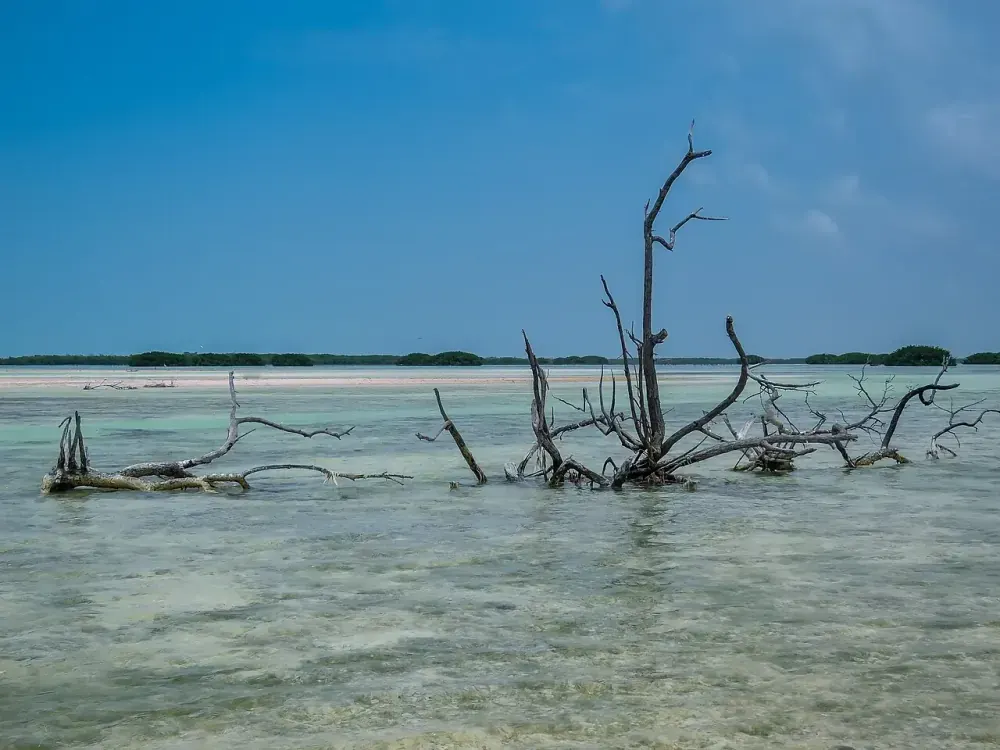
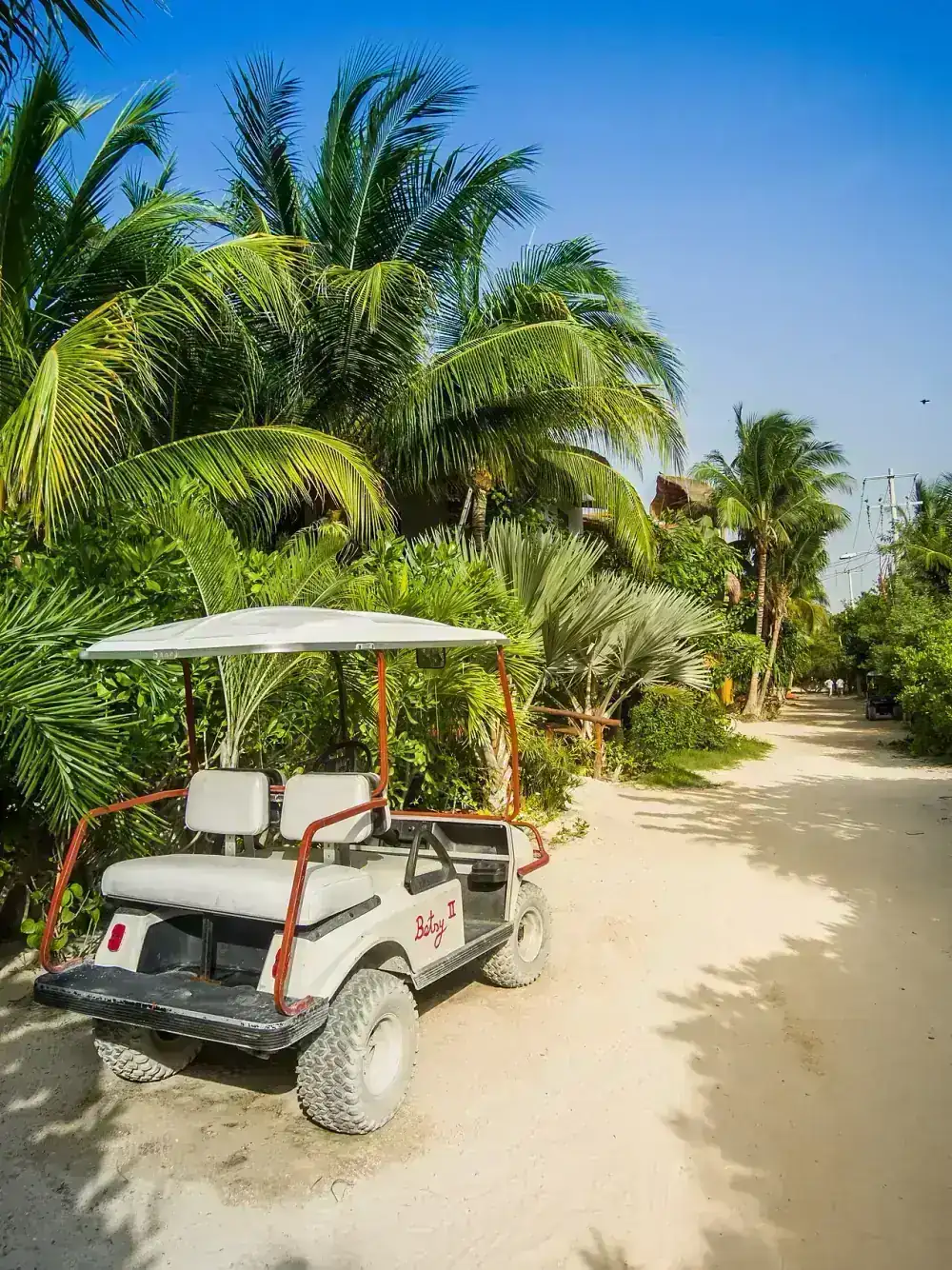
Isla Holbox is a car-free island off the northern tip of the Yucatan Peninsula where the Gulf of Mexico meets the Caribbean Sea. The name comes from the Yucatec Maya for "black hole" — a reference to a dark-water cenote on the island — and the landscape lives up to that sense of depth and natural surprise. Sandy streets, golf carts instead of cars, and a bohemian atmosphere give Holbox a pace that feels deliberately removed from the resort infrastructure of the Riviera Maya coast.
The island sits on a shallow lagoon separated from the Yucatan mainland by a narrow channel. This channel — the Yucatan Channel — is where nutrient-rich currents from the Gulf and Caribbean mix, producing conditions that attract some of the world's largest marine wildlife concentrations. The whale shark aggregation that forms north of Holbox each summer is the biggest known gathering of whale sharks on earth. See the Isla Holbox Tour or the Private Holbox Tour for guided options with hotel transport.
Compare Holbox vs Isla Mujeres vs Cozumel before you commit to the long transfer from Cancun.
Technically, Holbox is a peninsula rather than a true island — it connects to the mainland at its eastern end, though the ferry from Chiquilá is the only practical way to arrive. Cars stay behind in Chiquilá's paid parking. Everything on the island moves at golf cart speed or slower.
| Location | Quintana Roo, Mexico — northern Yucatan coast |
| Access | Ferry from Chiquilá — 30 minutes, ~$7 USD |
| Distance from Cancun to Chiquilá | 170 km — approx. 2–2.5 hours |
| Island Type | Car-free — golf carts, bicycles, walking only |
| Whale Shark Season | June to September |
| Best Time to Visit | November to May (dry season) |
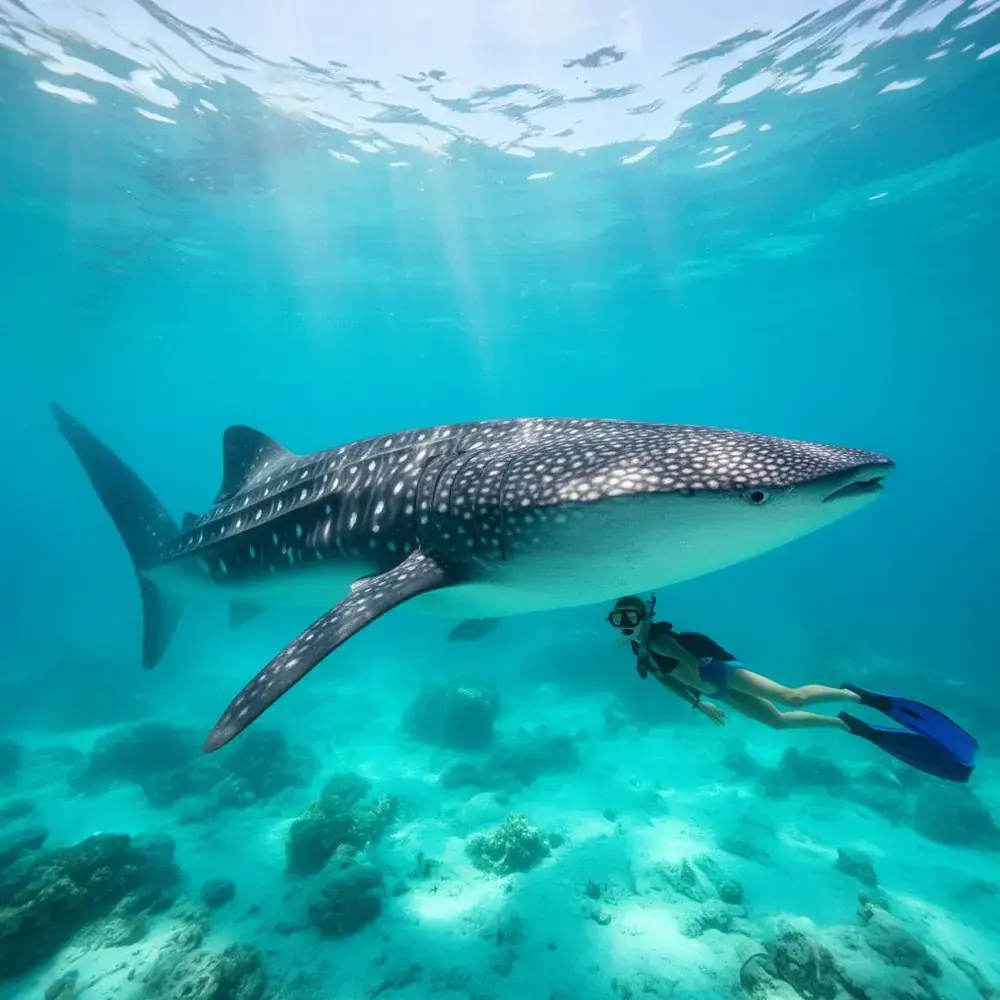
Between late May and mid-September, whale sharks gather in the open water north of Holbox — an area called Afuera — to feed on fish egg clouds produced by the spawning of little tunny and other species. This aggregation is the largest known concentration of whale sharks on earth, and Holbox is one of the few places where you can snorkel alongside them in open water rather than an aquarium or protected bay.
Tours depart from the Holbox pier at approximately 6–7 AM and reach the feeding area in 45 to 90 minutes depending on where the sharks are concentrated on a given day. Mexican environmental regulations limit snorkelers to six people per shark at any time; life jackets are required, and no touching is permitted. The peak of the aggregation is June and July; August and September remain productive but see fewer sharks as the season winds down. Full tours run approximately 6–7 hours including transit time.
View Whale Shark Tour options or see the nature tours guide for regulated whale shark season planning from Cancun and Holbox.
Punta Mosquito is a sandbar at the eastern end of the island where shallow lagoon water creates ideal feeding conditions for Caribbean flamingos. Hundreds of flamingos congregate here year-round — pink against the pale water and white sand, most visible at sunrise and sunset when they feed actively. Accessible by golf cart (approximately 15 minutes from the village centre on sand tracks) or by kayak from the main beach.
The same geography that attracts flamingos also produces the conditions for bioluminescent plankton at night. Punta Mosquito is one of the best launch points for the nighttime kayak tours that illuminate the plankton; the shallow, sheltered water concentrates the organisms and minimises the wind that otherwise disperses them in open water.
Holbox's shallow lagoon contains naturally occurring bioluminescent dinoflagellates — single-celled organisms that produce a blue-green light when disturbed by movement. Night kayak tours run from June to October, when plankton concentration peaks. The effect is a flash of cold blue light around every paddle stroke and hand movement in the water, visible only on dark nights with minimal moonlight. Full moon weeks produce far less visible bioluminescence — check lunar calendars when booking for the strongest effect.
Holbox also has Yalahau, a freshwater spring accessible by a 15-minute boat ride from the village. A natural pool where underground freshwater bubbles up through the lagoon floor into the surrounding saltwater, Yalahau functions like a cenote in an open marine setting — clear and cold, a sharp contrast to the warm lagoon surrounding it. Most day tours from the village can arrange a Yalahau stop.
November to May is the dry season — calmer seas, lower humidity, and reliable sunshine. December through March is peak tourist season; accommodation fills quickly around Christmas and Semana Santa (Easter), so book 2–3 months ahead for these periods. The island gets busy in holiday weeks but retains a slower pace than the Riviera Maya coast even at capacity.
June to September is whale shark season — the primary reason many travellers choose this specific window despite the heat and occasional rain. September and October carry the highest hurricane risk for island travel; ferries are suspended during severe weather warnings. Low season in October and early November is quieter and cheaper, but ferry cancellations are possible.
Drive or take a shuttle from Cancun to the port of Chiquilá — 170 km north of Cancun, approximately 2–2.5 hours by car. ADO buses from Cancun to Chiquilá run several times daily. Cars must be left in paid parking at the Chiquilá pier (approximately $8–10 USD per day). From Chiquilá, the ferry to Holbox takes 30 minutes and costs approximately $7 USD each way. Ferries run throughout the day.
On the island, golf cart rental is approximately $40–60 USD per day (a valid driver's licence is required; most shops require the original document, not a phone photo). Bicycles are available for $10–15 USD per day. The village centre and main beach are walkable; Punta Mosquito is the one destination that genuinely benefits from a golf cart or kayak.
Most Holbox visitors choose between a shared value day trip and a private flexible tour on the longer route from Cancun. Compare the two tour options before you book.
| Feature | Isla Holbox day trip | Private Holbox tour |
|---|---|---|
| Duration | Full day (about 12+ hours with early pickup, Chiquilá ferry, and evening return). | Full day with flexible stop timing on the same long Holbox route. |
| Best for | Value-focused travelers and nature lovers who accept a fixed shared schedule. | Couples, families, and groups who want private transport and calm pacing on a long day. |
| Group size | Shared departure with other travelers on the Holbox day trip. | Your party only in private A/C transport to Chiquilá and on the island. |
| Price range | From about $161/person (confirm your quote on WhatsApp). | From about $690/group (confirm your quote on WhatsApp). |
| Vibe | Car-free island, flamingos, and lagoon time at a lower per-person entry. | Remote, quiet, premium island mood with flexible golf cart and beach stops. |
Choose this when you want ferry logistics, golf cart touring, flamingo viewing, and lunch at a value price on a fixed schedule.
View Isla Holbox day tripChoose this when your group wants its own vehicle, flexible stop timing, and a calmer pace on the longer northwest route.
View private Holbox tourStill deciding between the shared day trip and private Holbox tour? message Maya Explorer Tours on WhatsApp with your hotel, dates, and group size.
Choose the next step that matches how you want to experience Isla Holbox, from a private guided tour to nearby stops or the wider area.
Compare Holbox with Isla Mujeres and Cozumel before deciding which island day fits your pace.
View detailsRanked island comparison for Cancun travelers deciding between Holbox, Isla Mujeres, and Cozumel.
View detailsShared Holbox day trip for travelers who want the island logistics organized from Cancun.
View detailsPrivate Holbox day trip with a more flexible pace for couples, families, and small groups.
View details