Things to Do in Cancun: Attractions, Beaches & Day Trips
The best things to do in Cancun combine Caribbean beaches, reef snorkel trips, theme parks along the Riviera Maya, and day trips to islands, cenotes, and Maya ruins. We operate tours from Cancun daily and use this guide to help guests plan a balanced week without overloading any single day.
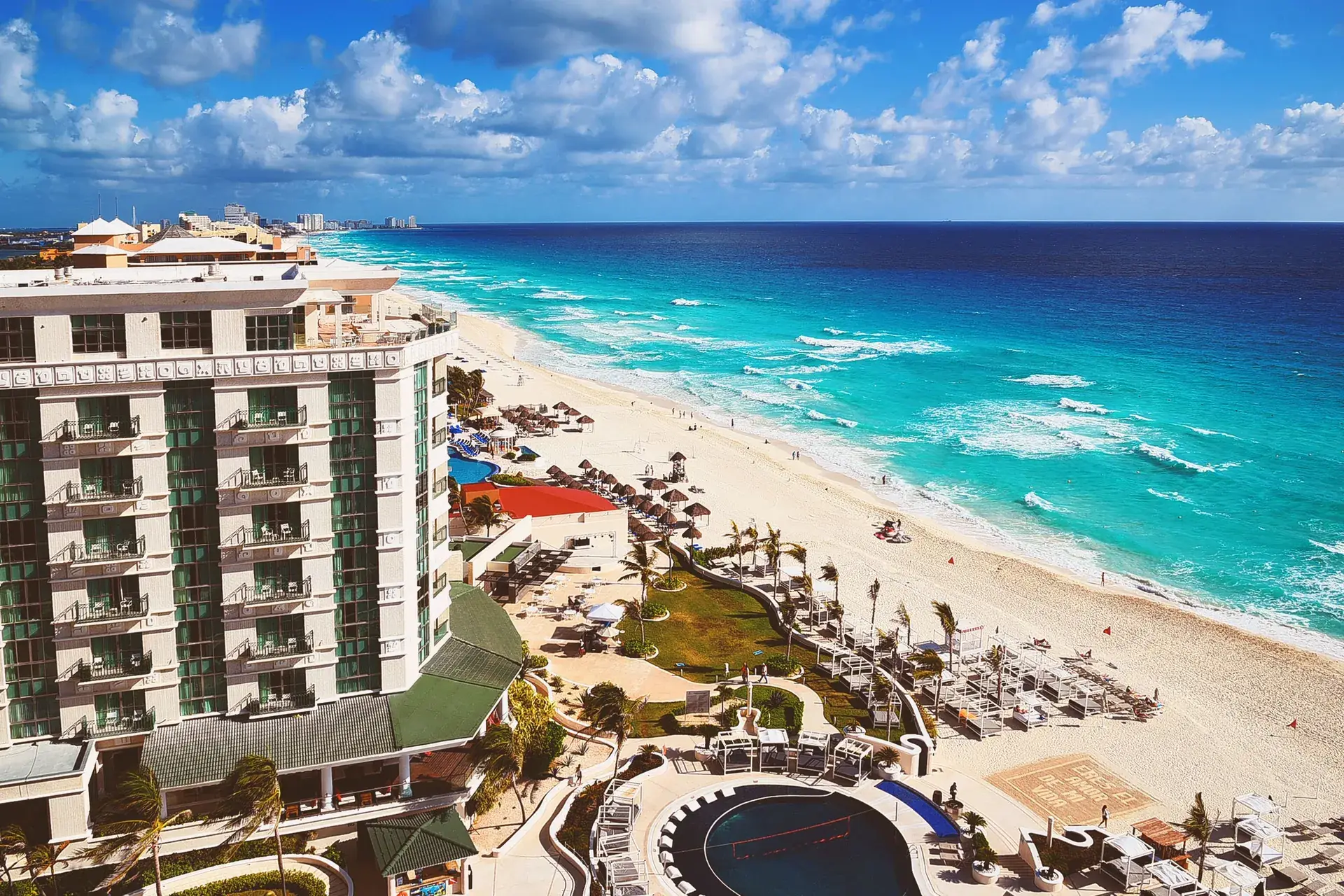
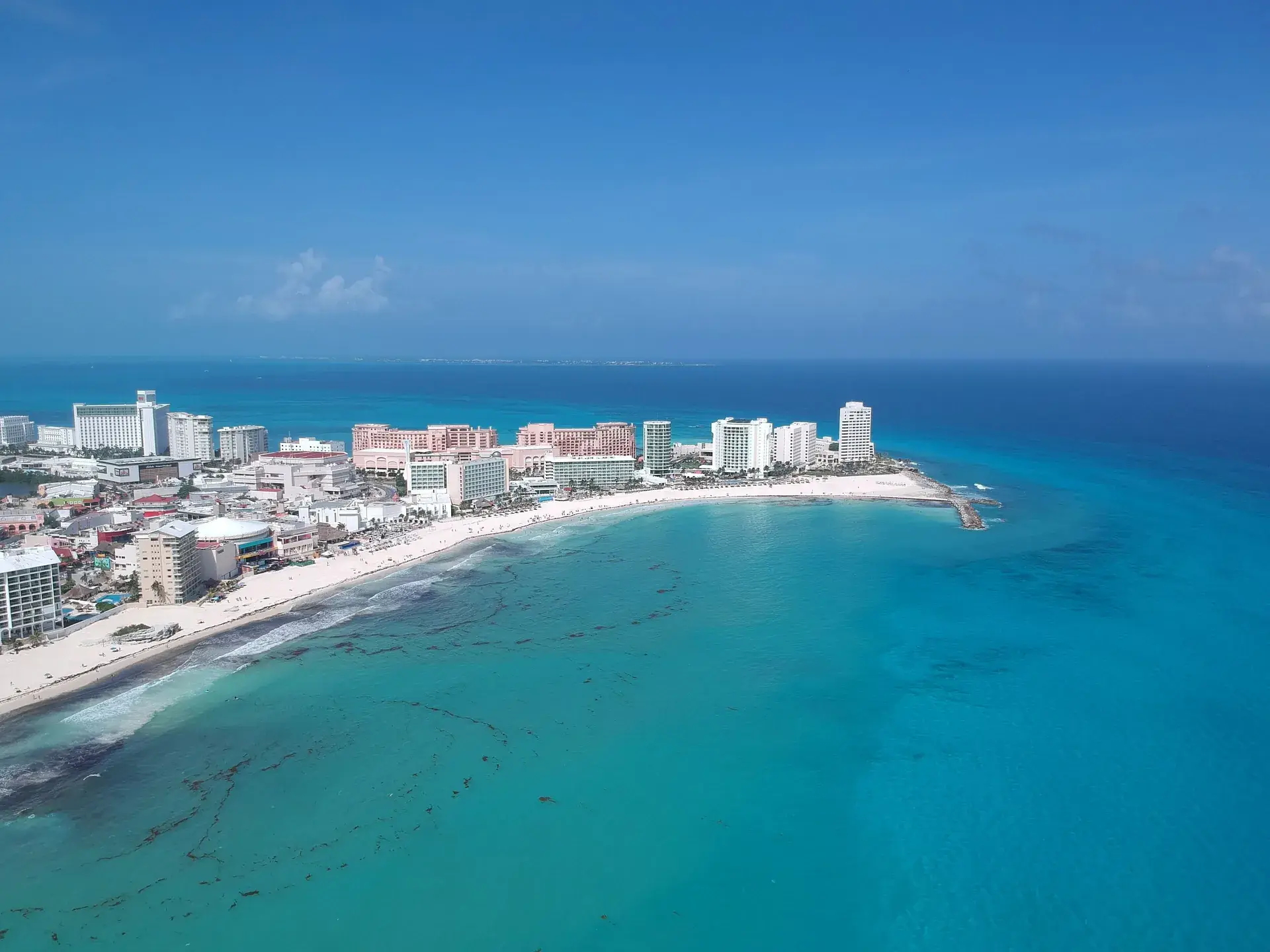
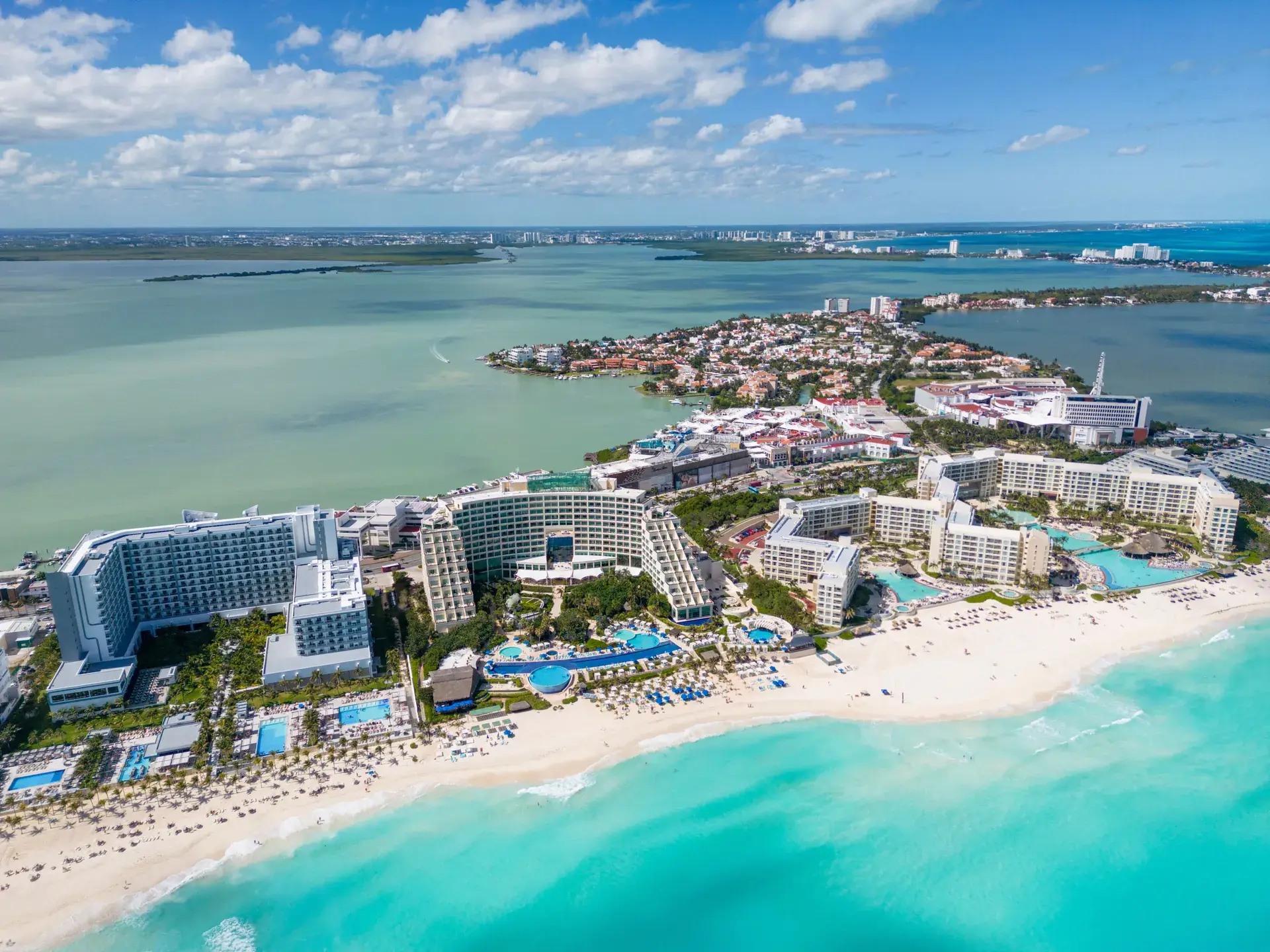
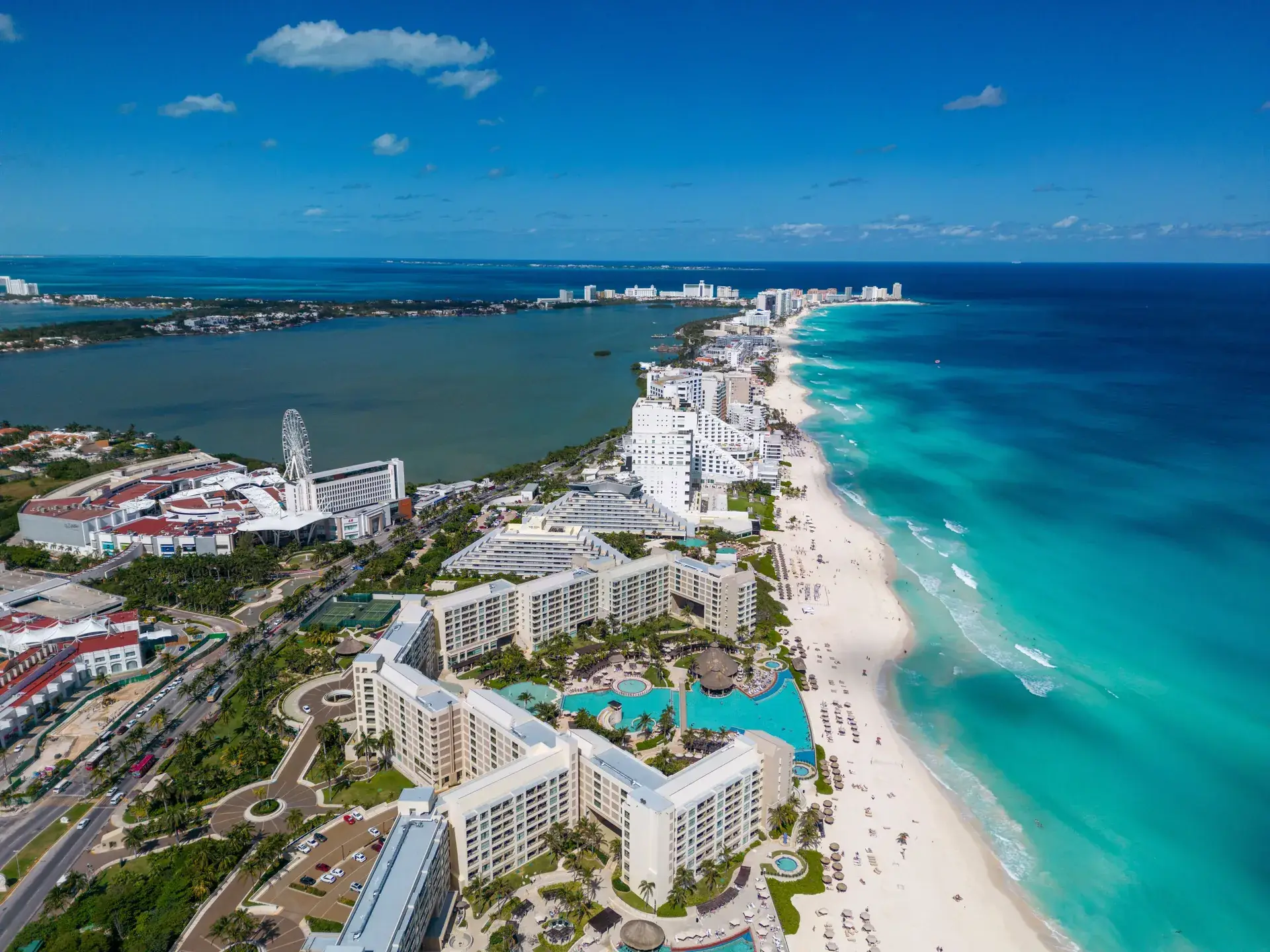
The city is divided into two main areas: the Hotel Zone (Zona Hotelera), a narrow 23-kilometer barrier island lined with resorts, restaurants, and beaches; and downtown Cancun (El Centro), where most of the local population lives and works. Together they create a destination that blends Caribbean resort tourism with easy access to some of Mexico's most important cultural landmarks.
Cancun International Airport (CUN) is the busiest airport in the Mexican Caribbean, connecting the city directly to major hubs across North America, Europe, and South America. This makes Cancun the most common starting point for day trips to Chichen Itza, Valladolid, and the cenotes of the Yucatan interior. For ruins-day planning from Cancun, start with the Mayan ruins hub.
Quick Facts: Cancun
| Location | Quintana Roo, Yucatan Peninsula, Mexico |
| Coastline | Caribbean Sea |
| Population | ~900,000 (metro area) |
| Airport | Cancun International (CUN) — busiest airport in the Mexican Caribbean |
| Known for | Caribbean beaches, resorts, nightlife, Mayan ruins access |
| Average temperature | 27–33°C (80–91°F) year-round |
| Distance to Chichen Itza | ~197 km — about 2 hours 18 minutes by car |
| Distance to Tulum | ~130 km — approximately 2 hours by car |
| Time zone | Eastern Standard Time (EST) |
| Best time to visit | December–April (dry season) |
Why Cancun Is Famous
Cancun is recognized worldwide for its turquoise Caribbean waters, powdery white‑sand beaches, and year‑round tropical climate. Beyond the beaches, the city's proximity to ancient Maya heritage sites gives it a unique position among Caribbean resort destinations.
- World‑class Caribbean beaches stretching along the Hotel Zone
- Gateway to the Riviera Maya, Isla Mujeres, and Isla Holbox
- Closest major airport to Chichen Itza and other Yucatan ruins
- Vibrant nightlife, dining, and shopping scene
- Access to hundreds of cenotes and natural parks
- One of the largest coral reef systems in the world (Mesoamerican Barrier Reef)
Overview of Cancun
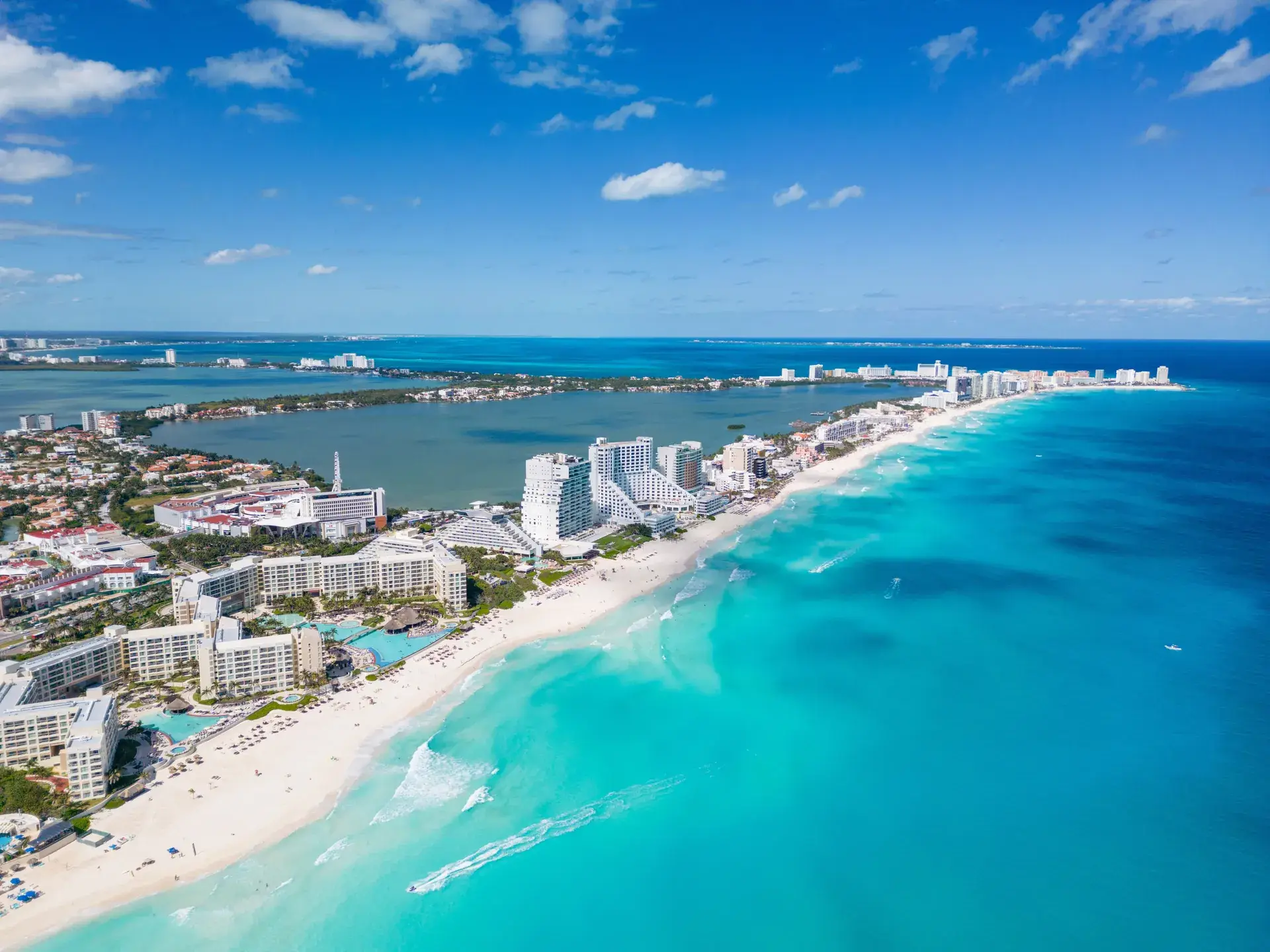
Cancun sits at the northeastern corner of the Yucatan Peninsula, where the Caribbean Sea meets the Gulf of Mexico. The city belongs to the state of Quintana Roo, which also encompasses the Riviera Maya coastline, Tulum, and the island of Cozumel.
The Hotel Zone is built on a narrow, L‑shaped barrier island connected to the mainland by two bridges. Nichupté Lagoon separates the island from downtown, creating a sheltered body of water popular for kayaking and paddleboarding. The open Caribbean side offers the iconic beaches that draw millions of visitors each year.
Downtown Cancun, on the mainland, is a working city with markets, local restaurants, parks, and residential neighborhoods. Travelers who venture beyond the Hotel Zone find lower prices, authentic Mexican cuisine, and a more local atmosphere.
History and Development of Cancun
Before the 1970s, Cancun was a sparsely inhabited island with only a handful of fishing families. The area had ancient Maya roots—small archaeological remains such as El Rey and San Miguelito still stand within the modern Hotel Zone—but the settlement never grew into a major city.
In 1970, the Mexican government launched an ambitious tourism development project. Using computer models to analyze climate, water quality, and beach sand, planners selected Cancun as the ideal site for an international resort destination. Construction of the first hotels and the international airport began shortly after.
By the 1980s and 1990s, Cancun had become one of the most popular beach destinations in the Western Hemisphere. Today, the city receives over 30 million visitors per year and serves as the main economic engine of Quintana Roo.
Things to Do in Cancun
Cancun rewards a mix of beach time, reef and lagoon activities, cultural day trips, and evening dining. Whether you have a long weekend or a full week, a good rhythm is to pair one or two resort days with at least one inland ruin trip and one island or coastal outing.
Beaches and the Hotel Zone
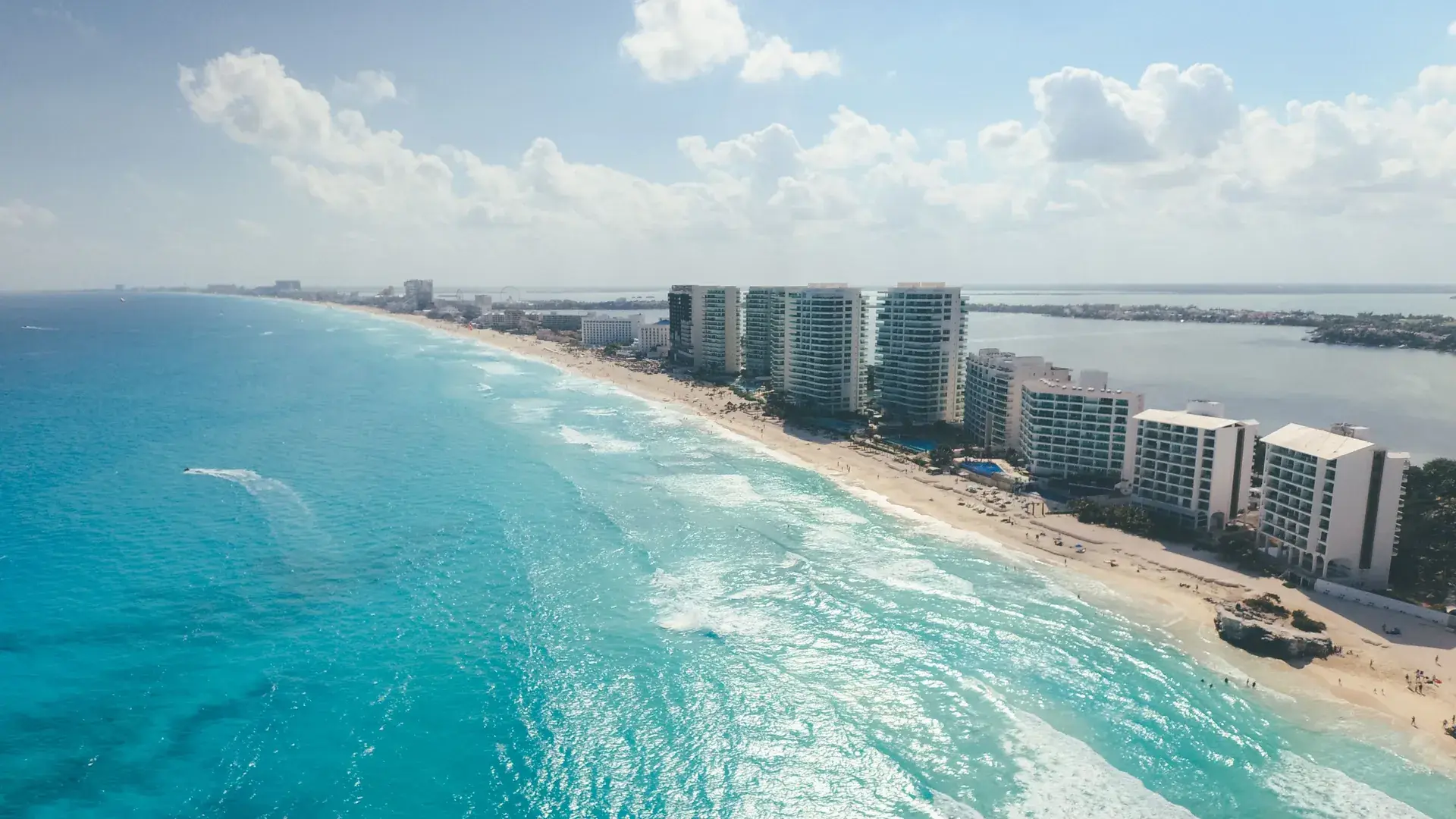
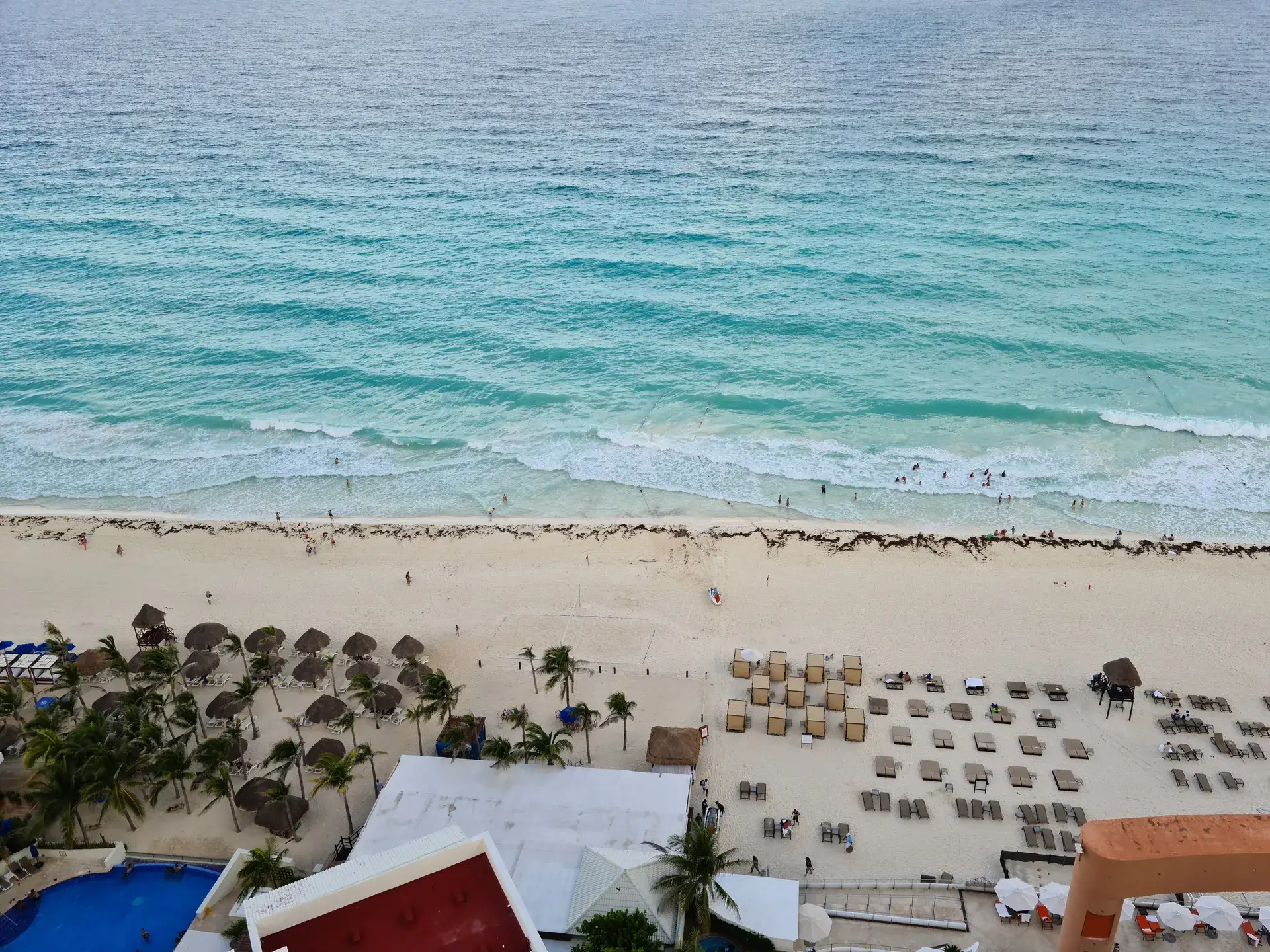
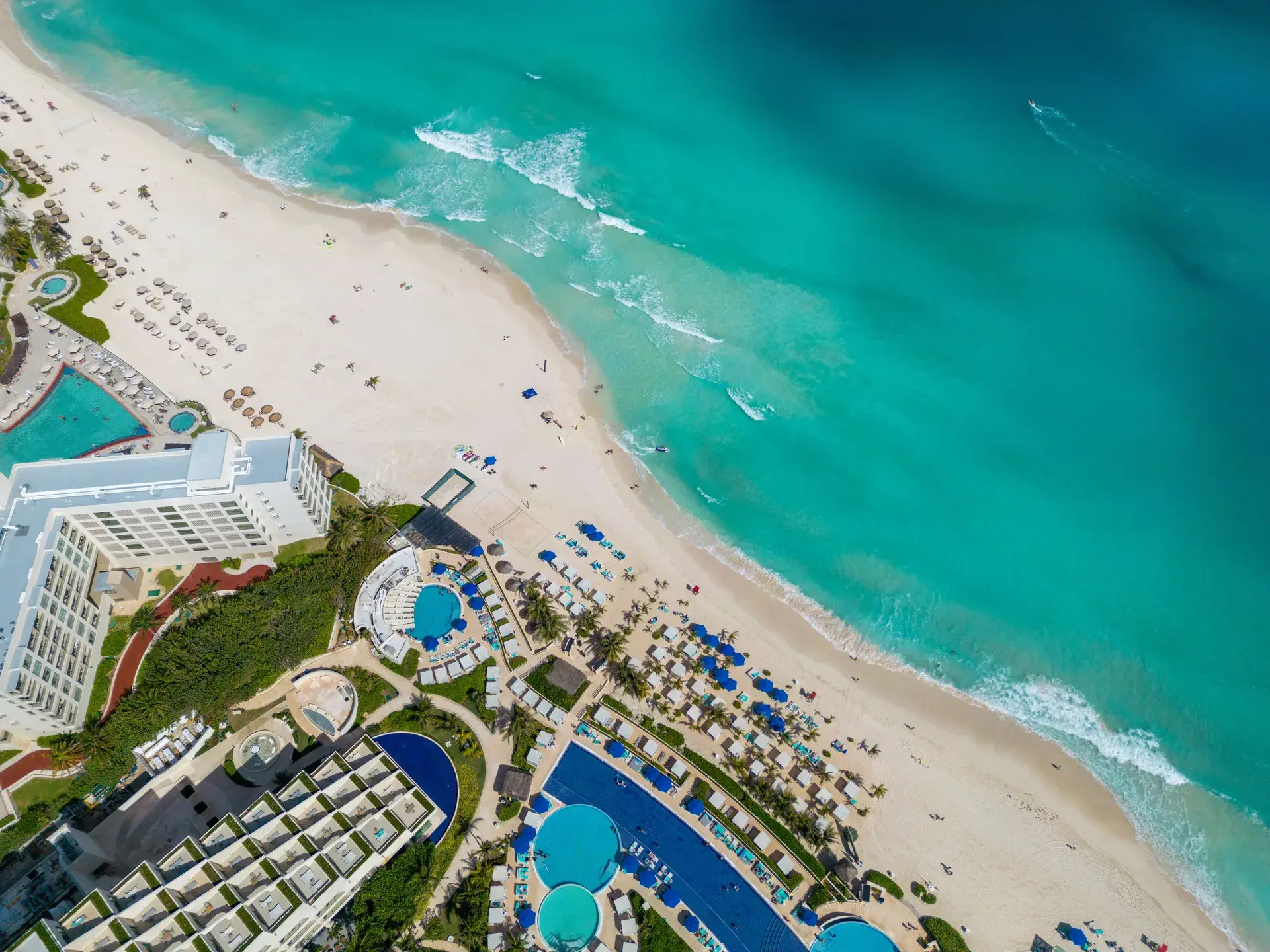
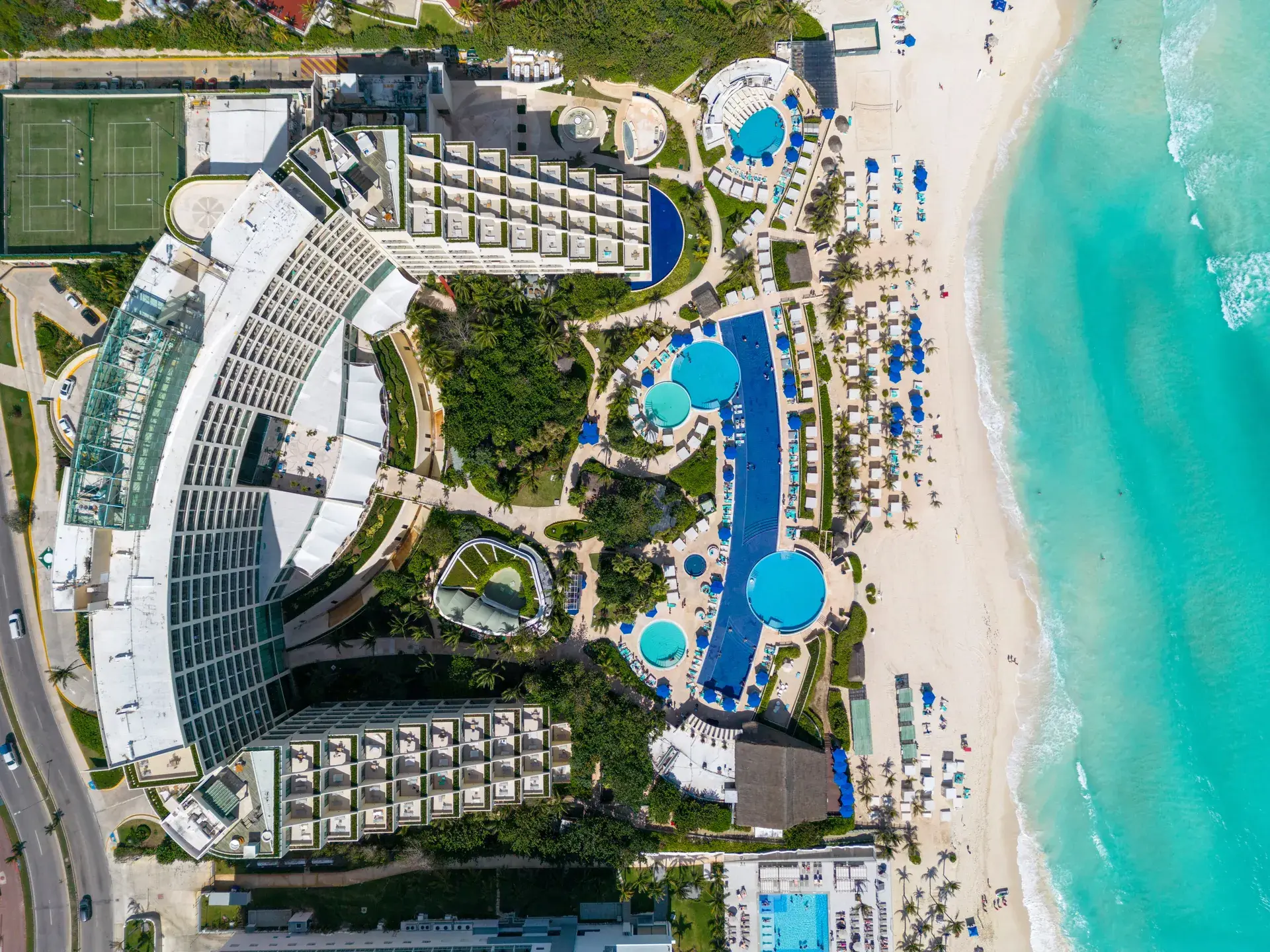
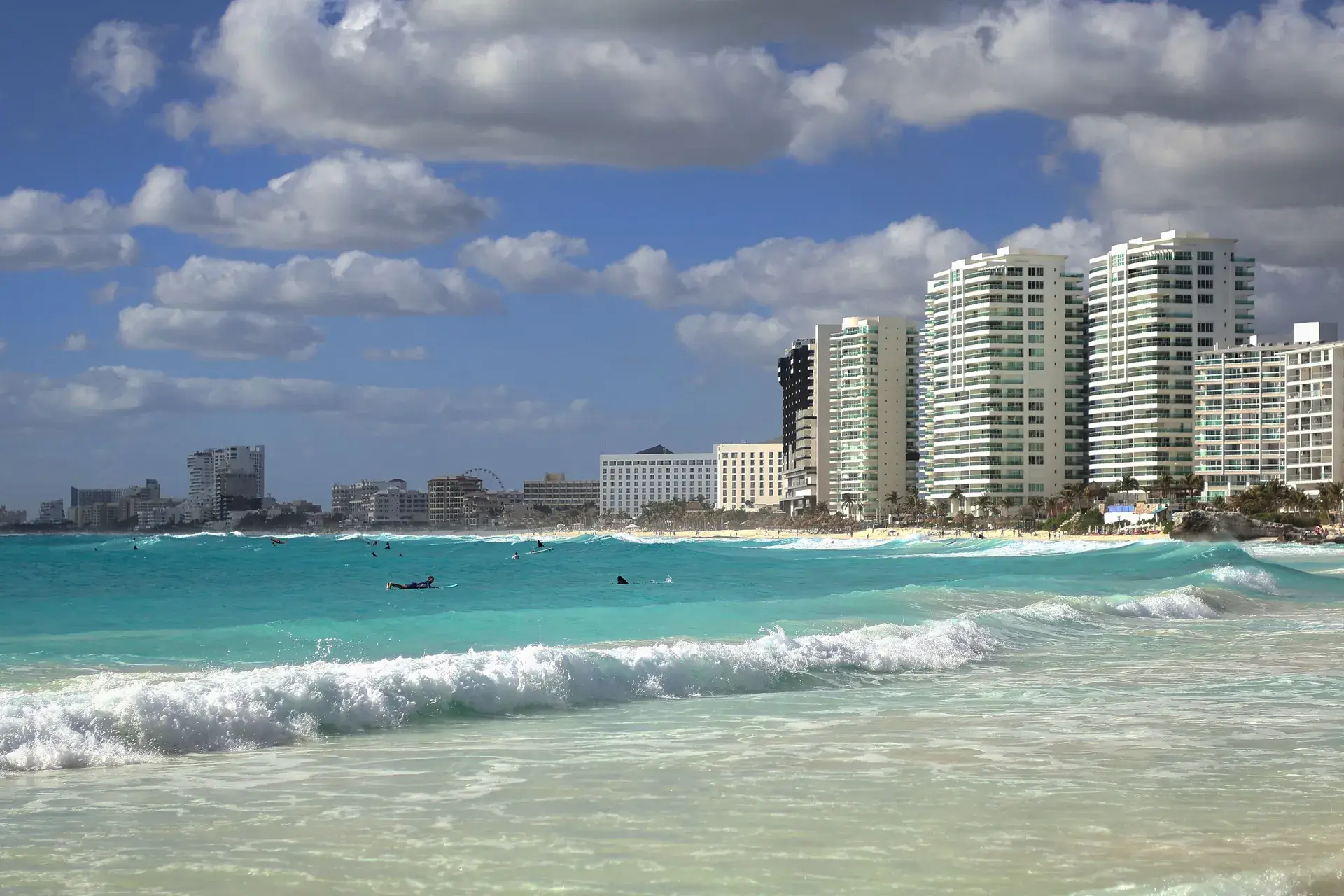
The best public beaches in Cancun line the Hotel Zone barrier island, with Playa Delfines offering wide sand and open Caribbean views, Playa Chac Mool popular with families, and Playa Forum near the nightlife strip. The east-facing coast has calm turquoise water for swimming; the northern tip toward Isla Mujeres sees gentler surf. El Rey archaeological site sits beside Playa Delfines, so you can combine a short ruin visit with a beach morning in one trip.
Theme and Adventure Parks
The major theme parks south of Cancun sit along the Riviera Maya, roughly 45 minutes to 1 hour by car from the Hotel Zone. Xcaret is an eco-archaeological park with more than 50 attractions and underground rivers; Xel-Ha is a natural snorkel and water park built around a coastal inlet; and Xplor plus Xplor Fuego add ziplines, ATVs, and cenote swims for adventure-focused groups. Closer to your hotel, Ventura Park in the Hotel Zone combines water slides with thrill rides for families who want a shorter transfer.
Maya Ruins Inside Cancun
El Rey is the only significant archaeological site inside the Hotel Zone, beside Playa Delfines, with about 47 structures including a pyramid and remains more than 1,000 years old. San Miguelito sits next to the Museo Maya de Cancun, pairing outdoor ruins with an air-conditioned museum on rainy afternoons. For a quieter climb with fewer crowds, El Meco lies just north of the city (about 30 minutes by taxi) and feels more like a jungle ruin than a resort-side stop.
Water Sports, Reef and Whale Sharks
Cancun fronts the Mesoamerican Barrier Reef, with strong snorkel and dive conditions off Punta Nizuc at the south end of the Hotel Zone. Catamaran cruises, jet ski rentals, parasailing, and paddleboarding on Nichupte Lagoon fill most afternoons. The MUSA underwater sculpture museum sits in shallow water between Cancun and Isla Mujeres and is easiest to reach on a snorkel boat from either shore. Whale shark season runs from about June to mid-September, with peak sightings in July and August in deep water north of Isla Mujeres; if that is on your list, see our whale shark tour from Cancun for seasonal departures.
Nightlife and Dining
Cancun is one of Mexico's liveliest nightlife cities. The Hotel Zone club district hosts large-scale venues and beach clubs, while downtown offers rooftop bars, local cantinas, and street-food stalls around Parque de las Palapas. For structured food experiences with a local guide, we also list food tours in Cancun that cover tacos, seafood, and Yucatecan specialties beyond the resort strip.
Nearby Mayan Ruins
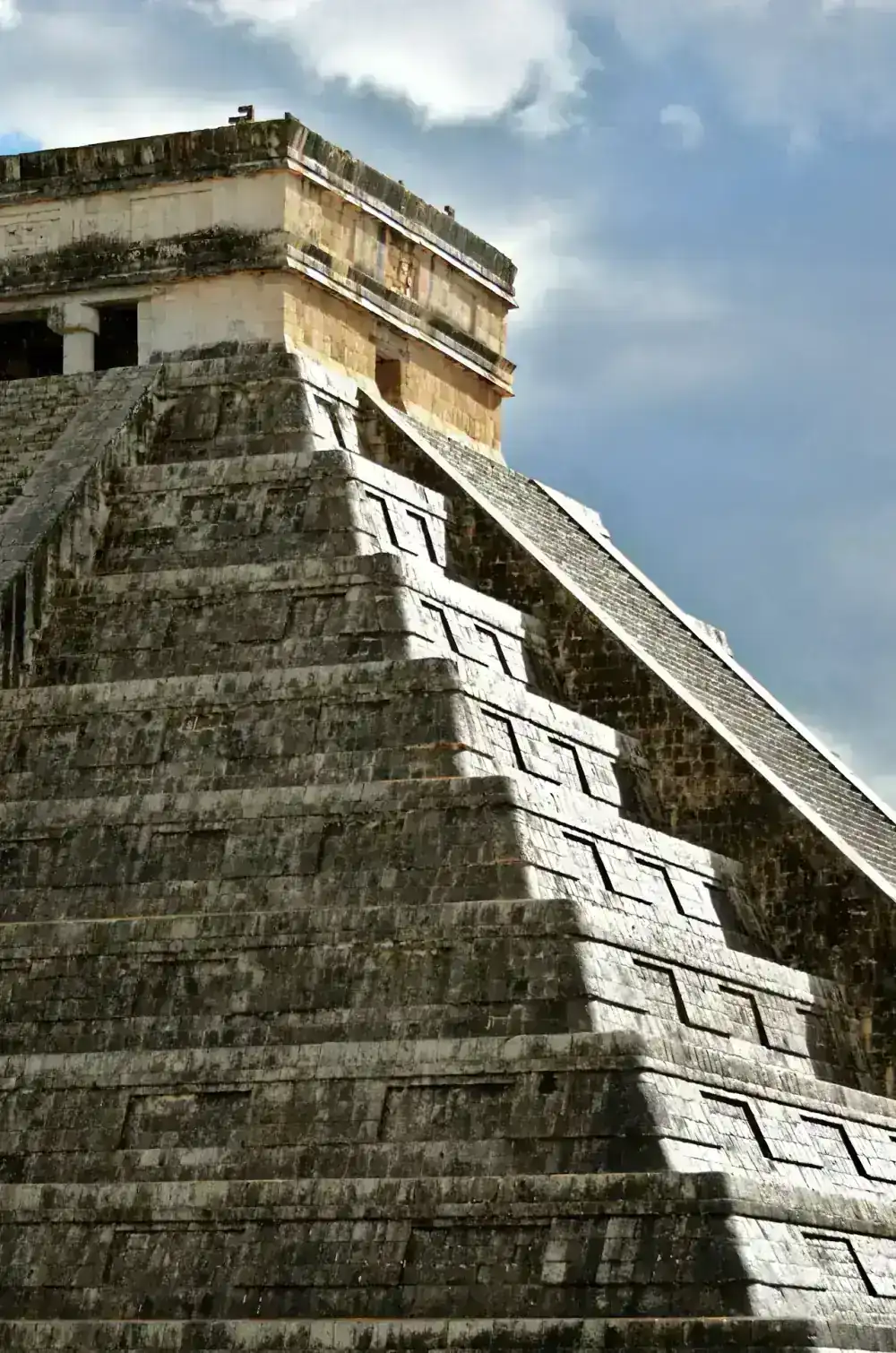
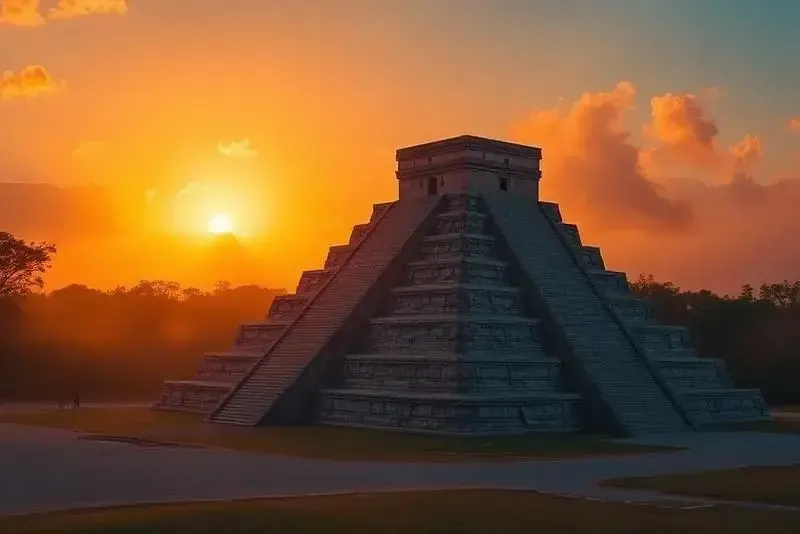
Chichen Itza is the most famous archaeological site accessible from Cancun, located about 2 hours 18 minutes west by toll road. Closer coastal options include the Tulum ruins on a cliff above the Caribbean (about 1 hour 45 minutes by car), and the lesser-known Ek Balam site inland, which still allows visitors to climb the main pyramid.
Cenotes and Day Trips
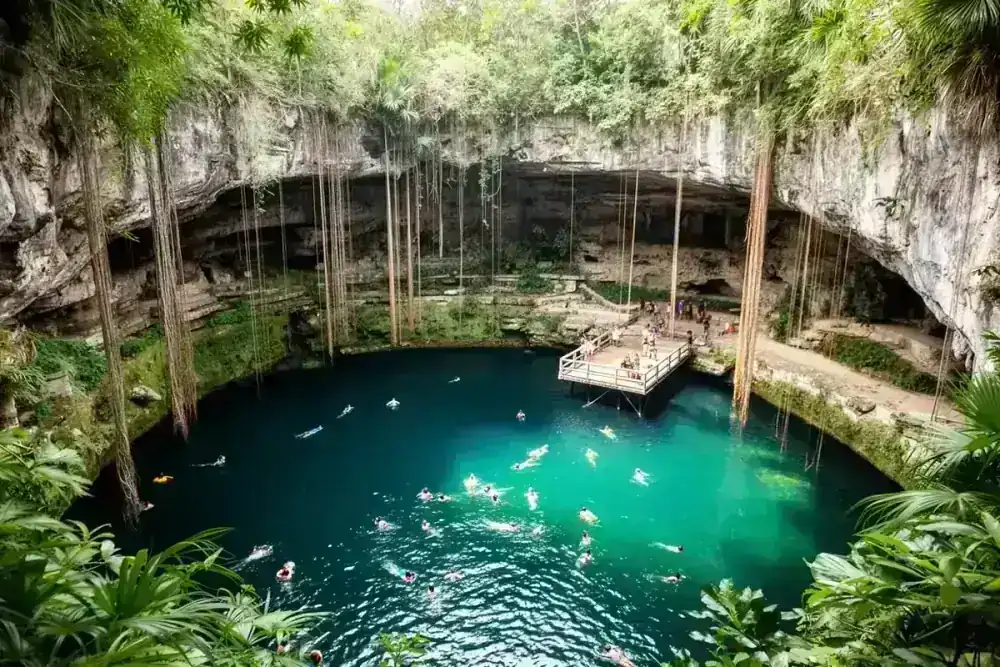
The Yucatan Peninsula is home to thousands of cenotes, natural sinkholes filled with fresh groundwater. Popular cenotes reachable from Cancun include Cenote Ik Kil, Cenote Suytun, and Cenote Oxman. Many guests book a combined ruins-and-cenote day; our Chichen Itza and cenote tour is the standard option we arrange from Cancun hotels.
Isla Mujeres
Isla Mujeres is a 20 to 30 minute ferry ride from the Hotel Zone and works well as a relaxed contrast to the mainland resort strip. Playa Norte is consistently rated among Mexico's best beaches, and the reef around the MUSA sculptures offers easy snorkel stops. For planning, see our Isla Mujeres destination guide, compare island options on best island day trips from Cancun, or book a guided Isla Mujeres tour with hotel pickup included.
Best Day Trips from Cancun
Most visitors anchor their week around two or three day trips beyond the Hotel Zone. Isla Mujeres fits a half-day or full-day ferry itinerary; Chichen Itza needs an early start at about 197 km (2 hours 18 minutes) west; Tulum ruins sit about 1 hour 45 minutes south on the coast; Cozumel is reachable via the Playa del Carmen ferry with snorkeling on the island reef; and Holbox requires about 2.5 hours north by road plus a short ferry to the car-free village. Cenote swims pair naturally with Chichen Itza or Valladolid runs. We depart all of these routes from Cancun hotels and list options on tours from Cancun.
Shopping and Markets
Hotel Zone malls such as La Isla, Luxury Avenue, and Kukulcan Plaza carry international brands and waterfront dining. Downtown Mercado 28 and Mercado 23 are better for handicrafts, souvenirs, and local prices. Parque de las Palapas downtown combines evening street food with a lively local crowd and is an easy add-on after a market afternoon.
How Far Is Cancun from Chichen Itza?
Cancun is approximately 197 kilometers (122 miles) from Chichen Itza. The drive takes about 2 hours 18 minutes via the Cancun–Merida highway (Autopista 180D), a modern toll road that crosses the flat Yucatan interior.
Because of this manageable distance, Cancun is the most common departure point for day trips to the ruins. Most guided tours depart early in the morning—typically between 6:30 and 7:30 AM—to reach the site before midday heat and the largest tour‑bus arrivals.
For detailed route information, see our Cancun to Chichen Itza travel guide.
Best Time to Visit Cancun
Cancun has a tropical climate with two loosely defined seasons. The dry season runs from approximately December through April, bringing lower humidity, little rain, and daytime temperatures around 27–30 °C (80–86 °F). This is the peak tourist season and the most comfortable time for both beach days and inland excursions.
The rainy season spans May through November. Afternoon showers are common but usually brief. Temperatures climb into the low 30s °C (upper 80s–low 90s °F), and humidity increases. Hotel prices tend to drop during this period.
Hurricane season officially runs from June 1 to November 30, with the highest risk typically in September and October. Modern forecasting provides several days of advance warning, and most resorts have well‑established safety protocols.
For a full month-by-month breakdown — including how coast weather differs from inland ruins, rainy-season scheduling, and UV levels — see our best time to visit Cancun guide.
Practical Tips for Visiting Cancun
- Carry Mexican pesos — US dollars are accepted in the Hotel Zone but at unfavorable exchange rates. Markets, taxis, and smaller restaurants expect pesos.
- Reef-safe sunscreen only — conventional sunscreen damages coral reefs and is restricted in cenotes and natural parks. Bring your own biodegradable brand.
- ADO buses for intercity travel — affordable, air-conditioned service connects Cancun to Playa del Carmen, Tulum, and Merida. Buy tickets at the terminal or online.
- Book Chichen Itza tours in advance — especially December–April when availability fills quickly. Early departures (6:30–7:30 AM) avoid midday heat and peak crowds at the site.
- Drink bottled or purified water — hotels and restaurants use filtered water, but avoid tap water throughout your stay.
- Explore downtown (El Centro) — authentic Yucatecan food, local markets, and noticeably lower prices than the Hotel Zone. Parque de las Palapas is a reliable starting point.
- Take the toll highway (cuota) for day trips — faster and better maintained than the free road. Saves 30–45 minutes each way on Chichen Itza day trips.
- Verify local schedules — check the current local time in Cancún before confirming calls, calendars, or plans across Yucatán.
Nearby Destinations Worth Visiting
Cancun's location at the top of the Riviera Maya makes it a practical base for exploring the wider Yucatan Peninsula. Several of the region's most important destinations are within a few hours' drive.
Chichen Itza
One of the New Seven Wonders of the World and the most visited archaeological site in the Yucatan, located about 2 hours 18 minutes from Cancun.
Valladolid
A charming colonial town often paired with Chichen Itza visits, known for colorful streets, Yucatecan cuisine, and nearby cenotes.
Ek Balam
A lesser‑known Maya archaeological site where visitors can still climb the main pyramid for panoramic jungle views.
Cenote Ik Kil
One of Mexico's most famous swimming cenotes, located just 3 km from the Chichen Itza entrance.
Cenote Suytun
An underground cenote with a dramatic light beam and stone platform, popular for photography.
Chichen Itza Tours from Cancun
Cancun is the most popular departure point for guided visits to Chichen Itza. Tours typically include hotel pickup, transportation, entrance fees, a certified guide, and stops at cenotes or colonial towns along the way. If you're planning a day trip from Cancun, comparing options early helps secure availability—especially during the peak dry season.
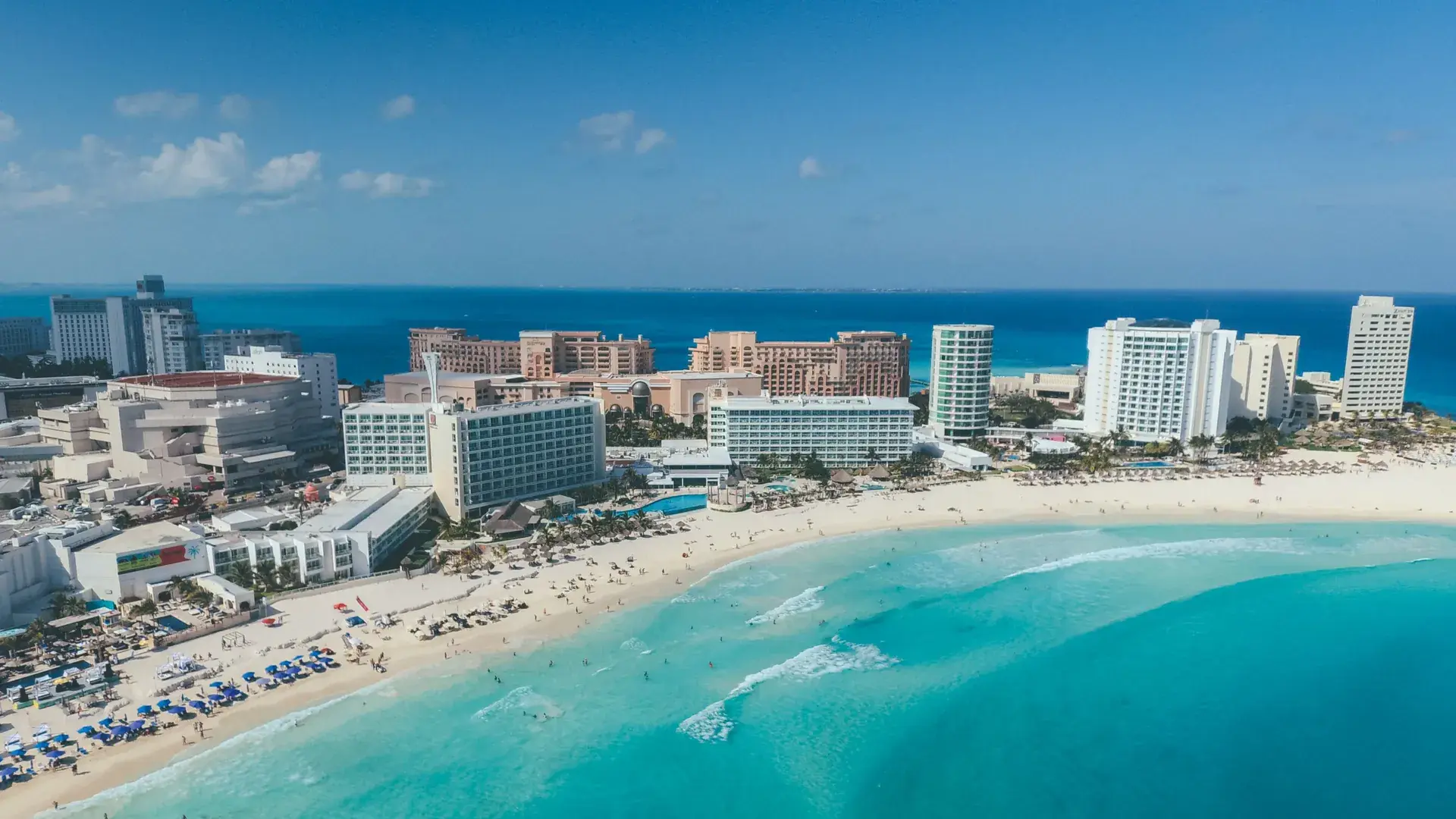
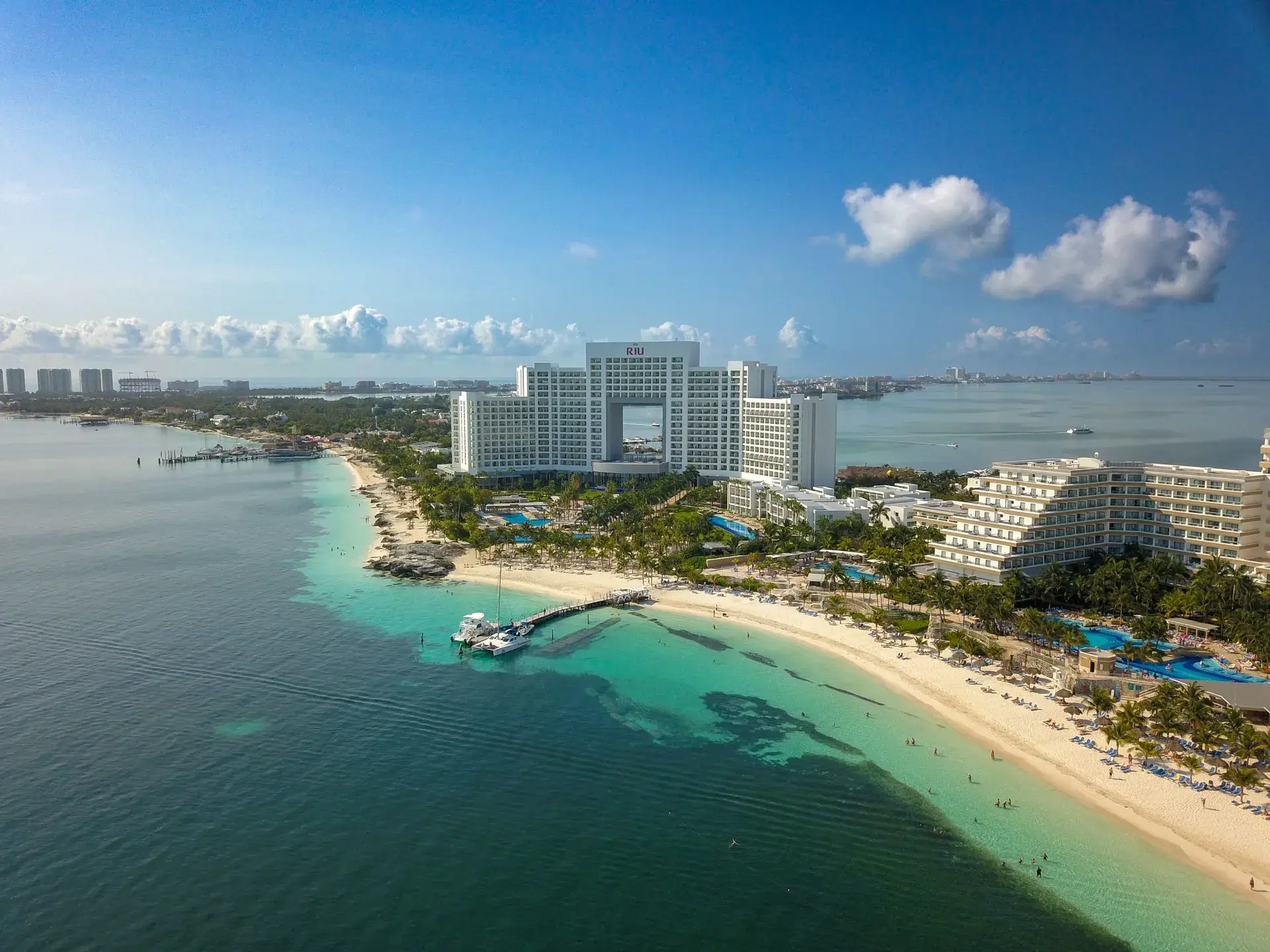
Cancun in Pictures
Key Takeaways
- Cancun is Mexico's top Caribbean beach destination, located in Quintana Roo on the Yucatan Peninsula.
- The city is divided into the Hotel Zone (resorts and beaches) and downtown (local culture and dining).
- Cancun International Airport is the primary gateway for visiting the Riviera Maya and Yucatan interior.
- Chichen Itza is approximately 197 km away, making Cancun the most common departure point for day trips to the ruins.
- Dry season (December–April) offers the best weather; rainy season (May–November) brings lower prices.
- Nearby destinations include Isla Mujeres, Valladolid, Ek Balam, Tulum, and several cenotes.
Cancun to Chichen Itza: Route Map
See the journey from Cancun to the archaeological site
Loading map…
Recommended Tours for Cancun Visitors
Helpful Next Steps for Cancun
Choose the next step that matches how you want to experience Cancun, from a private guided tour to nearby stops or the wider area.
Tours From Cancun
Browse all Chichen Itza and Yucatan day trips departing from Cancun hotels.
View detailsPrivate Chichen Itza Tour
Private vehicle, certified guide, flexible timing — the most popular option from Cancun.
View detailsChichen Itza + Cenote Tour
Ruins plus a cenote swim in one day — the standard Cancun day trip.
View details