Tulum, Mexico Travel Guide
Tulum is a coastal destination in Quintana Roo at the southern end of Mexico’s Riviera Maya. It combines Caribbean beaches, a historic Maya city above the sea, freshwater cenotes, protected natural areas and a growing town with restaurants, hotels and local neighborhoods.
The destination is spread across several distinct areas rather than one compact center. Tulum Pueblo is the inland town, the beach and Hotel Zone run along the coast, residential areas such as Aldea Zama and La Veleta sit between them, and the archaeological zone lies to the north near Parque del Jaguar.
Tulum suits travelers who want to combine beach time with nature and culture. It can also serve as a base for visiting cenotes, Coba, Sian Ka’an and other parts of the Riviera Maya.
Quick Facts About Tulum
| Location | Quintana Roo, Mexico |
| Region | Southern Riviera Maya, Yucatán Peninsula |
| Coast | Caribbean Sea |
| Main areas | Tulum Pueblo, Beach and Hotel Zone, Aldea Zama, La Veleta and Archaeological Zone |
| Local currency | Mexican peso |
| Time zone | UTC−05:00 year-round |
| Main airport | Tulum International Airport |
| Alternative airport | Cancún International Airport |
| Known for | Caribbean beaches, Maya ruins, cenotes, Sian Ka’an and boutique stays |
| Suggested stay | Two to four days for most first-time visitors |
Where Is Tulum, Mexico?
Tulum is in the state of Quintana Roo, not the neighboring state of Yucatán.
It is located on the eastern side of the Yucatán Peninsula, facing the Caribbean Sea. This distinction matters because “Yucatán” can refer to either the entire peninsula or the separate Mexican state west of Quintana Roo.
Tulum lies south of Playa del Carmen and Cancún, with Bacalar farther south. Inland routes connect Tulum with Coba, Valladolid and Chichén Itzá.
The town is not fully walkable as one continuous destination. The Pueblo, beach road, archaeological zone and residential neighborhoods are separated by several kilometers, so where you stay affects how you will get around.
Understanding Tulum’s Main Areas
Tulum Pueblo
Tulum Pueblo is the inland town center along the main highway.
This is where visitors find local restaurants, taquerías, cafés, shops, supermarkets, banks and bus connections. Accommodation is generally more varied than on the beach, and the Pueblo is often the most practical base for travelers who plan to explore by bus, colectivo, bicycle or rental car.
It is not directly on the beach, so daily transport is required for coastal visits.
Tulum Beach and Hotel Zone
The beach and Hotel Zone extend along the coastal road south of the archaeological area.
This part of Tulum is known for boutique hotels, beach clubs, wellness properties and open-air restaurants. Staying here offers easier beach access, but prices, traffic and transport costs are usually higher than in the Pueblo.
Travelers should confirm whether their hotel provides direct beach access, parking, bicycles or transport into town.
Aldea Zama
Aldea Zama is a planned residential and condominium area between the Pueblo and the coast.
It can work well for travelers who want more space, a quieter setting or apartment-style accommodation. However, most visitors still need a bicycle, taxi, scooter or car to reach the beach and town center comfortably.
La Veleta
La Veleta is a growing neighborhood south of central Tulum.
It includes restaurants, apartments, villas and longer-stay accommodation. It may offer better value than the beach, but road conditions, lighting and walking distances can vary from street to street.
Archaeological Zone and Parque del Jaguar
The Tulum Archaeological Zone sits north of the main beach road inside the wider Parque del Jaguar area.
The ruins are a separate visitor attraction with their own access procedures, opening hours and fees. Parque del Jaguar also contains protected natural areas, trails, beach access points and conservation zones.
Archaeological-zone admission and Parque del Jaguar access arrangements can change. Check the current hours, fees and entry process in the Tulum ruins visitor guide before visiting.
What Is Tulum Known For?
Tulum is best known for bringing several different Riviera Maya experiences together in one destination:
- a walled Maya city overlooking the Caribbean;
- white-sand beaches;
- nearby cenotes and cave systems;
- Sian Ka’an Biosphere Reserve;
- boutique hotels and wellness-oriented stays;
- restaurants ranging from local taquerías to destination dining;
- access to Coba and other regional attractions.
Its appeal comes from this variety. Visitors can explore archaeology in the morning, swim in a cenote in the afternoon and dine in the Pueblo or near the coast in the evening.
Tulum is not only a ruins destination, and it is not only a beach resort. Its town, coast, ecosystems and surrounding attractions form one broader travel entity.
Who Is Tulum Best For?
Tulum is a strong choice for:
- couples combining beaches and cultural experiences;
- travelers interested in cenotes and nature;
- visitors who prefer boutique hotels over large resort complexes;
- people planning day trips to Coba, Sian Ka’an or inland Yucatán;
- travelers who want restaurants and nightlife without Cancún’s large-resort atmosphere;
- visitors comfortable arranging local transport between separate zones.
Tulum may be less suitable for travelers looking for:
- a highly walkable resort district;
- inexpensive beachfront accommodation;
- large all-inclusive resorts with everything on one property;
- direct access to major nightlife venues;
- predictable transport costs without advance planning.
Travelers prioritizing large resorts and airport convenience may prefer Cancún. Those wanting a more compact, walkable coastal city may prefer Playa del Carmen.
Tulum Beaches, Maya Ruins, Cenotes and Nature
Tulum Beaches
Tulum’s coastline includes beaches near the archaeological zone, public-access areas and hotel-lined sections farther south.
Beach conditions can change throughout the year. Wind, currents, storms and seasonal sargassum can affect the appearance and swimming conditions of individual beaches.
Visitors should confirm current beach access rather than assuming every hotel entrance provides public access. Parking, transport, chairs, beach clubs and protected-area access may involve separate charges.
Tulum Archaeological Zone
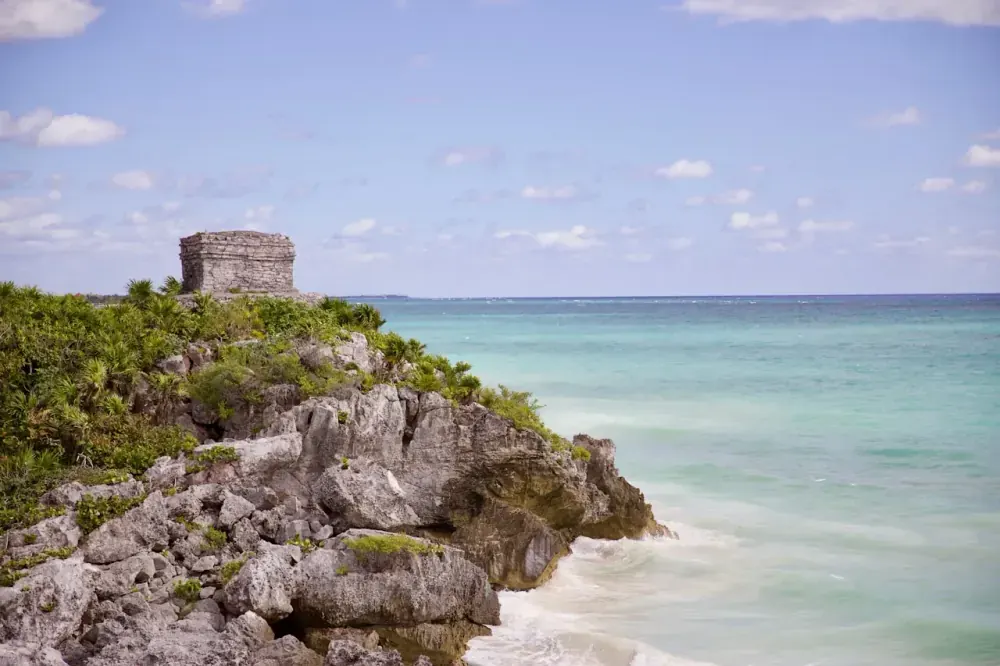
The Tulum ruins occupy a limestone bluff above the Caribbean Sea.
The settlement was an important coastal Maya center, protected by walls on three sides and the sea on the fourth. Visible structures include El Castillo, the Temple of the Frescoes and the Temple of the Descending God.
Cenotes Near Tulum
The limestone landscape around Tulum contains open, semi-open and cave cenotes.
Popular options in the broader area include Dos Ojos, Gran Cenote, Casa Cenote and Cenote Calavera. Each offers a different experience: some are suited to casual swimming, while others are known for snorkeling, diving or cave formations.
Conditions, entrance prices and safety rules vary by cenote. Visitors should check whether life jackets are required, whether lockers are available and whether the site is appropriate for children or inexperienced swimmers.
Sian Ka’an Biosphere Reserve
Sian Ka’an Biosphere Reserve begins south of Tulum and protects forests, wetlands, mangroves, lagoons and Caribbean coastline.
Visitor experiences may include boat trips, floating through historic canals, wildlife observation and community-based excursions.
Because the reserve is large, trip style and departure point matter. Some experiences leave from Muyil, while others operate closer to the coast.
Food, Dining and Local Life in Tulum
Tulum’s food scene changes significantly between the Pueblo and the beach.
The Pueblo is generally better for local Mexican food, casual breakfasts, taquerías and more affordable dining. Visitors can find tacos, seafood, regional Yucatecan dishes, bakeries and cafés within a relatively compact area.
The beach and Hotel Zone are known for design-led restaurants, hotel dining, international menus and higher prices. Reservations may be useful for popular restaurants during busy travel periods.
A balanced trip does not need to be limited to the beach road. Spending time in the Pueblo provides a broader view of Tulum and usually offers more variety at different price levels.
Tulum Weather and Seasonal Planning
Tulum is warm throughout the year, but weather, crowd levels and beach conditions vary.
The drier part of the year generally brings lower humidity and more predictable beach weather, but it is also the busiest and most expensive period. Warmer and wetter months may offer lower accommodation prices, although rain, tropical weather and sargassum can affect plans.
There is no single perfect month for every traveler:
- beach-focused visitors usually prioritize drier weather;
- cenote and ruins visitors may prefer quieter shoulder periods;
- budget-conscious travelers may accept greater weather uncertainty;
- visitors sensitive to heat should avoid scheduling outdoor attractions at midday.
How to Get to Tulum
Tulum International Airport
Tulum International Airport handles domestic and international flights.
It is located outside the main Pueblo and Hotel Zone areas. Travelers should arrange transport to their exact accommodation before arrival because the airport is not within walking distance of the main visitor districts.
From Cancún International Airport
Cancún International Airport remains another major gateway for travelers combining Tulum with Playa del Carmen, Cancún or other Riviera Maya destinations.
Common transport options include:
- private transfer;
- intercity bus;
- shared shuttle;
- rental car.
Travel time depends on traffic, road conditions, hotel location and the chosen transport service. Compare options in the Cancún to Tulum guide or arrange a Cancún Airport to Tulum transfer.
From Playa del Carmen
Tulum is connected with Playa del Carmen by Highway 307.
Travelers can use intercity buses, colectivos, private transfers or rental cars. A private transfer is usually the easiest option for travelers carrying luggage or staying on the beach road. See the Playa del Carmen to Tulum guide.
Getting Around Tulum
Tulum’s main areas are too spread out for most visitors to rely only on walking.
Getting Around Tulum by Bicycle
A bicycle can be useful for shorter journeys between the Pueblo, Aldea Zama and some coastal areas. Heat, traffic, lighting and road conditions should be considered, especially after dark.
Taxis in Tulum
Taxis offer point-to-point transport, but prices can vary. Confirm the fare before starting the trip.
Getting Around Tulum by Scooter
Scooters provide flexibility but require confidence in local road and traffic conditions. Helmets and appropriate licensing should be treated as essential.
Renting a Car in Tulum
A car can be useful for cenotes, Coba and regional day trips. Parking can be difficult near popular beach areas and attractions.
Buses and Colectivos in Tulum
Intercity buses serve major routes, while colectivos connect some towns and attractions along the highway. They are generally better suited to travelers with light luggage and flexible schedules.
How Many Days Do You Need in Tulum?
One Day
With one day, focus on one major combination:
- Tulum ruins and beach;
- cenote and Pueblo;
- Sian Ka’an or Muyil.
Trying to combine the ruins, multiple cenotes, the beach and a distant day trip usually creates a rushed schedule.
Two Days
Two days allow a more balanced visit:
Day 1: Pueblo, ruins and coastal area.
Day 2: Cenote, Sian Ka’an or Coba.
Three Days
Three days provide time for:
- one archaeology-focused day;
- one beach or cenote day;
- one nature or regional excursion.
Four Days or More
A longer stay works for travelers who want a slower pace, wellness activities, several cenotes or a full-day trip inland.
Explore more options in the things to do in Tulum guide.
Tulum Neighborhoods and Accommodation Areas
| Area | Best for | Main trade-off |
|---|---|---|
| Tulum Pueblo | Food, transport and value | Not beachfront |
| Beach and Hotel Zone | Direct coastal experience | Higher prices and traffic |
| Aldea Zama | Apartments and quieter stays | Transport usually required |
| La Veleta | Longer stays and local restaurants | Variable road and walking conditions |
| Near the ruins | Archaeology and north-beach access | Farther from Pueblo nightlife |
First-time visitors should choose accommodation based on daily priorities rather than hotel style alone.
A beachfront property may be convenient for beach time but less convenient for restaurants in town. A Pueblo hotel may offer better value but require daily transport.
Compare the Tulum stays guide and Tulum boutique hotels.
Is Tulum Expensive?
Tulum can be expensive, particularly along the beach and in the Hotel Zone.
Accommodation, taxis, beach clubs and destination restaurants can cost substantially more than comparable services in the Pueblo. However, travelers can control costs by:
- staying in the Pueblo or La Veleta;
- eating at local restaurants;
- using buses or colectivos where practical;
- choosing public beach access;
- booking only selected paid experiences;
- comparing transport prices before arrival.
Tulum should not be positioned as a low-cost beach destination. It offers a wide price range, but location and transport choices strongly affect the final trip cost.
Is Tulum Safe?
No destination is risk-free, and local conditions can change.
Visitors should use ordinary travel precautions, remain aware of their surroundings, use reliable transport and avoid isolated roads or beaches after dark.
Practical precautions include:
- avoid displaying large amounts of cash;
- use hotel-arranged, regulated or established transport services;
- do not leave valuables unattended on beaches;
- avoid isolated areas after dark;
- confirm taxi prices before departure;
- keep copies of important documents;
- follow current official travel guidance;
- use life jackets and operator instructions at cenotes and on boat trips.
Popular Day Trips and Places Near Tulum
Coba
Coba is one of the closest major Maya sites to Tulum.
Its forest setting and network of ancient roads create a different experience from Tulum’s coastal ruins.
Sian Ka’an and Muyil
Sian Ka’an and Muyil work well for travelers interested in wetlands, lagoons, Maya history and wildlife.
The experience is substantially different from a beach-club or resort day.
Playa del Carmen
Playa del Carmen offers shopping, restaurants, nightlife and ferry access to Cozumel.
It is suitable for travelers who want a busier and more walkable coastal center.
Bacalar
Bacalar is known for its freshwater lagoon and slower atmosphere.
It is farther from Tulum and may work better as an overnight stop than a rushed return trip.
Chichén Itzá and Valladolid
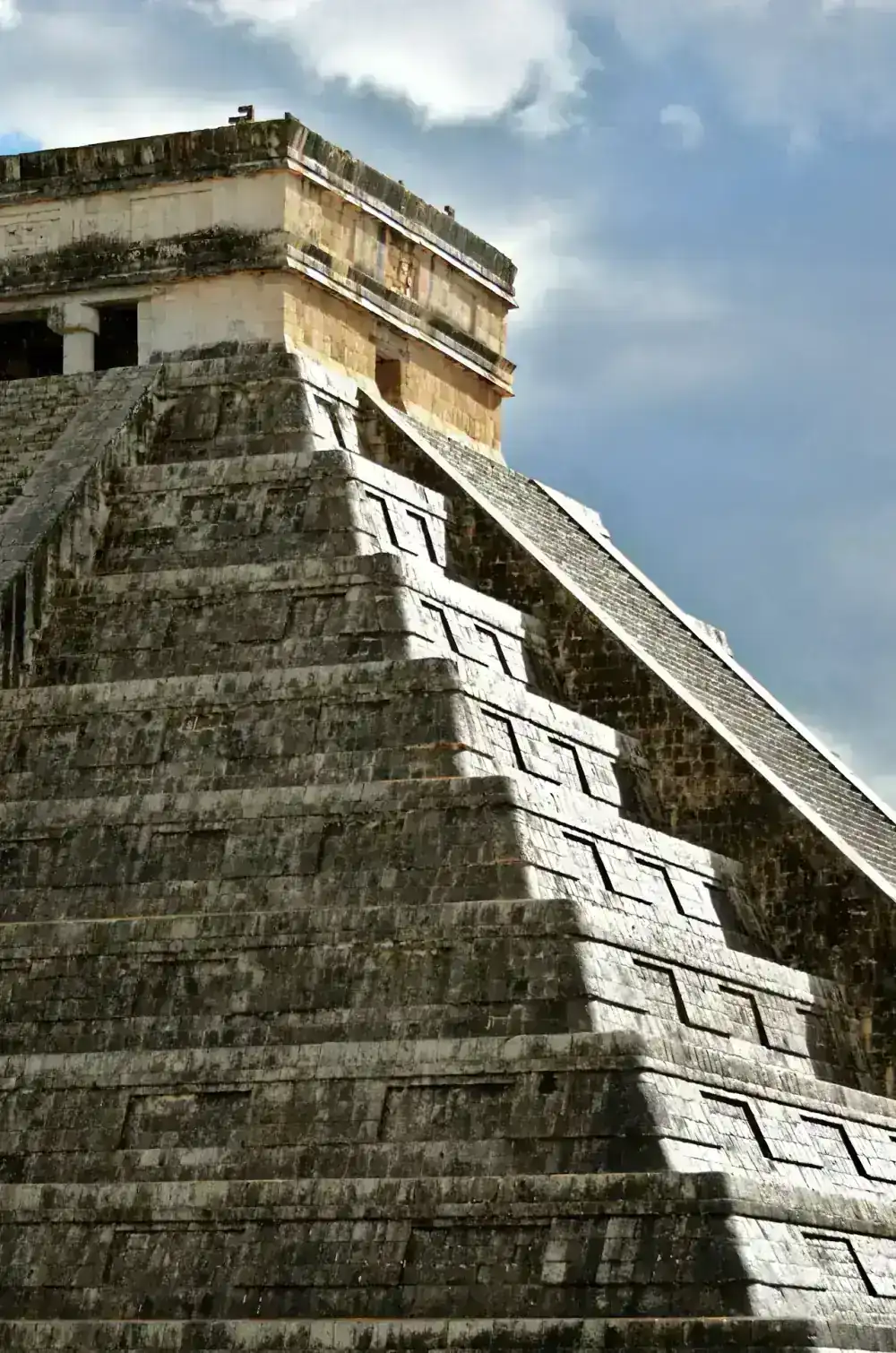
Chichén Itzá is possible as a long full-day outing from Tulum. Many travelers pair it with Valladolid or a cenote.
Because the journey involves substantial driving, an early departure is usually preferable. Use the Tulum to Chichén Itzá guide for route and day-trip planning, or compare guided tours from Tulum.
Tulum or Cancún: Which Fits Your Trip?
| Factor | Tulum | Cancún |
|---|---|---|
| Overall style | Boutique, dispersed and nature-oriented | Resort-focused and highly developed |
| Airport access | Tulum Airport plus access through Cancún Airport | Direct access through Cancún Airport |
| Accommodation | Boutique hotels, villas and smaller properties | Large all-inclusive and international resorts |
| Archaeology | Tulum ruins nearby | Primarily regional day trips |
| Cenotes | Many options in the wider area | Usually visited as excursions |
| Nightlife | Restaurants, bars and beach venues | Large clubs and entertainment venues |
| Getting around | Main areas are spread out | Hotel Zone is more structured |
| Best for | Nature, cenotes, boutique stays and mixed itineraries | Resorts, groups, nightlife and easier logistics |
Neither destination is universally better. Travelers can also divide their trip between Tulum and Cancún instead of choosing only one. See the Cancún destination guide.
Practical Tulum Travel Tips
- Choose your hotel area before choosing transport.
- Confirm whether beach access is public, hotel-controlled or connected with protected-area entry.
- Carry some Mexican pesos for smaller purchases.
- Confirm taxi fares before travel.
- Follow the sunscreen and product rules of the specific cenote, reserve or park you visit.
- Do not assume every road is comfortable for walking or cycling after dark.
- Reserve popular hotels, restaurants and tours early during busy periods.
- Check current weather and sargassum conditions shortly before beach days.
- Review official archaeological-zone hours, fees and entry rules before visiting.
- Respect protected beaches, mangroves, wildlife and marked trails.
Tulum Travel Planning Resources
Tulum ruins visitor guide
Hours, access and archaeological planning
Things to do in Tulum
Attractions and activity planning
Best time to visit Tulum
Weather and seasonal planning
Where to stay in Tulum
Neighborhood and accommodation guidance
Tours from Tulum
Guided regional excursions
Tulum ruins tour
Commercial guided ruins experience
Cancún Airport to Tulum transfer
Private transport
Best cenotes near Tulum
Cenote comparison
Tulum to Chichén Itzá
Route and day-trip planning
Tulum to Chichen Itza: Route Map
See the journey from Tulum to the archaeological site
Loading map…
Helpful Next Steps for Tulum
Choose the next step that matches how you want to experience Tulum, from a private guided tour to nearby stops or the wider area.
Tours From Tulum
Departure-specific options for travelers based in Tulum — Chichen Itza, Coba, cenotes.
View detailsTulum Ruins Tour
The clifftop Maya ruins overlooking the Caribbean — closest major site to Tulum.
View detailsSian Ka'an Biosphere Reserve
UNESCO World Heritage Site 15 km south of Tulum — Mayan canals, dolphins, 330+ bird species.
View details