Coba Ruins: Jungle Maya Archaeology & Nohoch Mul
Coba is a major Maya archaeological site in Quintana Roo, set within dense jungle between two shallow lagoons. Unlike Chichen Itza's open ceremonial plazas, Coba is spread across a large forested area — the ruins are connected by jungle paths, and exploration requires bicycle or tricycle taxi rather than a simple walking circuit. The site was one of the most powerful Maya cities in the peninsula between 500 and 900 AD, with an estimated population of 50,000 at its peak.
Coba's most distinctive feature is its network of sacbé roads — raised white limestone causeways that connected the city to other Maya settlements across the Yucatan Peninsula. The longest sacbé at Coba extends over 100 km, the longest known Maya road in existence. Most of this road network lies buried under jungle, but the cleared paths through the site follow its original lines. For fees, climbing hours, and sacbeob cycling tips, read the Coba ruins visitor guide. See the Coba ruins tour for guided visits, and compare with other Mayan ruins in the region.
Only a fraction of Coba has been excavated — most of the ancient city remains under jungle cover. This gives the site an atmosphere that feels genuinely remote even when visitors are present, particularly on the jungle paths between temple groups where wildlife outnumbers people in the early morning hours.
Quick Facts: Coba Ruins
| Location | Quintana Roo, Mexico — 45 km from Tulum |
| Distance from Cancun | 170 km — approx. 2.5 hours via Tulum |
| Distance from Tulum | 45 km — approx. 45 minutes |
| Pyramid Height | Nohoch Mul — 42 metres (tallest Maya pyramid structure in Yucatan) |
| Climbing | Reopened December 2025 — INAH wooden staircase, 8 AM–3:30 PM, managed groups of 14–15 |
| Best Time to Arrive | 8:00–9:00 AM (coolest, fewest crowds) |
Nohoch Mul — The Tallest Pyramid in the Region
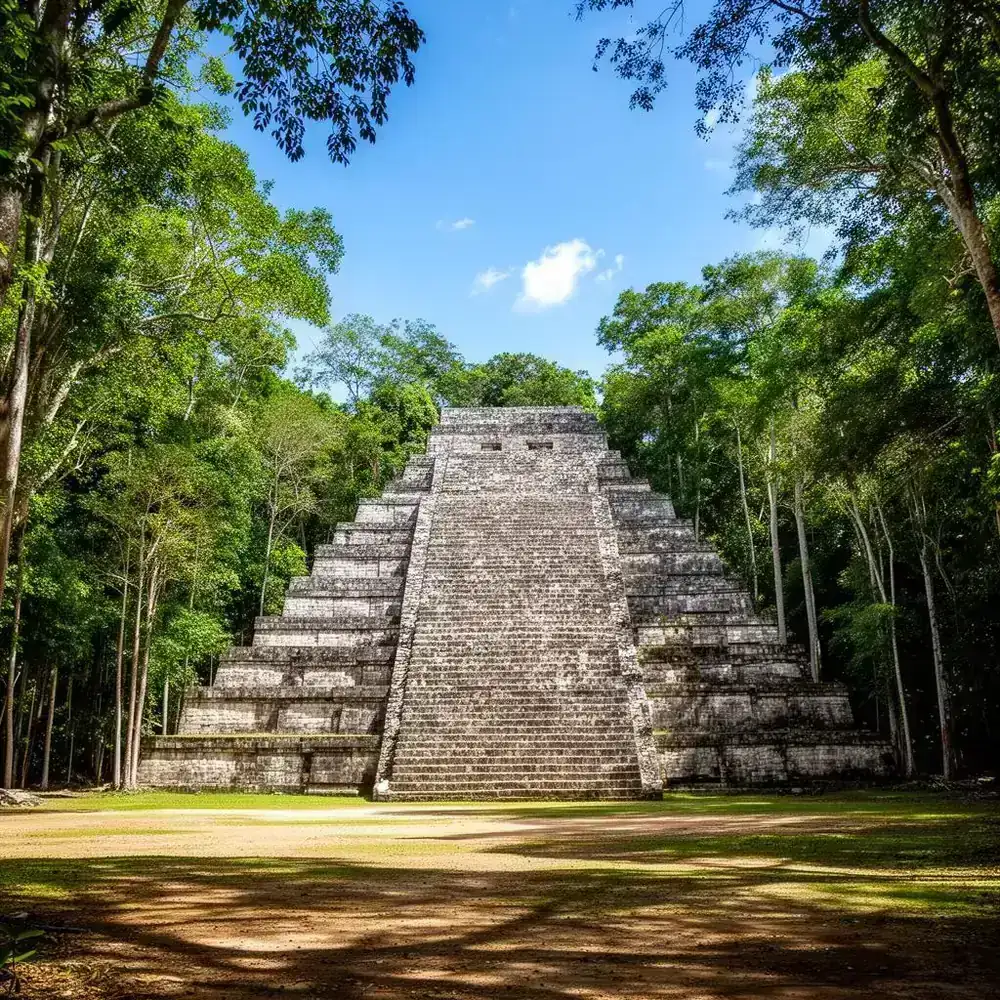
Nohoch Mul is the centrepiece of Coba and the reason most visitors make the journey. At 42 metres, it is one of the tallest Maya pyramids in the entire Yucatan Peninsula. Climbing reopened in December 2025 via an INAH wooden staircase (8 AM–3:30 PM, managed groups). Chichen Itza, Tulum, and Uxmal remain closed to climbing. The ball court and surrounding temple clusters are best reached by bicycle on sacbeob paths.
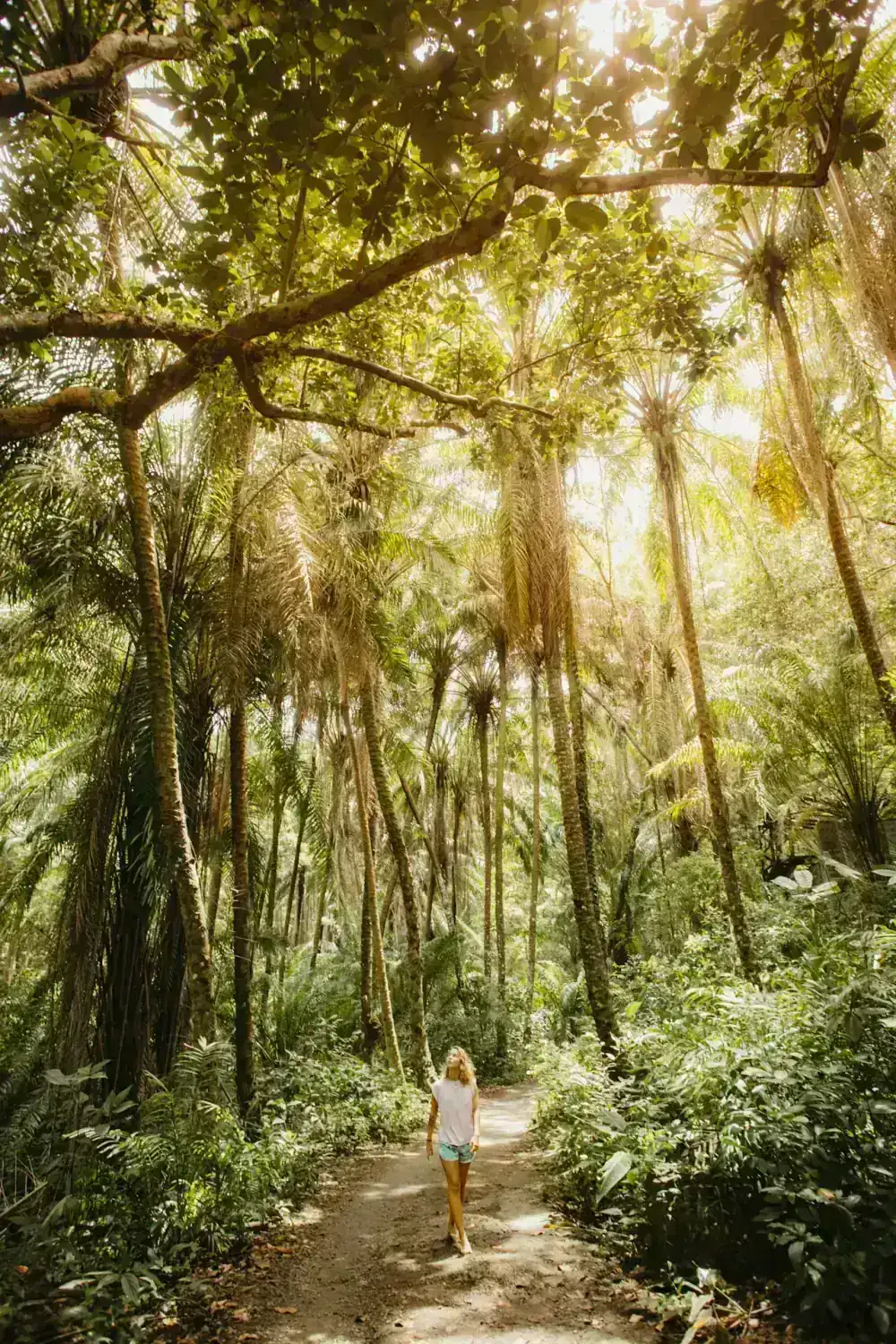
The approach to Nohoch Mul follows jungle paths through dense canopy — howler monkeys are frequently heard overhead, and the atmosphere is fundamentally different from the open plazas of Chichen Itza. For travelers who want to climb a pyramid, Ek Balam's Acropolis (32 metres) remains open and is commonly paired with Chichen Itza on private day tours.
Exploring the Site — Jungle Paths and the Macanxoc Group
Coba's main temple groups are spread across a large area connected by jungle paths. Bicycle rental is available at the entrance for approximately $3–5 USD; tricycle taxis — three-wheeled pedal vehicles operated by local Maya community members — provide guided transport for approximately $8–12 USD for a site circuit. Walking the entire site takes 3–4 hours; bicycle or tricycle cuts this to 1.5–2 hours. Given the heat and distances involved, bicycle or tricycle is strongly recommended over walking alone.
The Macanxoc Group, approximately 2 km from the main entrance on its own jungle path, contains the highest concentration of stelae at Coba — carved limestone monoliths with hieroglyphic inscriptions recording the city's dynastic history. Many stelae are weathered but some retain visible carvings. Wildlife is abundant along the jungle paths: coati, spider monkeys, toucans, and green iguanas are regularly spotted in the early morning hours when visitor numbers are lowest.
Coba vs Chichen Itza — How They Compare
Coba and Chichen Itza are the two most commonly compared Maya ruins in the region and frequently appear together in multi-stop itineraries. The key difference is the experience they offer: Chichen Itza is open, dramatic, and photogenic — a ceremonial plaza site where the architecture is the spectacle. Coba is dense jungle, where the setting is as important as the structures and physical engagement — cycling, wildlife spotting — defines the visit.
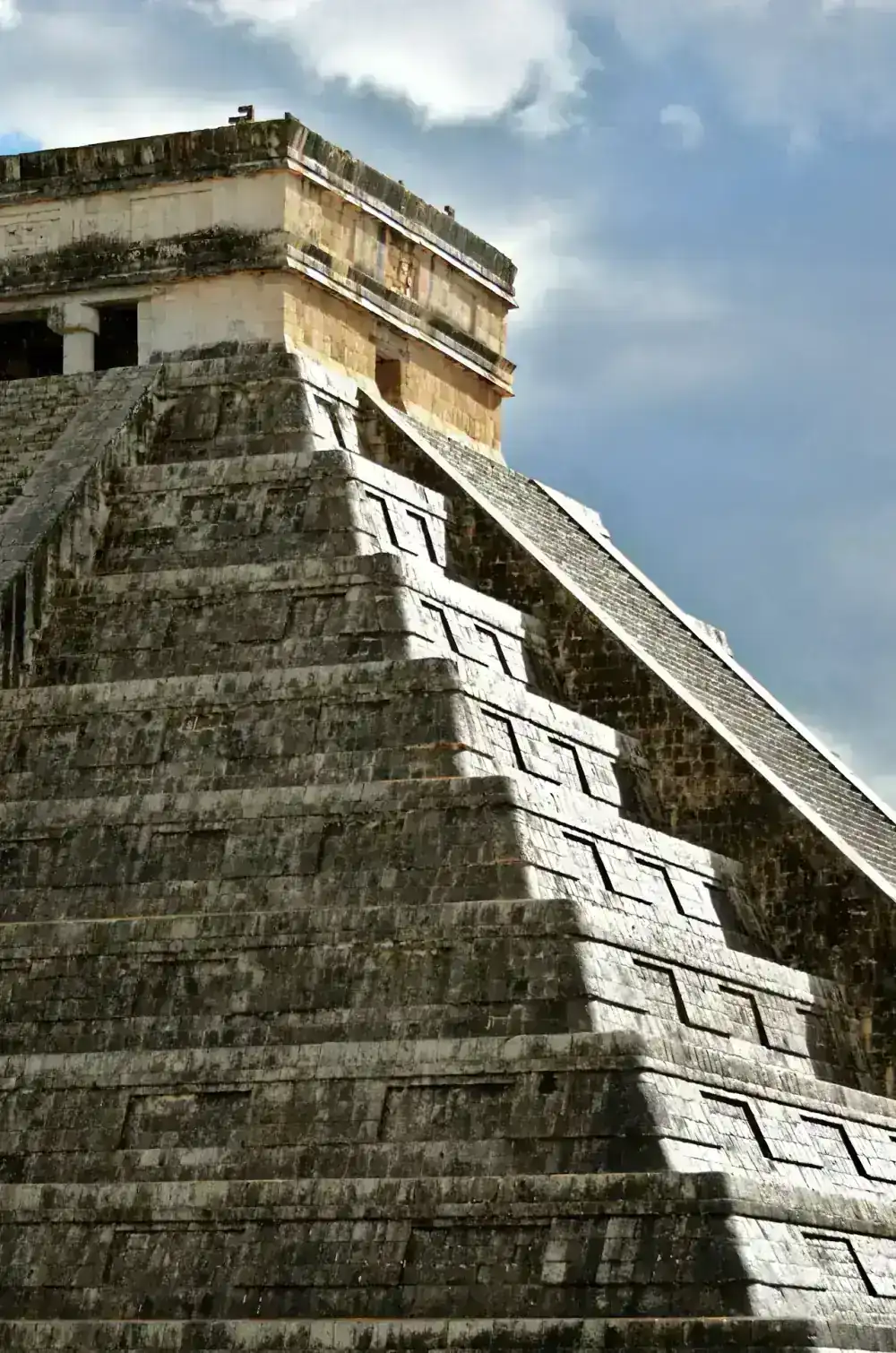
Chichen Itza is a UNESCO World Heritage Site with major international recognition and extensive on-site facilities; Coba is not, but it is arguably more immersive for travellers who want an archaeological experience without tour-bus volume. Chichen Itza's El Castillo remains closed to climbing (banned 2006), while Coba's Nohoch Mul reopened to climbing in December 2025. Coba has fewer vendors and food options inside the site.
Read the full Chichen Itza vs Coba comparison guide to choose the right site for your priorities, or see all available Coba ruins tours from Cancun and Tulum.
Best Time to Visit
Arriving at opening time (8:00 AM) is the single most effective way to improve the Coba experience — cooler temperatures, fewer visitors, and better photography light. Midday from May through September is genuinely punishing; the Nohoch Mul approach has almost no shade and humidity is high.
The dry season from November to April offers the most comfortable conditions overall. Unlike Chichen Itza, Coba rarely feels overcrowded even during peak season — the large jungle site absorbs visitors across a wider area, and the primary crowd concern is heat rather than volume. Weekday mornings are noticeably quieter than weekend days when day-trip groups from Tulum are most concentrated.
How to Get There
Coba is 45 km from Tulum — approximately 45 minutes by car — and 170 km from Cancun (approximately 2.5 hours via Highway 307 south through Tulum). Day trips are available from Cancun, Playa del Carmen, and Tulum. There is no direct public transport to the site entrance; guided tours or a rental car are the practical options.
The site entrance is at the edge of the village of Coba, beside Laguna Coba. Entry fees for foreign visitors: approximately 210 MXN INAH plus 120 MXN ejido community fee (~330 MXN total — confirm at the gate). Bicycle rental and pedicabs (Mayan taxis) are available at the entrance.
Practical Tips for Visiting Coba
- Arrive at 8:00 AM — cooler temperatures and fewer visitors in the first hour. This is the single biggest impact you can make on the quality of your visit.
- Rent a bicycle at the entrance — the site is too spread out to walk efficiently, especially in heat. Bicycle rental costs approximately $3–5 USD and is available right at the gate.
- Bring at least 1.5 litres of water per person — vendors inside the site are limited and prices are high. Most guided tours do not include water stops at Coba itself.
- Wear closed shoes — jungle paths and temple bases are uneven stone and root surfaces.
- Tricycle taxis are operated by local Maya community members — choosing one supports a direct income source for the village and provides a guided circuit at the same time.
- For pyramid climbing — Nohoch Mul reopened in December 2025. Ek Balam offers a quieter climbable Acropolis if you want both on the same Yucatan trip.
Key Takeaways
- Coba is home to Nohoch Mul, the tallest Maya pyramid structure in the Yucatan at 42 metres — climbing reopened in December 2025.
- The site is set in dense jungle and explored by bicycle or tricycle taxi — a fundamentally different experience from the open plazas of Chichen Itza.
- 45 km from Tulum and 170 km from Cancun — the most accessible major ruins from a Tulum base, reachable in under an hour by car.
- Arrive at 8:00 AM for cooler conditions and fewer visitors through the morning.
- Book the Coba ruins tour for guided visits with transport from Cancun or Tulum included.
- Compare all Mayan ruins in the Yucatan to choose the right site for your interests and base.
- Read the Chichen Itza vs Coba comparison guide if deciding between the two sites.
- Nearest overnight base: Tulum — 45 km south.