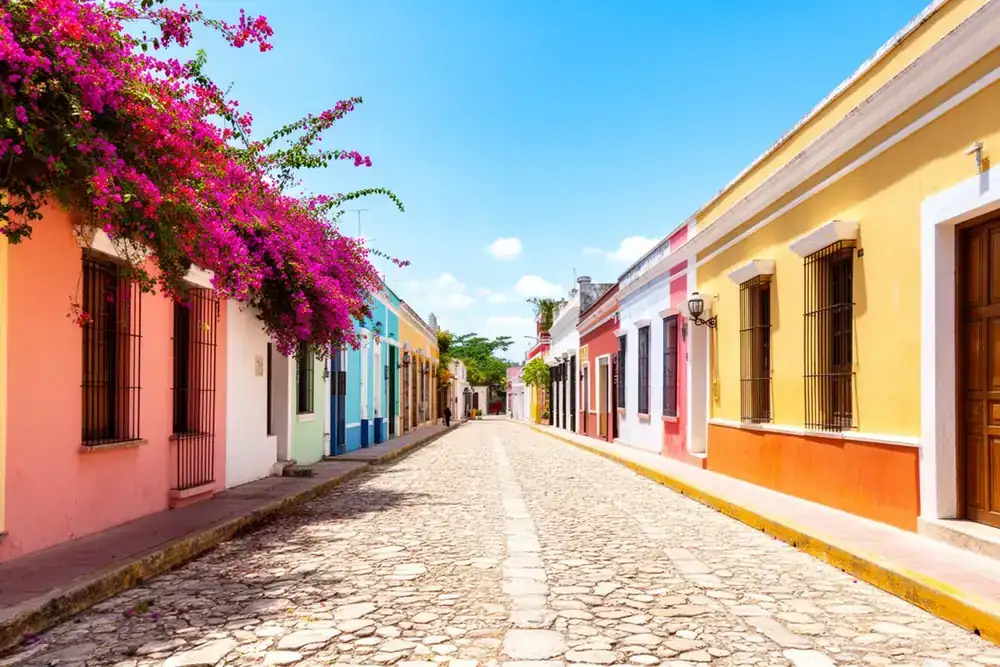
Valladolid Mexico-Complete Travel Guide
Valladolid is a colonial city in eastern Yucatan, founded in 1543 on top of an existing Maya settlement. It sits 45 km east of Chichen Itza and 100 km west of Tulum — which puts it exactly halfway along the main Yucatan archaeological route, and explains why almost every Chichen Itza day tour from the Caribbean coast stops here.
The city is compact, walkable, and genuinely local — not a resort town. Its pastel-colored historic center, 16th-century convent, and cenotes within cycling distance make it worth more than a lunch stop. Most visitors who spend a night discover a different pace from the coast.
Beyond the colonial center, Valladolid also serves as the most convenient base for visiting Ek Balam — the Maya pyramid site 25 km north where climbing is still permitted — and several cenotes including Suytun, Oxman, and the town-center Cenote Zaci. For multi-site ruins planning from this colonial base, see the Mayan ruins hub.
Quick Facts: Valladolid
| Location | Eastern Yucatan state — midpoint between the Caribbean coast and Merida |
| Founded | 1543 — on the Maya settlement of Zací |
| Population | ~80,000 |
| Known for | Colonial architecture, cenotes, proximity to Chichen Itza and Ek Balam |
| Distance to Chichen Itza | ~45 km — approximately 40 minutes by car |
| Distance to Ek Balam | ~25 km north — approximately 25 minutes by car |
| Distance to Cancun | ~160 km — approximately 2 hours by car |
| Distance to Tulum | ~100 km — approximately 1.5 hours by car |
| Distance to Merida | ~160 km — approximately 2 hours by car |
| Best time to visit | November–April (dry season, cooler temperatures) |
What Valladolid Offers Beyond a Lunch Stop
Most travelers encounter Valladolid as a 45-minute stop on a Chichen Itza day trip. The ones who stay longer — even just one night — consistently say it was the best decision of their Yucatan trip. The city has enough to fill a full day without rushing.
- Calzada de los Frailes — a pastel-colored colonial street ending at the 16th-century convent
- Cenote Zaci — an open-air cenote right in the town center, 5 minutes walk from the main plaza
- Cenote Suytun and Cenote Oxman — 10–15 minutes by car
- Ek Balam ruins — 25 km north, the last major climbable pyramid in Mexico
- Yucatecan food at market prices — cochinita pibil, longaniza, and marquesitas unavailable in tourist-facing restaurants at the coast
- Browse all cenotes near Valladolid for the full selection
Explore Calzada de los Frailes
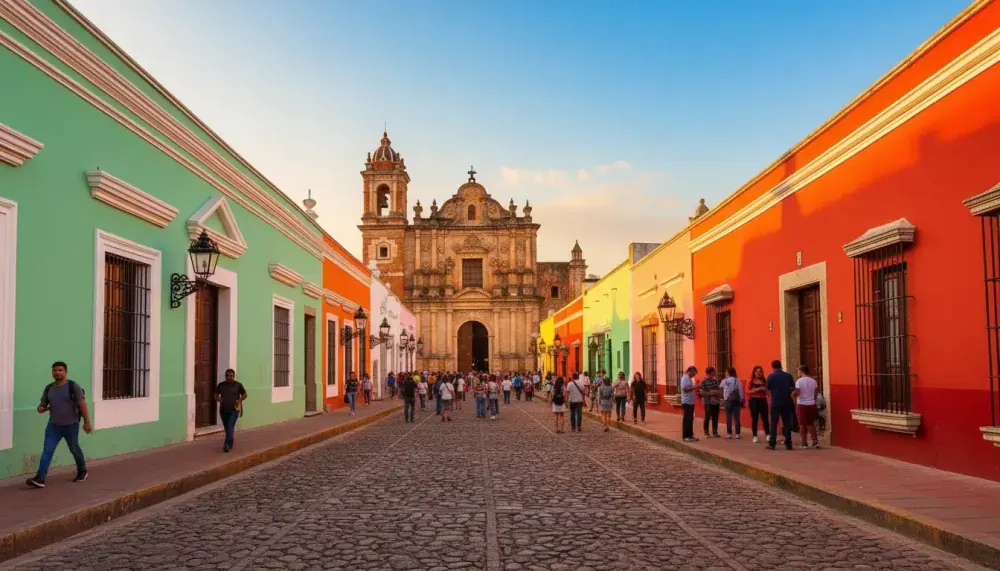
Calzada de los Frailes is one of the most picturesque streets in Valladolid. The road connects the historic center of the city with the famous Convento de San Bernardino de Siena.
The street is lined with pastel-colored colonial houses, boutique shops, small cafés, and art galleries. It is one of the best places to walk, take photographs, and experience the relaxed atmosphere of the town.
Visit Convento de San Bernardino de Siena
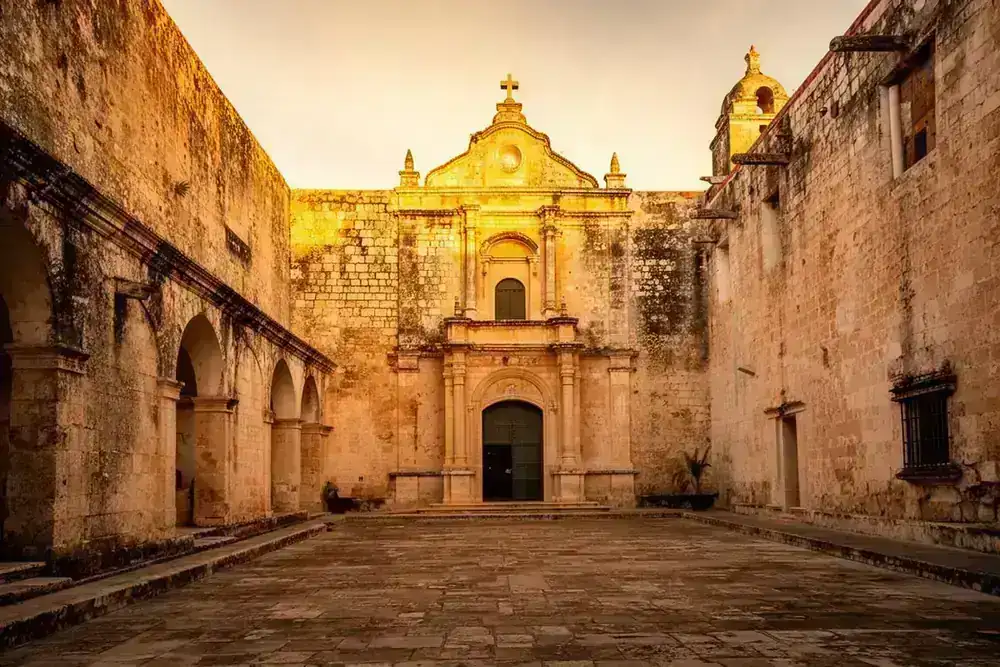
The Convento de San Bernardino is one of the most important historical landmarks in Valladolid.
Built in the 16th century by Franciscan missionaries, the convent served both as a religious center and as a fortress during colonial times. The structure features thick stone walls, courtyards, and historic murals.
Today, visitors can explore the convent grounds and learn about the early history of Spanish colonization in the region.
Walk Around Valladolid's Central Plaza
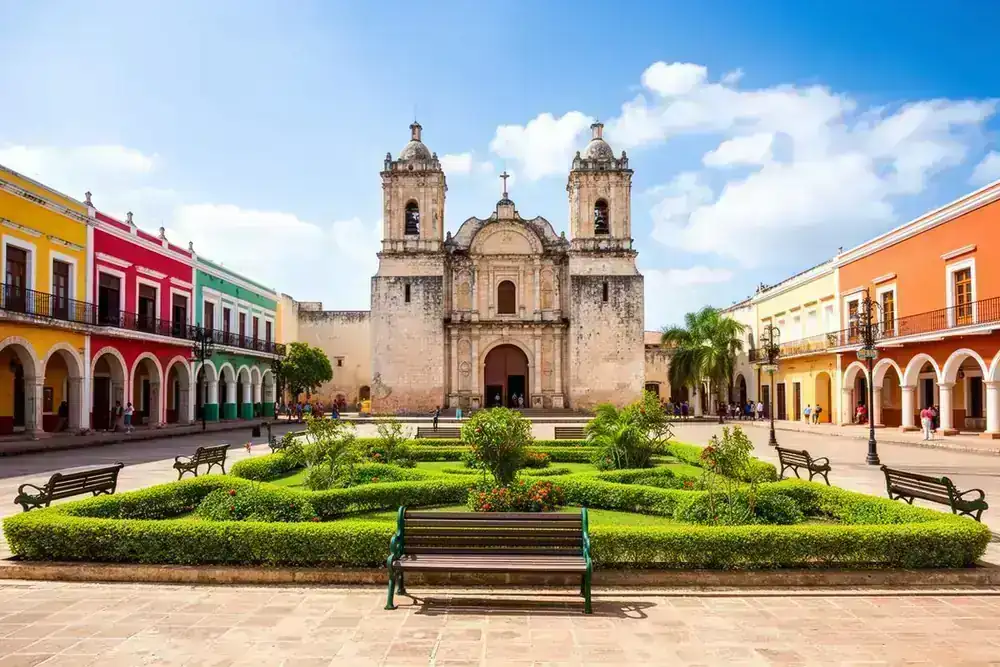
The main square, known as Parque Francisco Cantón Rosado, sits in the heart of Valladolid.
The plaza is surrounded by historic buildings, restaurants, and local shops. It is a popular place for both locals and visitors to relax, especially during the evening when the park fills with street vendors and musicians.
Facing the plaza is the beautiful San Servacio Cathedral, one of the most recognizable landmarks in the city.
Best Cenotes Near Valladolid
One of the biggest attractions near Valladolid is the large number of cenotes located around the city. Cenotes are natural sinkholes filled with fresh groundwater and were considered sacred by the ancient Maya civilization.
Cenote Suytun is one of the most photographed cenotes in Mexico. It features a circular underground cavern with a stone platform in the center, where a beam of sunlight creates a dramatic lighting effect.
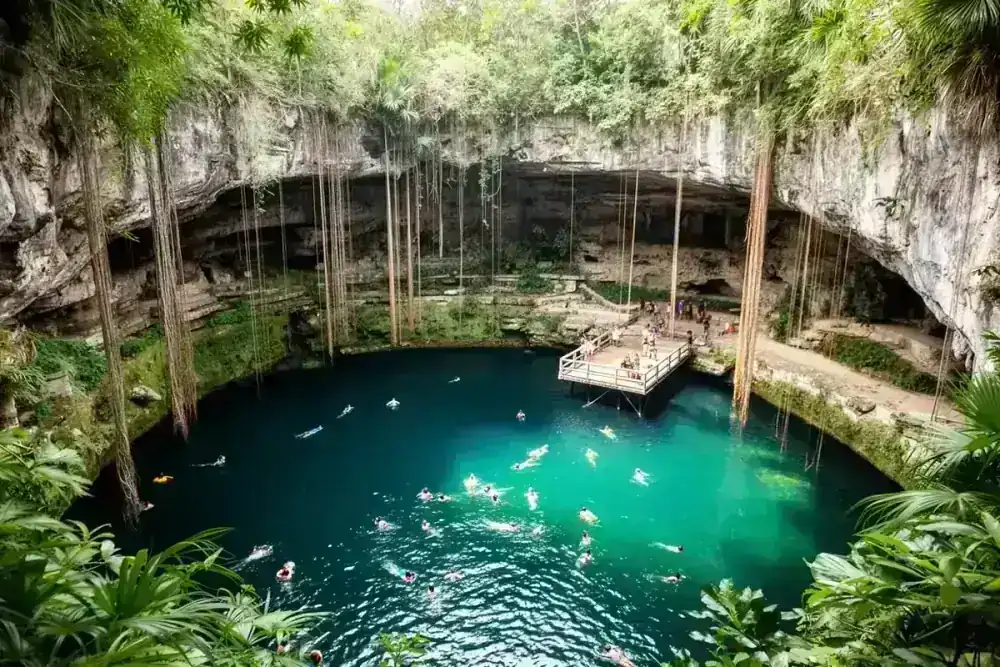
Cenote Oxman is another popular swimming cenote located close to Valladolid. It is known for its lush vegetation, hanging vines, and clear blue water.
Cenote Zaci is unique because it is located directly inside the town of Valladolid, making it one of the most accessible cenotes in the Yucatan region.
Valladolid and Chichen Itza
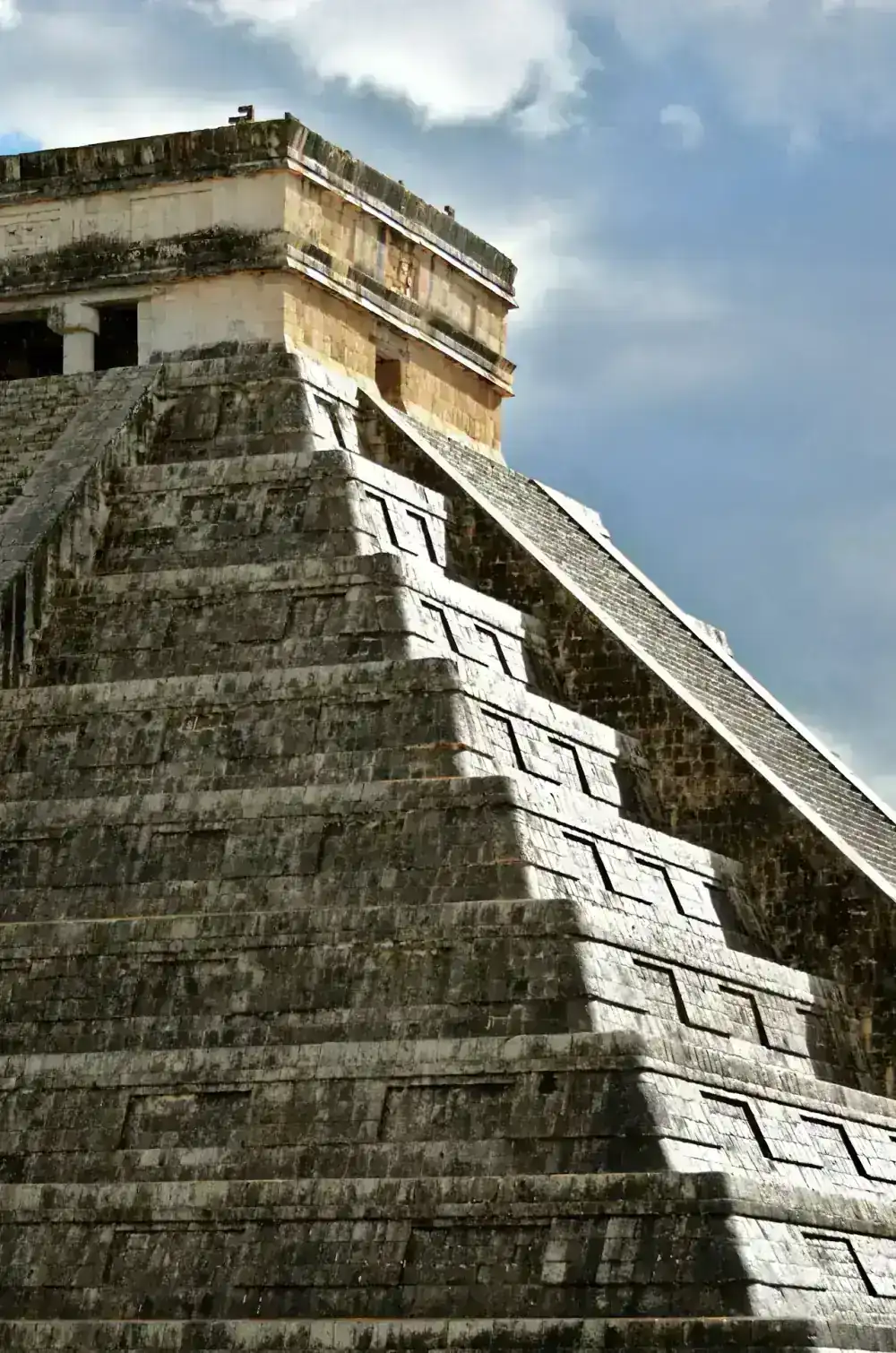
Valladolid is located only about 45 kilometers from Chichen Itza, making it one of the closest cities to the famous Maya archaeological site.
Because of this proximity, Valladolid is frequently included in travel itineraries for visitors exploring the ruins. Many travelers choose to visit Valladolid after exploring Chichen Itza in order to:
- Enjoy lunch in a traditional Yucatecan restaurant
- Explore colonial architecture and the historic center
- Visit nearby cenotes such as Cenote Suytun or Cenote Oxman
Best Time to Visit Valladolid
Valladolid can be visited year-round, but certain seasons offer more comfortable weather. The best time to visit Valladolid is generally between November and April when temperatures are slightly cooler and rainfall is lower.
During the summer months, temperatures in the Yucatan Peninsula can become very hot and humid. However, visiting during the morning or evening can still be very enjoyable. Travelers planning a Chichen Itza day trip should check the best time to visit Chichen Itza guide to coordinate their plans.
How to Get to Valladolid
Valladolid is located in the eastern part of Yucatan state and is accessible from several major tourist destinations in the region. Approximate travel distances include:
- Cancun: ~160 km
- Playa del Carmen: ~150 km
- Tulum: ~100 km
- Chichen Itza: ~45 km
- Merida: ~160 km
Visitors can reach Valladolid by rental car, ADO bus services, or organized guided tours that include transportation.
Why Many Chichen Itza Tours Stop in Valladolid
Many travelers choose guided tours when visiting Chichen Itza because transportation, entrance tickets, and local guides are all arranged in advance. These tours often include a stop in Valladolid for lunch or sightseeing.
A typical day trip might include:
- Visiting the Chichen Itza ruins with a certified guide
- Swimming in a nearby cenote
- Exploring the colonial streets of Valladolid
Nearby Destinations Worth Combining
Chichen Itza
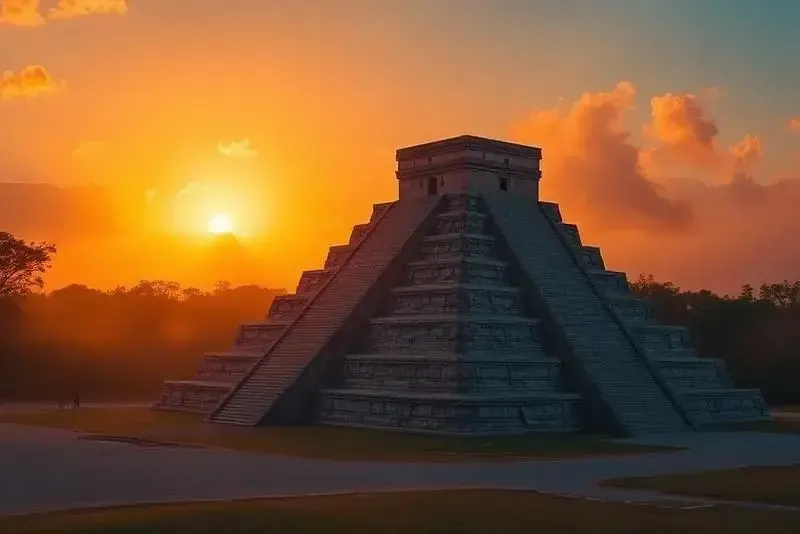
45 km west — the most visited Maya site in Mexico. Almost every Chichen Itza tour from Cancun or Playa passes through Valladolid on the way back.
Ek Balam
25 km north — a compact Maya site where the Acropolis pyramid can still be climbed. Far fewer visitors than Chichen Itza. 25 minutes by car from Valladolid.
Cenote Suytun
10 minutes from town — an underground cenote with a stone platform and dramatic light beam. One of the most photographed cenotes in the Yucatan.
Cenote Oxman
15 minutes from town on a restored hacienda — open-air, with hanging vines and a rope swing. Swimmable year-round at approximately 25°C.
Izamal
85 km west — the Yellow City of Yucatan. A Pueblo Mágico with a massive Franciscan convent built on a Maya pyramid and a historic center painted entirely ochre-yellow.
Planning a Trip to Valladolid and Chichen Itza?
Many travelers combine Valladolid with a guided visit to Chichen Itza. Whether you prefer our Private Chichen Itza Tour or the Private Chichen Itza option at $500 per private group, there are options to fit your itinerary.
Practical Tips for Visiting Valladolid
- It's worth an overnight stay — the city is completely different without the day-trip crowds. Most tour buses leave by 4 PM. After that, the plaza, restaurants, and streets belong to locals and the few travelers who stayed.
- Cenote Zaci is in the town center — entry approximately 80 MXN, 5 minutes walk from the main plaza. Open-air, less famous than Suytun or Oxman, and almost always uncrowded.
- Ek Balam is 25 km north — the last major pyramid in Mexico where climbing is still permitted. 25 minutes by car or taxi (~200 MXN each way). Most day-trippers miss it entirely.
- Eat at the market, not the plaza — Mercado Municipal has the best cochinita pibil and longaniza at local prices. The restaurants facing the main plaza serve adequate food at tourist prices.
- Colectivos to Chichen Itza cost ~30 MXN — shared vans depart from the market area throughout the morning. Slow but cheap if you're on a tight budget and not doing a guided tour.
- Temperature warning: April–June — Valladolid is inland and gets significantly hotter than the coast. 40°C+ is possible in April and May. Plan outdoor activities before 10 AM.
Key Takeaways
- Valladolid is a historic colonial city in the Yucatan Peninsula.
- The city is located about 45 km from Chichen Itza.
- It is known for colorful streets, historic architecture, and nearby cenotes.
- Popular attractions include Calzada de los Frailes and Convento de San Bernardino.
- Cenotes such as Suytun and Oxman are located close to the city.
- Many Chichen Itza tours include a stop in Valladolid for lunch and sightseeing.
Recommended Tours for Valladolid Visitors
Helpful Next Steps for Valladolid
Choose the next step that matches how you want to experience Valladolid, from a private guided tour to nearby stops or the wider area.
Private Chichen Itza Tour
Valladolid is 45 km from Chichen Itza — most private tours include a stop here on the return journey.
View detailsChichen Itza + Cenote Tour
Combines Chichen Itza, a cenote swim, and typically a Valladolid stop — the most popular day trip.
View detailsEk Balam Ruins
25 km north of Valladolid — the last major climbable pyramid in Mexico. Natural pairing with a Valladolid base.
View detailsMulti-Day Yucatan Private Tour
Best fit if Valladolid is part of a slower overnight regional itinerary.
View detailsCenotes Near Chichen Itza
Helpful for travelers pairing Valladolid with cenotes and nearby attractions.
View details