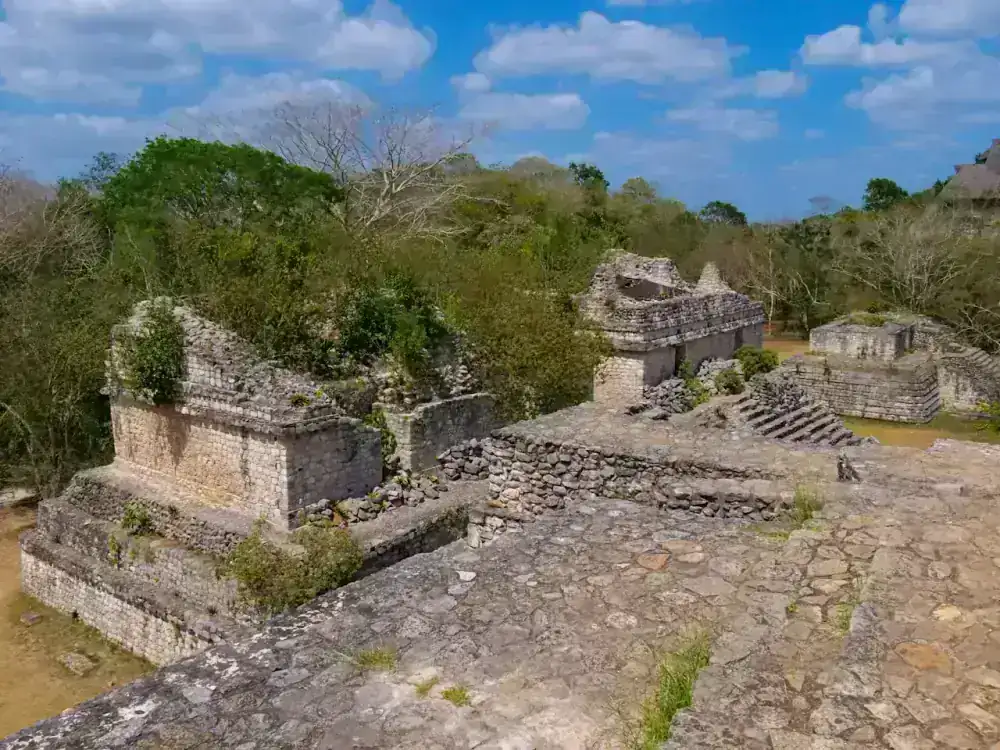
Ek Balam Mayan Archaeological Site in Mexico - Complete Visitor Guide
Ek Balam is an ancient Maya archaeological site located in the northeastern part of the Yucatan Peninsula in Mexico. The name means "Black Jaguar" in the Mayan language, and the city served as a powerful political and ceremonial center during the Classic Maya period, roughly between 300 BC and 1000 AD.
The Ek Balam ruins are located approximately 25 kilometers north of Valladolid, one of the most charming colonial towns in the region. Unlike many other Maya ruins in Yucatan, visitors are currently permitted to climb the main Acropolis at Ek Balam, subject to current site rules and temporary access restrictions, making it one of the most immersive archaeological experiences available in Mexico.
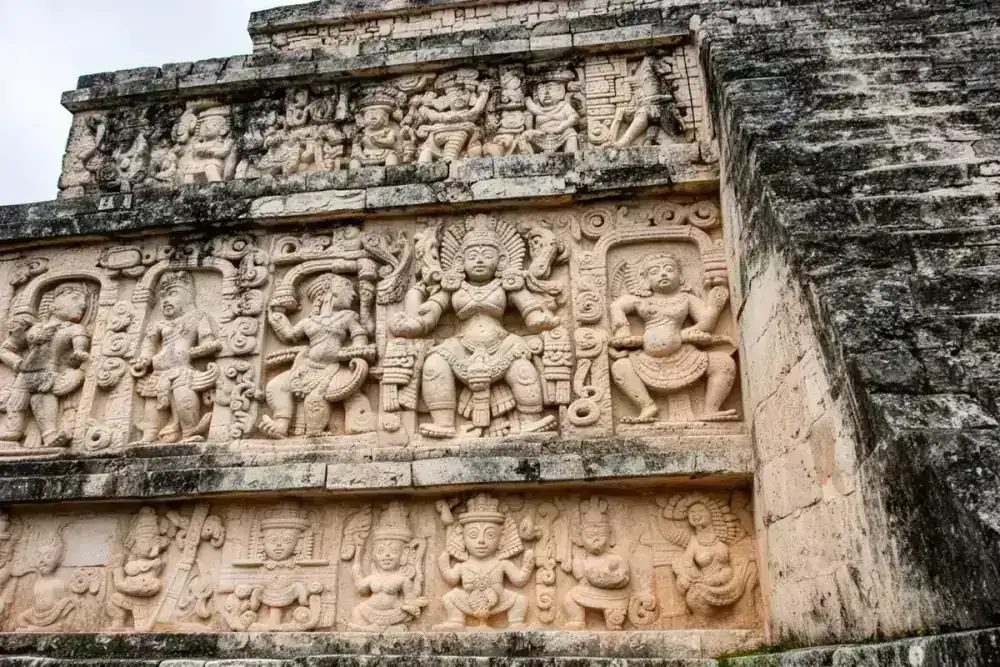
Many travelers visit Ek Balam as part of a broader Yucatan itinerary that includes Chichen Itza, cenotes, and the colonial streets of Valladolid. The site's well-preserved stucco sculptures, jungle setting, and significantly smaller crowds set it apart from the larger, more visited Maya sites in the region. Browse all Maya ruins in the Yucatan to compare options before booking.
Quick Facts: Ek Balam
| Location | Northeastern Yucatan state, Mexico |
| Name meaning | "Black Jaguar" in Yucatec Maya |
| Archaeological period | Classic Maya — approximately 300 BCE to 1000 CE |
| Main structure | The Acropolis — 32 meters tall, climbable |
| Distance from Valladolid | ~25 km north — approximately 25 minutes by car |
| Distance from Chichen Itza | ~60 km — approximately 45 minutes by car |
| Distance from Cancun | ~170 km — approximately 2.5 hours by car |
| Distance from Tulum | ~120 km — approximately 2 hours by car |
| Opening hours | 8 AM – 5 PM daily |
| Best time to visit | November–April; arrive at 8 AM opening |
What Makes Ek Balam Different from Other Maya Sites
Ek Balam is famous for being one of the few Maya ruins in Yucatan where visitors can still climb the main pyramid. The site also stands out for its remarkably preserved artwork and its peaceful jungle surroundings.
- The Acropolis pyramid rises nearly 100 feet and offers panoramic views of the Yucatan jungle
- Well-preserved stucco sculptures and carvings, including the "Entrance to the Underworld"
- One of the few archaeological sites in Mexico where climbing is still permitted
- Significantly fewer crowds compared to Chichen Itza
- Surrounded by dense tropical jungle, creating an immersive atmosphere
Best Things to See at Ek Balam
The Ek Balam archaeological site covers a compact area surrounded by jungle, but its structures are among the most impressive and well-preserved in the Yucatan Peninsula.
Acropolis Pyramid
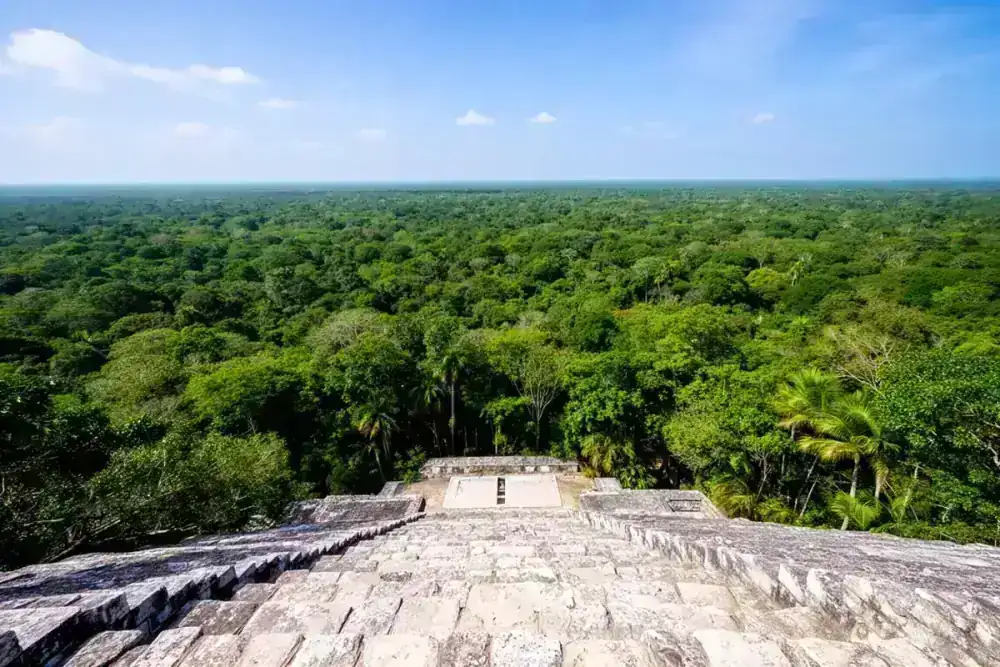
The Acropolis is the tallest and most iconic structure at Ek Balam, rising approximately 30 meters above the jungle floor. When access is permitted under current site conditions, visitors can use the assisted steps to reach the upper levels for sweeping views across the flat Yucatan landscape. Near the top, the famous stucco frieze known as the "Entrance to the Underworld" features intricate carvings of Maya deities and mythological figures. The tomb of the ruler Ukit Kan Le'k Tok' was discovered inside this structure, making it one of the most significant archaeological finds in the region.
Oval Palace
The Oval Palace is one of the oldest buildings at Ek Balam and is architecturally unique among Maya ruins in Yucatan. Its elliptical shape suggests it may have served as an early ceremonial platform or royal residence. The structure provides insight into early Maya building techniques and urban planning.
Stucco Sculptures
Ball Court
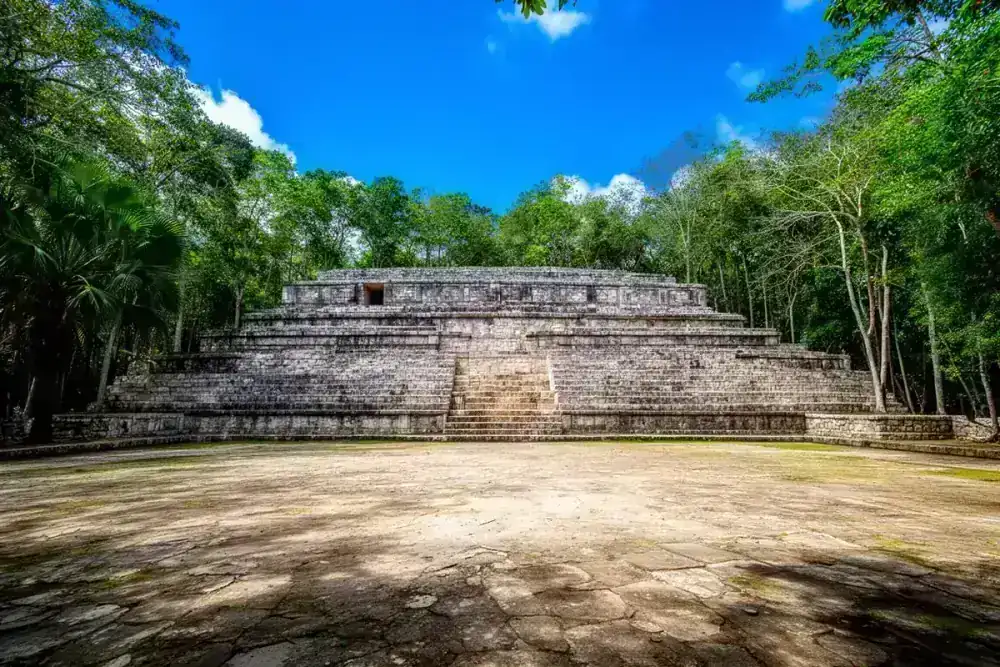
Like many Maya cities, Ek Balam includes a ceremonial ball court where ritual games were played. These games held deep religious and cosmological significance in Maya civilization. The ball court at Ek Balam is smaller than the one at Chichen Itza but remains well preserved and historically important.
Defensive Walls
Ek Balam is unusual among Maya archaeological sites because it was surrounded by a series of defensive walls. These fortifications suggest the city faced military threats and needed physical barriers to protect its population. The walls also indicate the political importance Ek Balam held during the Classic Maya period.
Ek Balam vs Chichen Itza
Both Ek Balam and Chichen Itza are important Maya archaeological sites in the Yucatan Peninsula, but they offer very different visitor experiences.
| Feature | Ek Balam | Chichen Itza |
|---|---|---|
| Crowds | Small, often quiet | Large, especially midday |
| Climb pyramids | Yes — Acropolis is climbable | No — climbing is prohibited |
| Architecture style | Classic Maya with stucco art | Maya-Toltec fusion |
| Visitor experience | Immersive jungle setting | Open plaza, more commercial |
Travelers who want a deeper archaeological experience with the ability to climb ancient structures often find Ek Balam to be a rewarding complement to Chichen Itza. Many itineraries include both sites along with a stop in Valladolid. You can compare both sites side by side using our Mayan Ruins Comparison Tool.
Best Time to Visit Ek Balam
The best time to visit Ek Balam is during the dry season between November and April, when temperatures in the Yucatan Peninsula are slightly cooler and rainfall is minimal.
Arriving early in the morning is strongly recommended. The site opens at 8 AM, and morning visits allow travelers to climb the Acropolis before midday heat sets in. Early arrivals also benefit from smaller crowds and better lighting for photography.
During the summer months (May through October), temperatures can exceed 35°C. Visiting during these months is still possible but requires extra water, sun protection, and a slower pace. For more seasonal guidance, see our best time to visit Chichen Itza guide, which also applies to the broader Yucatan region.
How to Get to Ek Balam
Ek Balam is located in the northeastern part of Yucatan state and is accessible from several major tourist destinations in the peninsula. Approximate distances include:
- Valladolid: ~25 km (about 30 minutes)
- Chichen Itza: ~60 km (about 45 minutes)
- Cancun: ~170 km (about 2.5 hours)
- Tulum: ~120 km (about 2 hours)
Visitors can reach Ek Balam by rental car, by taxi from Valladolid, or as part of an organized guided tour that includes transportation and entrance fees. There is no regular public bus service directly to the site.
Ek Balam and Valladolid
Valladolid is the nearest city to Ek Balam and serves as a natural starting point or complementary stop for visitors exploring the ruins. The colonial town is located just 25 kilometers south and offers colorful streets, historic churches, traditional Yucatecan restaurants, and easy access to cenotes.
Many travelers visit Ek Balam in the morning, then head to Valladolid for lunch and sightseeing, or continue to nearby cenotes such as Cenote Suytun or Cenote Oxman. Browse all cenotes near Valladolid for the full selection. This combination creates a well-rounded day of archaeology, culture, and natural beauty in eastern Yucatan.
Why Travelers Combine Ek Balam with Chichen Itza
Because Ek Balam and Chichen Itza are located within about 60 kilometers of each other, many travelers visit both archaeological sites as part of a single Yucatan itinerary. The two sites complement each other: Chichen Itza offers iconic monumental architecture and world-famous structures, while Ek Balam provides a more intimate, climbable, and less crowded experience.
Guided tours that include both ruins often add stops at cenotes and Valladolid, creating a comprehensive cultural day trip across eastern Yucatan. Travelers who want flexibility and a personalized schedule often choose a private Chichen Itza tour that can be customized to include an Ek Balam visit.
Choose the Right Ek Balam Experience
Many travelers combine Ek Balam with a guided visit to Chichen Itza and a cenote swim. After planning your visit to the ruins, compare the private tour options that match the sites, wildlife experiences, and travel pace you want. Tours depart from Cancun, Playa del Carmen, and Tulum.
Practical Tips for Visiting Ek Balam
- Arrive at 8 AM when the site opens — Ek Balam gets warm fast. The Acropolis climb is significantly more comfortable in the first hour than at 10 AM. You also get the summit to yourself.
- The pyramid climb is assisted with ropes — the steps are steep but manageable for most fitness levels. The ropes are fixed and reliable. Allow 15–20 minutes for the ascent at a steady pace.
- Bring more water than you think — there is minimal shade at the site. Two liters per person for a full visit in the dry season. Water is available at the entrance but at tourist prices.
- Ek Balam + Valladolid is a natural half-day — the site takes 1.5–2 hours with a guide. Valladolid is 25 minutes south. Together they fill a morning without rushing.
- Hire a guide at the entrance — INAH-certified guides are available at the gate. The stucco frieze on the Acropolis tells a specific mythological narrative that makes no sense without context. A guide changes the visit significantly.
- No climbing at Chichen Itza — if pyramid climbing matters to you, Ek Balam's Acropolis remains open and is the quietest climbable option; Coba's Nohoch Mul also reopened to climbing in December 2025. Climbing status can change, so confirm before you go.
Key Takeaways
- Ek Balam is an ancient Maya archaeological site in the Yucatan Peninsula meaning "Black Jaguar."
- The Acropolis pyramid is one of the few climbable ruins in Mexico, offering panoramic jungle views.
- The site features well-preserved stucco sculptures and defensive walls rarely seen at other Maya ruins.
- Ek Balam is located about 25 km from Valladolid and 60 km from Chichen Itza.
- Visitors experience significantly smaller crowds compared to Chichen Itza.
- Many travelers combine Ek Balam with Chichen Itza, Valladolid, and nearby cenotes in a single itinerary.
Recommended Tours for Ek Balam Visitors
Helpful Next Steps for Ek Balam
Choose the next step that matches how you want to experience Ek Balam, from a private guided tour to nearby stops or the wider area.
Ek Balam Tour
The most directly relevant commercial page for visitors focused on Ek Balam itself.
View detailsCompare Mayan Ruins
Compare Ek Balam against Chichen Itza, Tulum, and Coba in one place.
View detailsChichen Itza vs Other Ruins
Compare Ek Balam with other major ruin-site options in the peninsula.
View detailsChichen Itza + Ek Balam Tour
A useful next step if you want both archaeological sites in one broader plan.
View details