Tulum combines Maya archaeology, Caribbean beaches, freshwater cenotes, nature reserves and a lively town base. The strongest activity mix depends on whether you prioritize culture, swimming, wildlife, food, nightlife or regional day trips.
This guide organizes the best things to do in Tulum by activity type and traveler need, including options for couples, families, budget-conscious visitors and rainy days. Detailed ticket, transport, accommodation and seasonal information remains with the relevant specialist guides.
Best Things to Do in Tulum at a Glance
| Activity | Best for | Typical time needed | Detailed guide |
|---|---|---|---|
| Tulum Archaeological Zone | Clifftop Maya history | Allow part of a morning | Tulum ruins visitor guide |
| Cenotes near Tulum | Swimming and cave experiences | One or two stops | Tulum cenote comparison |
| Tulum beaches | Swimming, walking and sunrise | A few hours | Tulum destination overview |
| Sian Ka'an | Reserve landscapes and wildlife | Half or full day | Reserve information |
| Akumal | Responsible wildlife snorkeling | Part of a day | Destination information |
| Coba | Jungle archaeology | Half or full day | Destination information |
| Tulum Pueblo food | Local flavors and market browsing | A meal or evening | See the food section below |
| Day trips from Tulum | Regional variety | Usually a full day | Compare tours from Tulum |
Tulum Ruins: Archaeology Above the Caribbean
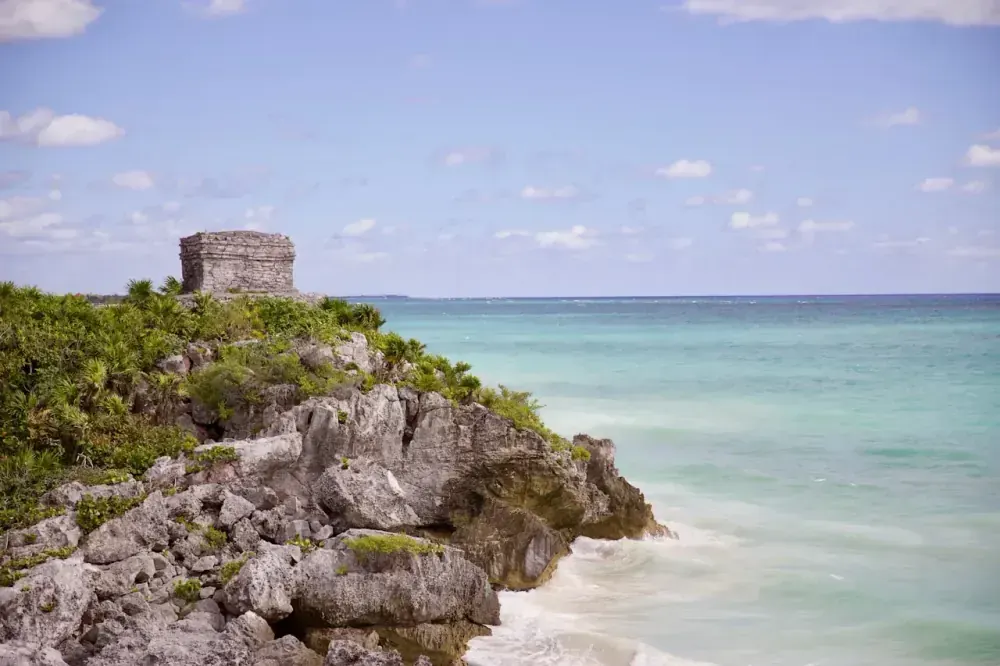
Tulum's walled archaeological zone is distinctive because its Maya buildings stand above the Caribbean. El Castillo dominates the cliff edge, while the Temple of the Frescoes preserves important artistic and ceremonial context. A certified local guide can help connect these structures to Tulum's role as a coastal settlement.
The displayed 2026 unified entrance fee for international visitors is MXN 515, combining the archaeological-zone, conservation and Parque del Jaguar charges. Check the dedicated Tulum ruins guide for the latest fee breakdown, hours and access process.
The private Tulum ruins tour lists Tulum entrance admission among its included services.
Cenotes Near Tulum: Swimming and Cave Experiences
The Yucatan Peninsula's limestone aquifer creates open and cave cenotes around Tulum. Gran Cenote is a family-friendly option with shallower areas; Dos Ojos emphasizes cave chambers and guided underwater experiences; Cenote Calavera offers open water and jump-focused entry points. Conditions and crowds vary, so compare the experience type and choose timing that suits your group.
Use biodegradable sunscreen guidance and follow each site's shower and entry rules to help protect the aquifer. The cenotes near Tulum guide provides the detailed comparison.
Travelers who prefer a guided swimming itinerary can review the Tulum cenote adventure.
Coba Ruins: Jungle Archaeology Near Tulum
Coba is about 45 km northwest of Tulum. Its jungle setting and network of sacbes, or raised Maya roads, create a more dispersed experience than Tulum's compact coastal site. That contrast makes the two archaeological zones useful companions without making them interchangeable.
Admission and on-site transport charges can change; check current Coba visitor information before traveling. Explore the site's context and visit planning through the Coba destination guide.
Tulum Beaches and Outdoor Activities
Tulum's coast supports more than a day in a beach chair. Swimming, shoreline walks, sunrise views and unhurried beach time can all fit around other activities. Sea conditions are often calmer earlier in the day, but always judge the water when you arrive and follow posted guidance.
Public-access options exist where access is available, although arrangements can change. Beach-club policies vary. Cycling between Tulum Pueblo, the ruins area and parts of the coast can be practical for independent travelers, while traffic can be heavy and should factor into the day's pacing.
Sian Ka'an Biosphere Reserve
Sian Ka'an protects tropical forest, mangroves, lagoons and marine environments south of Tulum. It suits visitors interested in ecological context and a slower nature-focused outing rather than a checklist of attractions. Access rules vary by zone, so use authorized routes, follow local instructions and keep wildlife viewing quiet and respectful.
The Sian Ka'an destination guide explains the reserve's character and planning considerations without turning this broad activity guide into an access manual.
Akumal Sea Turtle Snorkeling Near Tulum
Akumal, north of Tulum, is known for seagrass habitat and managed marine activities. It can suit confident swimmers and families who select an experience appropriate to their abilities. Protected areas have access rules: follow the instructions in effect, maintain distance from wildlife and never touch or chase animals.
Review the Akumal destination guide before deciding whether the activity fits your group and schedule.
Unique and Fun Things to Do in Tulum
Tulum's most memorable combinations often come from contrasting two familiar experiences rather than searching for a supposed secret attraction. Cycle between Tulum Pueblo and the ruins area, then slow down for local market browsing. Pair a compact archaeology visit with beach time, or follow a warm morning outdoors with a freshwater cenote swim.
Nature adds another dimension. A reserve outing or responsible wildlife activity feels very different from the town and coast, while sunrise or early-morning beach time can make a simple walk feel special. Travelers with a full day can combine two contrasting experiences, such as jungle archaeology and a cenote, or ruins and the Caribbean, without trying to fit in every category.
The fun comes from choosing a coherent rhythm. Start with the activity most affected by heat or crowds, leave room for food and rest, and keep the second half of the day flexible. This approach works for independent travelers as well as those arranging guided days.
Things to Do in Tulum for Couples
Couples can begin with an early beach walk, visit a cenote when conditions suit swimming, or combine archaeology with a few relaxed hours on the coast. A nature outing offers a quieter counterpoint to town, while sunset or evening dining in Tulum Pueblo keeps the day unhurried.
For a regional outing, select one main destination and allow a slower pace rather than stacking stops. Private planning can provide flexibility, but an independent day built around one shared interest works just as well. Choose your base with the day's priorities in mind; the Tulum accommodation-planning guide compares areas for staying near town, coast and activity routes.
Things to Do in Tulum with Kids
Family activities in Tulum work best when they match children's ages, confidence and energy. A compact ruins visit, a family-suitable cenote with shallower areas, and uncomplicated beach time can each anchor a half day. Wildlife activities may also appeal when everyone can follow the viewing rules.
Start early when possible, plan breaks around heat and avoid treating the day as a race between attractions. Families should assess water entry, exposure and activity demands at each location rather than assume one cenote or beach suits every child. One priority activity plus food and rest usually creates more flexibility than several fixed stops.
Free and Budget-Friendly Things to Do in Tulum
Budget-conscious visitors can walk through Tulum Pueblo, browse a local market and spend time at the beach where public access is available. Cycling can work as independent transport for suitable routes, without requiring a separate paid activity.
A practical budget strategy is to combine free town or coast time with one paid priority, such as archaeology, a cenote or a nature experience. Compare specialist guides before paying for similar stops on separate days; that helps avoid overlapping experiences while preserving room for the activity that matters most. Access arrangements and incidental costs can change, so confirm them before setting a daily budget.
Things to Do in Tulum at Night
Nightlife does not need to mean a packed venue schedule. Dinner in Tulum Pueblo, a relaxed walk through active public areas, or hotel-zone dining can provide an easy finish after a full outdoor day. Live music and cultural programming may be available, but schedules change, so check locally rather than building a trip around an unconfirmed event.
Plan transport and the return journey before a late outing, especially when moving between Pueblo and the coastal area. Keeping the evening close to your accommodation can also leave more energy for an early ruins, beach or nature start.
Things to Do in Tulum When It Rains
Rainy-day plans should stay flexible. Food-focused time and market browsing in Tulum Pueblo can replace an exposed beach block, while a shorter cultural stop may fit if it is operating and conditions allow. Delay outdoor activities during severe weather rather than forcing the original schedule.
Do not assume cenotes are automatically safe or open during storms. Check operating and weather conditions before choosing a swim, ruins visit or nature outing. Moving one outdoor priority to another day and keeping meals or town time flexible is often more useful than searching for an unsupported indoor attraction.
Day Trips From Tulum
Tulum can be a base for several contrasting regional outings. Distances and journey times are approximate and can vary with route and conditions.
| Destination | Distance | Drive time | Best for |
|---|---|---|---|
| Coba | 45 km | About 45 min | Jungle archaeology and sacbes |
| Chichen Itza | 153 km | about 2 hours 3 minutes | Major Maya architecture |
| Bacalar | 145 km | About 1.5 hours | Lagoon landscapes |
| Sian Ka'an | 15 km | About 20 min | Reserve ecology |
| Akumal | 35 km | About 30 min | Managed wildlife snorkeling |
| Isla Mujeres | Via Cancun ferry | About 2.5 hours total | Island and reef activities |
Compare the broader activity inventory before choosing a commercial outing; for the longest archaeology route, use the Tulum to Chichen Itza logistics guide.
Food and Local Experiences in Tulum Pueblo
Tulum Pueblo offers stable categories rather than a list of businesses that can date quickly. Look for seafood, Yucatecan cooking, tacos, market food and casual town dining. Browsing a market also adds local context without requiring a formal food tour.
Hotel-zone dining provides a different coastal setting and is generally more expensive than comparable meals in Tulum Pueblo. Choose between the two based on atmosphere, route and the rest of your day rather than assuming one area suits every meal.
How to Plan Your Tulum Activities
Getting around: Walking and cycling can suit shorter routes, while regional activities require advance transport planning. Traffic can affect coastal journeys. Use the Tulum destination guide for broader orientation.
Best time of day: Put exposed archaeology, cycling or beach walking earlier when that suits current conditions. Leave flexible food or town time for later.
Seasonal planning: Weather patterns influence swimming, wildlife and outdoor comfort. The seasonal Tulum guide owns the month-by-month detail.
Budget and currency: Keep Mexican pesos available for smaller purchases, confirm payment options, and prioritize one paid experience if managing costs.
How many activities to combine: One major activity and one contrasting, nearby experience is a comfortable starting point. Accommodation location also affects pacing; review where to stay in Tulum when planning several early starts.