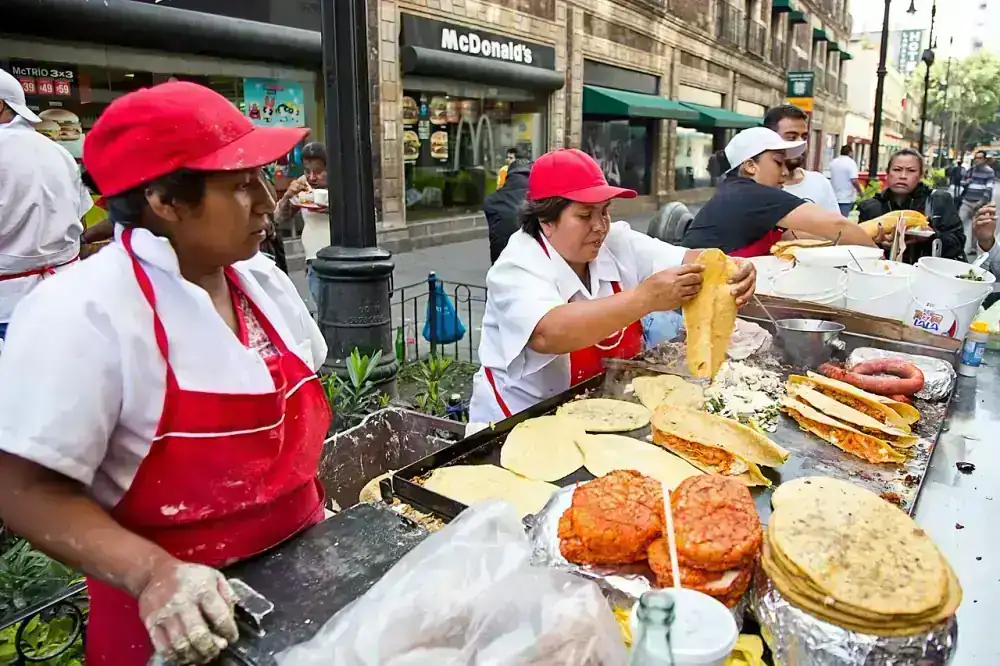
If you are searching for the best food tours in Cancun, start with one simple truth: the city's real food personality is far bigger than resort buffets. You can eat well in the Hotel Zone, but if you want local flavor, local rhythm, and local conversation, you usually need to spend time in downtown neighborhoods.
Downtown Cancun feels completely different from the beach corridor. Streets are busier. Menus are more regional. You will see workers, students, and families grabbing quick meals at taquerias, market counters, and sidewalk snack stands. That contrast is exactly why many travelers use the food experiences guide to decide what style of food outing actually fits their trip.
This guide compares two strong options: a guided street food walk and a hands-on cooking class. They are both valuable, but they deliver very different memories. One gives you movement and variety across the city. The other gives you depth, technique, and dishes you can recreate at home.
Quick answer: book the street food tour for variety and neighborhood context, or book the cooking class for deeper learning and a slower pace. If food is a core trip goal, split them across two days.
What is Yucatecan Food? (It's Different From Regular Mexican Food)
Yucatecan cuisine is a distinct regional tradition, not just a generic version of Mexican restaurant food. It relies on ingredients and flavor patterns that are especially tied to the Yucatan Peninsula. Achiote adds earthy color and depth. Habanero brings bright heat. Sour orange gives marinades and sauces their tangy backbone. Chaya appears in drinks, soups, and home-style cooking.
Signature dishes include cochinita pibil, sopa de lima, panuchos, papadzules, and poc chuc. These are different from what many travelers expect if their reference point is mostly Tex-Mex plates or central Mexican staples. In practical terms, Cancun can introduce you to both worlds. But if your goal is regional identity, look for Yucatecan names on menus and ask about local preparation styles.
Street Food vs Cooking Class — Which Should You Book?
Pick street food first if your schedule is tight and you want to read the city through quick tastings. Energy level is higher. You are on your feet more. Mobility needs are important to consider because the format is usually walking-based. The reward is range: multiple neighborhoods, multiple flavors, and a stronger sense of downtown life in a short window.
Pick a cooking class first if you want a slower and more hands-on memory. Energy level is steadier. Time in one setting is longer. Neighborhood coverage is narrower, but learning depth is much higher because you handle ingredients, prep components, and build dishes step by step with guidance.
Do both if food is a core part of your trip and you can split experiences across different days. The street format gives you tasting variety and social street context. The class gives you technique and confidence. Together, they create two different memories: one about discovery in motion, one about understanding and craft.
Social feel also differs. Street tours are often conversational while moving between stops and are great for travelers who enjoy spontaneous city interaction. Cooking classes create longer conversation in one place, which can feel more personal and collaborative for couples or small groups.
In the end, street food tours and cooking classes create different kinds of food memories, and neither replaces the other. If you want one more practical read before choosing your food stops around the peninsula, this guide to restaurants near Chichen Itza can help you compare another local dining context.