Cancun & Yucatan
Food Experiences & Culinary Tours
Yucatecan cuisine is one of Mexico's most distinctive regional food cultures — cochinita pibil, sopa de lima, papadzules, and habanero-forward salsas. These tours go beyond hotel zone dining. Pair a culinary day with inland ruins or coast trips from the tours from Cancun page.
The best yucatan food tours are not just about eating more plates in one afternoon. They help you understand why food in this region changes so much between inland Yucatan and the Caribbean coast. In one trip, you can move from Mayan-rooted recipes cooked with achiote, citrus, and slow-roast techniques to seafood dishes built around lime, chile, and the day’s catch. If you are choosing between different food experiences, this guide gives you the practical differences so you can pick the right fit for your schedule and travel style.
Yucatecan Cuisine vs Riviera Maya Food: Two Different Worlds
Yucatecan cuisine is land-based and deeply tied to Mayan and Spanish colonial cooking methods. Cochinita pibil is traditionally marinated in achiote and sour orange, then slow-cooked in an underground pit called a píib. Sopa de lima looks simple, but the flavor depends on a clear broth balance and local citrus. Panuchos and poc chuc highlight the same pattern: strong seasoning, smoke or char, and habanero heat used with intent rather than as a gimmick.
Riviera Maya food culture, especially around Cancun and Playa del Carmen, moves in a different direction. You see more ceviches, aguachile, fresh fish tostadas, and seafood tacos that feel lighter and faster, influenced by Caribbean ingredients and Mexican Pacific seafood styles. The textures, acid levels, and spice profile are different from inland Yucatan, so travelers should treat these as two related but distinct culinary traditions.
The practical advantage is that you can access both in the same trip without overcomplicating logistics. Many travelers do a morning cooking session focused on Yucatecan recipes, then add a separate mid-morning street food walk on another day. If you are staying in Cancun or Playa del Carmen, this combination works well because transfer times are short and both formats fit daytime windows.
Which Food Experience Fits Your Trip?
A Cancun cooking class is usually the best choice for travelers who want a hands-on format and practical skills they can repeat at home. Most departures run in a half-day morning block, commonly around 9:00 AM to 1:00 PM, which leaves your afternoon free. It works well for couples, families with mixed ages, and visitors who prefer structure over improvising in unfamiliar neighborhoods.
A Cancun street food tour is better for travelers who enjoy walking through local markets and busy downtown corridors in daylight. The strongest window is typically 10:00 AM to 1:30 PM, when mercados have peak turnover and the best fresh selection. This format suits food-curious travelers, honeymoon couples, and small groups that want local context, but it may be less practical for very young children or guests with strict dietary restrictions.
If you already have a ruins day planned and do not want another guided tour, the guide to restaurants near Chichen Itza is the right resource. It helps you plan lunch expectations around your sightseeing day without turning the entire day into a food activity. This is often the best path for travelers who want quality local meals but prefer flexible timing.
Combining a Food Tour with a Day Tour
Food experiences work best when you schedule them around your main sightseeing days instead of replacing them. A common full-day plan is a morning cooking session from 9:00 AM to 1:00 PM, a short reset, then an afternoon outing from about 2:00 PM to 6:00 PM to explore nearby cenote tours. You keep cultural depth and still get time in the water.
Mid-morning street food tours are easier to place because they finish before afternoon sightseeing. You can do a 10:00 AM to 1:30 PM food walk, rest at the hotel, then still fit a shorter afternoon outing such as a nearby cenote tour. Travelers following multi-day itineraries often keep food mornings separate from full Chichen Itza tours on another day to avoid rushing either experience.
This approach is useful for visitors who want cultural context beyond landmarks, but still prioritize major sites. Food becomes part of how you interpret the region rather than a side activity squeezed into leftover time.
The most memorable trips here usually combine place and flavor: ruins, cenotes, and meals that reflect where you are standing that day. If you want a clear starting point, begin with the Cancun cooking class and build the rest of your week around it.
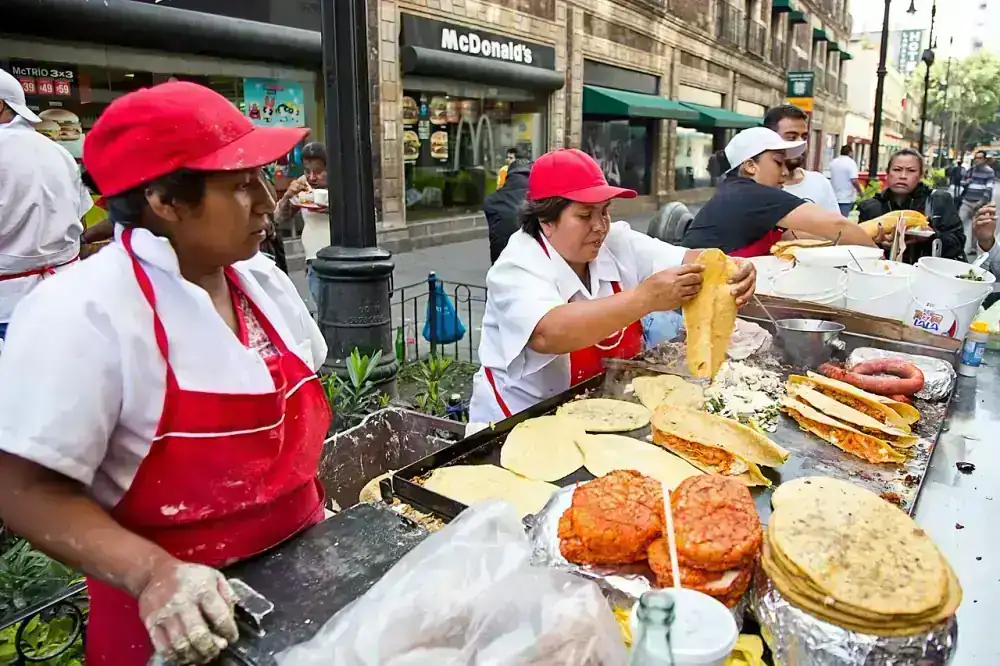
Cancun Street Food Tour
Downtown Cancun · 3–4 hours
Skip the hotel zone restaurants. Private guided walk through downtown Cancun taquerías, local markets, and street stalls — cochinita pibil, panuchos, sopa de lima, and marquesitas with a bilingual food guide.
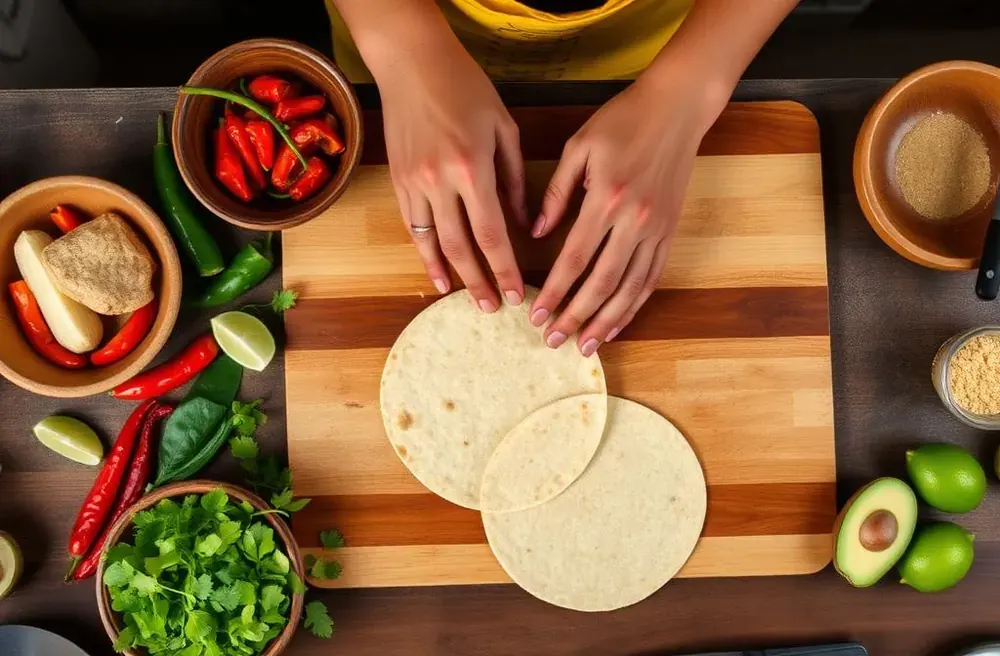
Yucatecan Cooking Class
Cancun · 4–5 hours
Visit a local market, buy fresh ingredients, and cook Yucatecan dishes with a professional chef — cochinita pibil, sopa de lima, papadzules, and fresh salsas. Small group, hands-on.
Restaurants Near Chichen Itza
Looking for where to eat during your Chichen Itza day trip? Our guide covers on-site restaurants, Pisté village, and Valladolid dining options.
Plan Your Food Experience
Message us on WhatsApp to get a fast, personalized quote — no commitment required.