Merida, Yucatan: Colonial City, Cuisine & Gateway to Chichen Itza
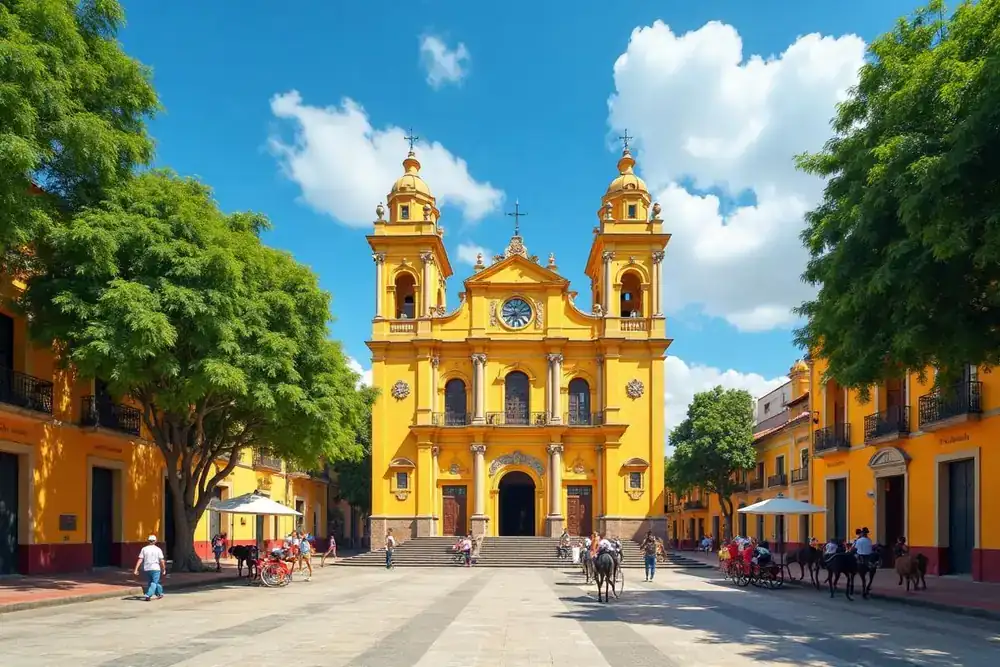
Merida is the capital of Mexico's Yucatan state and the cultural heart of the Yucatan Peninsula. Founded in 1542 on the site of the ancient Maya city of T'hó, the city blends Spanish colonial architecture with deep-rooted Maya heritage, making it one of the most culturally rich destinations in southeastern Mexico.
Known as "La Ciudad Blanca" (The White City) for its pale limestone buildings, Merida has grand plazas, excellent museums, some of Mexico's most distinctive regional food, and a nightly cultural calendar that runs year-round. It is also the closest major city to Chichen Itza, making it a strategic base for travelers exploring the archaeological and natural wonders of inland Yucatan.
Unlike the Caribbean resort cities along the coast, Merida offers a distinctly Mexican urban experience—colonial streetscapes, nightly cultural events, and a lively food scene rooted in Yucatecan tradition. For travelers seeking authenticity alongside easy access to ruins, cenotes, and haciendas, start with the Mayan ruins hub to compare inland sites from a Merida base.
Quick Facts: Merida
| Location | Yucatan State capital, northwestern Yucatan Peninsula |
| Founded | 1542 — built on the ancient Maya city of T'hó |
| Population | ~1.2 million (metro area) |
| Airport | Merida International Airport (MID) |
| Known for | Colonial architecture, Yucatecan cuisine, Maya heritage, cultural events |
| Average temperature | 25–36°C (77–97°F) — hottest April–June |
| Distance to Chichen Itza | ~120 km — about 1 hour 30 minutes by car (closest major city) |
| Distance to Cancun | ~320 km — 3.5 hours by car |
| Time zone | Central Standard Time (CST) |
| Best time to visit | November–April (dry season) |
What Merida Offers That the Coast Doesn't
Merida stands out among Yucatan destinations for its cultural depth. While resort cities offer beaches and nightlife, Merida delivers a living connection to Mexico's colonial and pre-Hispanic past—combined with a modern culinary and arts scene that has earned international recognition.
- Capital of Yucatan and the peninsula's largest city
- Closest major city to Chichen Itza — only about 1 hour 30 minutes by road
- UNESCO-recognized Yucatecan gastronomy and cultural events
- Grand colonial architecture along Paseo de Montejo and Plaza Grande
- Gateway to haciendas, cenotes, and the Puuc archaeological route
- Named American Capital of Culture (2000) and repeatedly recognized as one of the safest cities in Mexico
Overview of Merida
Merida is located in the northwestern part of the Yucatan Peninsula, approximately 35 kilometers inland from the Gulf of Mexico coast. As the capital of Yucatan state, it serves as the political, economic, and cultural center of the region—a role it has held for nearly five centuries.
The city's historic center is compact and walkable, organized around the central Plaza Grande. From there, the tree-lined Paseo de Montejo extends northward, flanked by grand mansions built during the henequen boom of the late 19th and early 20th centuries. Beyond the historic core, modern Merida spreads outward with shopping centers, universities, and residential neighborhoods.
For travelers exploring the Yucatan, Merida occupies a strategic position. Merida is the closest major city to Chichen Itza, sits at the doorstep of the Puuc Route (Uxmal, Kabah, Sayil), and provides access to Gulf Coast fishing villages, colonial haciendas, and dozens of cenotes. For the Homun and Cuzama Ring of Cenotes southeast of town, see our guide to cenotes near Merida.
History and Cultural Identity of Merida
Long before the Spanish arrived, the area where Merida now stands was home to T'hó, a major Maya settlement with pyramids and ceremonial platforms. When Francisco de Montejo the Younger conquered the region in 1542, the Spanish dismantled the Maya structures and used the stone to build their colonial city—including the Cathedral of San Ildefonso, one of the oldest cathedrals on the American mainland.
During the colonial period, Merida became the administrative center of the Yucatan. The city's architecture from this era—churches, convents, plazas, and government buildings—remains largely intact in the historic center. The blend of European and indigenous styles gives the streetscape a character distinct from other Mexican colonial cities.
In the late 1800s, the henequen (sisal) industry brought enormous wealth to the region. Yucatecan landowners built opulent mansions along Paseo de Montejo, modeled after the Champs-Élysées in Paris. Many of these buildings now house museums, restaurants, and boutique hotels.
Today, Merida's identity is defined by its dual heritage. Maya language and traditions remain alive in surrounding communities, while the colonial cityscape hosts a year-round calendar of cultural events—from weekly street festivals to international art exhibitions. This fusion of ancient and colonial makes Merida unlike any other city on the peninsula.
What to See and Do in Merida
Merida rewards slow exploration. The city's cultural calendar, culinary scene, and walkable center make it a destination where you can spend several days without running out of things to discover.
Plaza Grande and the Historic Center
The heart of Merida is Plaza Grande (Plaza de la Independencia), surrounded by the Cathedral of San Ildefonso, the Government Palace with its sweeping murals by Fernando Castro Pacheco, and the Casa de Montejo. On Sunday mornings, surrounding streets close to traffic for a lively market and cultural gathering.
Paseo de Montejo
This grand boulevard is lined with mansions from the henequen era, many now converted to museums and restaurants. The Palacio Cantón houses the Regional Museum of Anthropology, which provides valuable context for visitors planning to explore Maya ruins. Weekend evenings often feature live music and cultural events along the avenue.
Museums and Local Culture
The Gran Museo del Mundo Maya offers an excellent modern introduction to Maya civilization with interactive exhibits. Smaller museums like the Museo de Arte Contemporáneo (MACAY) and the Museo de la Ciudad cover colonial history and contemporary Yucatecan art. Merida also hosts free nightly cultural events in various plazas—dance, music, and theater performances are part of daily city life.
Markets and Yucatecan Food
Merida's Mercado Lucas de Gálvez is the main public market—a sprawling complex where locals shop for produce, spices, clothing, and handcrafts. For food, seek out cochinita pibil (slow-roasted pork), papadzules (egg-filled tortillas in pumpkin-seed sauce), sopa de lima, and panuchos. Yucatecan cuisine is recognized as one of Mexico's most distinctive regional food traditions.
Haciendas and Nearby Cultural Sites
The countryside around Merida is dotted with restored henequen haciendas, many offering tours, dining, or overnight stays. South of the city, the Puuc Route ruins (Uxmal, Kabah, Sayil) make popular day trips; see the Merida day trips guide for distances, drive times, and what to see at each.
Merida as a Gateway to Chichen Itza and Inland Yucatan
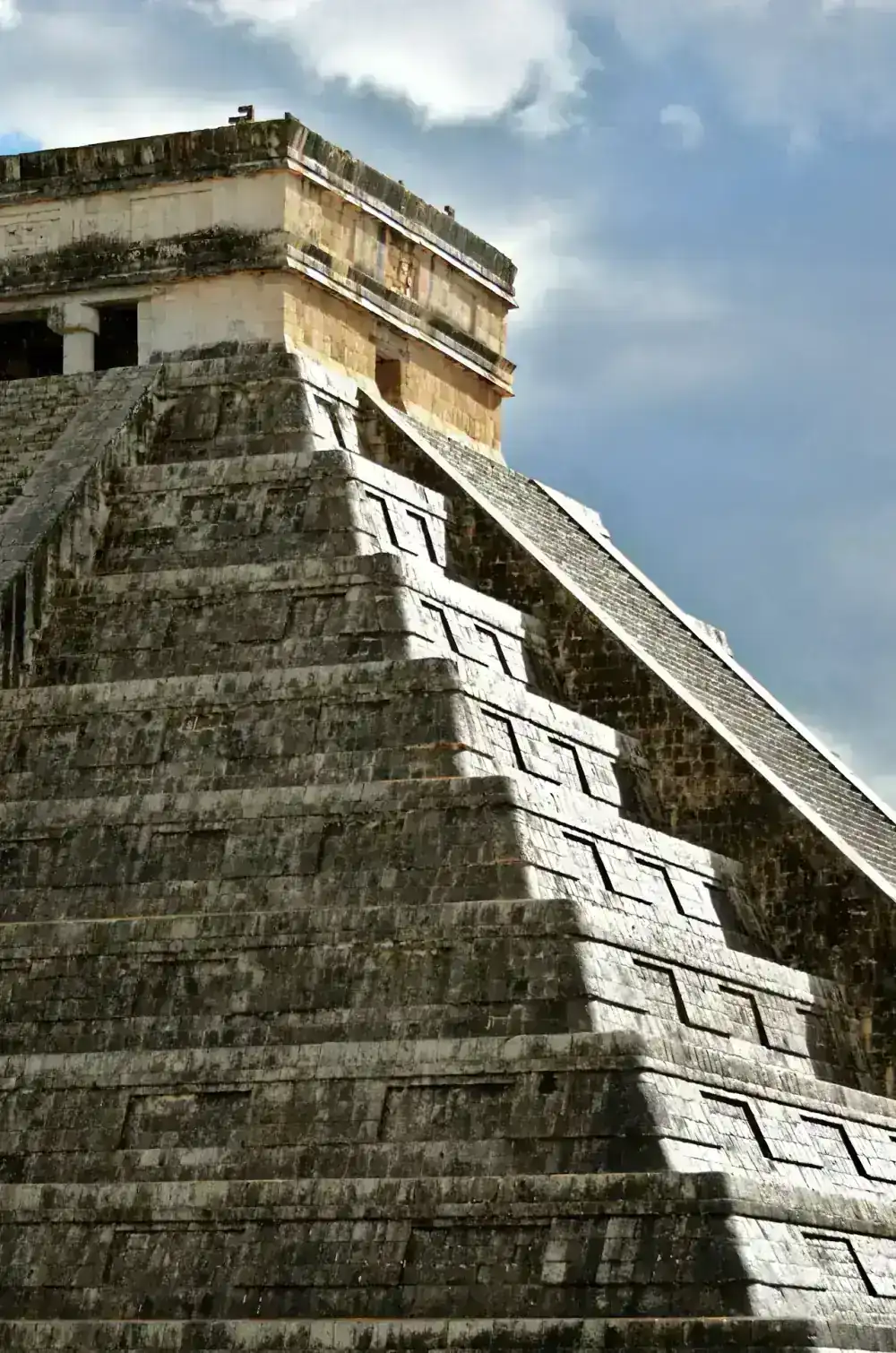
Chichen Itza is approximately 120 kilometers (75 miles) east of Merida. The drive takes about 1 hour 30 minutes via Highway 180D, making Merida the closest major city to the archaeological site—significantly closer than Cancun (about 2 hours 18 minutes) or Tulum (about 2 hours 3 minutes).
This proximity makes Merida the only departure city where a half-day visit to Chichen Itza is practical. Travelers can depart around 6:30 AM and return by early afternoon. Browse tours from Merida for departure-specific options including half-day tours.
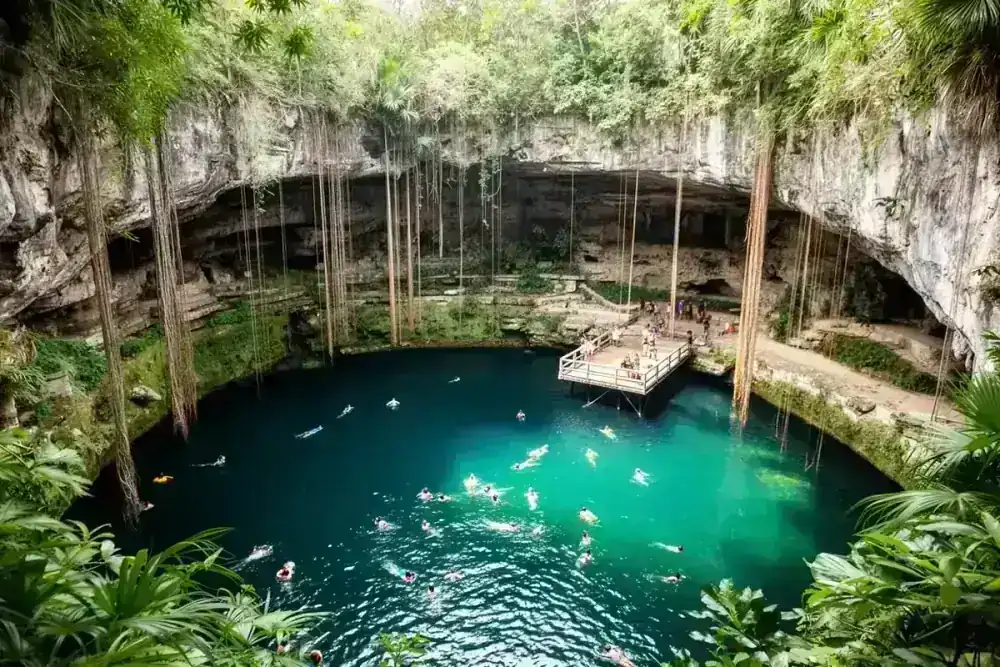
Beyond Chichen Itza, Merida also provides convenient access to the colonial town of Valladolid, the Ek Balam archaeological site, and cenotes such as Cenote Ik Kil and Cenote Suytun. Combining Merida with the Yucatan interior gives travelers a well-rounded itinerary that includes culture, history, archaeology, and nature.
Best Time to Visit Merida
Merida has a hot tropical climate with a distinct dry season and wet season. Because the city is inland—about 35 km from the coast—temperatures tend to run higher than in Cancun or Playa del Carmen, especially from April through August.
Dry season (November–April): The most comfortable months for visiting. Daytime highs range from 28–33 °C (82–91 °F) with low humidity and virtually no rain. December through March is peak season, and popular tours to Chichen Itza should be booked in advance.
Hot months (April–June): Temperatures can exceed 38 °C (100 °F) with high humidity. If visiting during this period, plan outdoor activities for early morning and stay hydrated. The midday heat can be intense.
Rainy season (June–October): Afternoon thunderstorms are common but typically short. Mornings are often clear, making early-morning excursions to Chichen Itza perfectly viable. Hotel prices are lower, and both the city and the ruins are less crowded.
Practical Tips for Visiting Merida
- Stay in Centro (historic center) — walkable to the main plaza, markets, restaurants, and museums. The Hotel Zone equivalent doesn't exist here; location matters more than in resort cities.
- Carry pesos — Mercado Lucas de Gálvez, street food stalls, and many small restaurants are cash-only. USD is accepted in some Hotel Zone shops but at poor rates.
- Dress for the heat — Merida is one of the hottest cities in Mexico. Light, breathable clothing is essential April through August. Temperatures regularly exceed 38°C at midday.
- Check the nightly cultural calendar — free events happen in different plazas every night of the week: Serenata Yucateca on Sundays, Trova on Mondays, regional dance on Tuesdays. These are not tourist performances — they are part of daily city life.
- Eat the regional food seriously — cochinita pibil (slow-roasted pork in banana leaf), papadzules (egg-filled tortillas in pumpkin-seed sauce), sopa de lima, marquesitas. Yucatecan cuisine is unlike anything else in Mexico.
- ADO buses for intercity travel — comfortable, air-conditioned, direct service to Cancun (4 hours), Valladolid (2 hours), and Campeche (2.5 hours). Buy tickets at the terminal or online.
- Chichen Itza: depart by 6:30 AM. The drive is about 1 hour 30 minutes each way, and arriving before 9 AM puts you ahead of the main crowd window.
- One-way streets in Centro — most historic center streets are one-way and not intuitively laid out. GPS is essential if driving. Parking is limited near the main plaza.
Nearby Destinations Worth Visiting
Merida sits at the crossroads of the Yucatan interior, making it easy to combine a city stay with visits to archaeological sites, cenotes, and colonial towns. For day-trip distances, drive times, and what to see at each stop, see the Merida day trips guide.
Chichen Itza
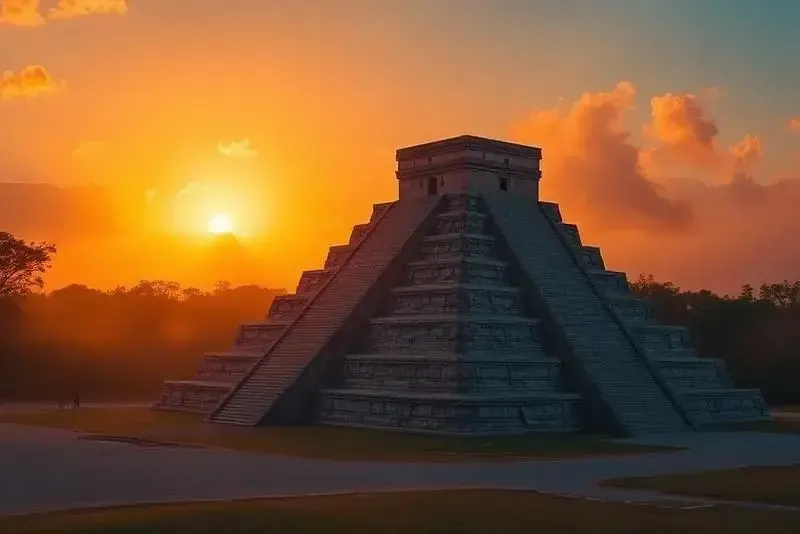
One of the New Seven Wonders of the World and the Yucatan's most famous archaeological site. Just about 1 hour 30 minutes east of Merida—the shortest drive from any major city.
Valladolid
A colorful colonial town between Merida and the Caribbean coast, known for Yucatecan cuisine, cenotes, and a slower pace of life.
Ek Balam
A smaller Maya site where visitors can still climb the Acropolis pyramid for sweeping jungle views. About 2 hours from Merida via Valladolid.
Cenote Ik Kil
One of Mexico's most iconic swimming cenotes, located just 3 km from the Chichen Itza entrance—often combined in a single day trip.
Cenote Oxman
An open-air cenote set on a historic hacienda near Valladolid, known for its hanging vines and rope swing.
Progreso
The closest beach to Merida and an easy half-day trip on the Gulf coast.
Uxmal
A major Puuc-style Maya site and one of the most popular day trips south of Merida.
Izamal
The Yellow City, a Pueblo Mágico and a popular cultural day trip east of Merida.
Chichen Itza Tours from Merida
Thanks to the short drive (about 1 hour 30 minutes), Merida is the most convenient departure point for visiting Chichen Itza. Guided tours typically include hotel pickup, transportation, entrance fees, a certified guide, and optional stops at cenotes or Valladolid.
Key Takeaways
- Merida is the capital of Yucatan state and the cultural heart of the Yucatan Peninsula.
- Founded in 1542 on the ancient Maya city of T'hó, the city blends colonial architecture with Maya heritage.
- At only 120 km away, Merida is the closest major city to Chichen Itza—about 1 hour 30 minutes by road.
- The city is known for its cuisine (cochinita pibil, papadzules), museums, and nightly cultural events.
- Dry season (November–April) offers the best weather; April–June can be extremely hot.
- Merida is a practical base for exploring Uxmal, Valladolid, cenotes, and the wider Yucatan interior.
Merida to Chichen Itza: Route Map
See the journey from Merida to the archaeological site
Loading map…
Recommended Tours for Merida Visitors
Helpful Next Steps for Merida
Choose the next step that matches how you want to experience Merida, from a private guided tour to nearby stops or the wider area.
Tours From Merida
Departure-specific Chichen Itza options for travelers based in Merida — including half-day tours only possible from this city.
View detailsPrivate Chichen Itza Tour
The most flexible option from Merida — private vehicle, certified guide, no fixed group schedule.
View detailsUxmal Ruins
80 km south of Merida — the finest Puuc Maya architecture in the Yucatan. Fewer crowds than Chichen Itza.
View details